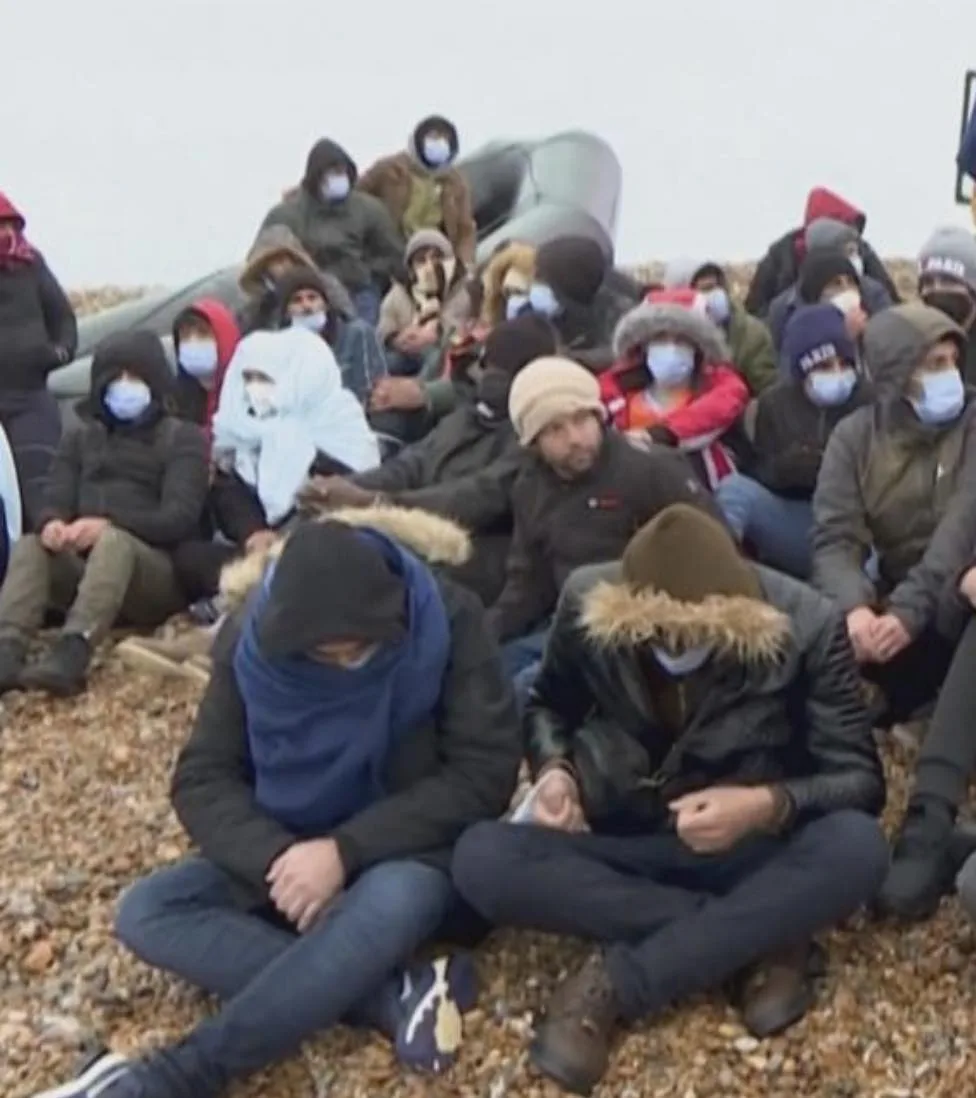
Prime Minister Andy Burnham has refused to set a deadline for ending small boat crossings of the English Channel, while arguing that Brexit has made cooperation with neighbouring European countries more difficult.
Burnham said the Government’s goal remained to reduce crossings to zero but would not make a promise about when that could be achieved.
His comments came after the number of people arriving in the UK by small boat since Labour took office reportedly passed 83,000.
Burnham pointed to what he described as the loss of cooperation with neighbouring countries following Britain’s departure from the European Union.
He said: “I do point to the loss of collaboration with neighbours that came with Brexit. That hasn’t helped.”
Burnham said Britain previously had a more cooperative system with European neighbours and no longer had the same level of collaboration.
However, he insisted Brexit would not be used as a reason to abandon efforts to tackle the crossings.
He said the Government’s objective was to reach a point where there were no crossings but added: “I’m not going to give you a date by which we can do that, or a promise that we will do it.”
Burnham said both he and Home Secretary Shabana Mahmood would continue targeting the criminal networks responsible for facilitating Channel crossings.
The Government has recently expanded cooperation with France. Earlier this month, Downing Street said nearly 1,050 French officers were involved in efforts to tackle small boat crossings, alongside new specialist teams targeting launches and people-smuggling networks.
Home Office provisional figures show 781 people arrived in 10 small boats on September 23, following 154 arrivals the previous day and 150 on September 21. The figures remain provisional and can subsequently be revised.
Burnham’s comments drew criticism from political opponents.
Reform UK leader Nigel Farage disputed the Prime Minister’s argument over Brexit, saying previous European arrangements resulted in the UK receiving more people than it returned.
Shadow Home Secretary Chris Philp also rejected Burnham’s assessment, arguing that participation in the EU’s Dublin arrangements had not resulted in significant numbers of people being returned from Britain.
Both Reform UK and the Conservatives have advocated leaving the European Convention on Human Rights as part of their approaches to illegal migration, while the Government has instead emphasised cooperation with European partners and action against organised people-smuggling networks.
Burnham became Prime Minister in July after returning to Parliament and being elected Labour leader.
The Government says recent cooperation with France has contributed to lower crossing numbers over the summer, but Burnham has made clear he will not set a date by which Channel crossings will end.