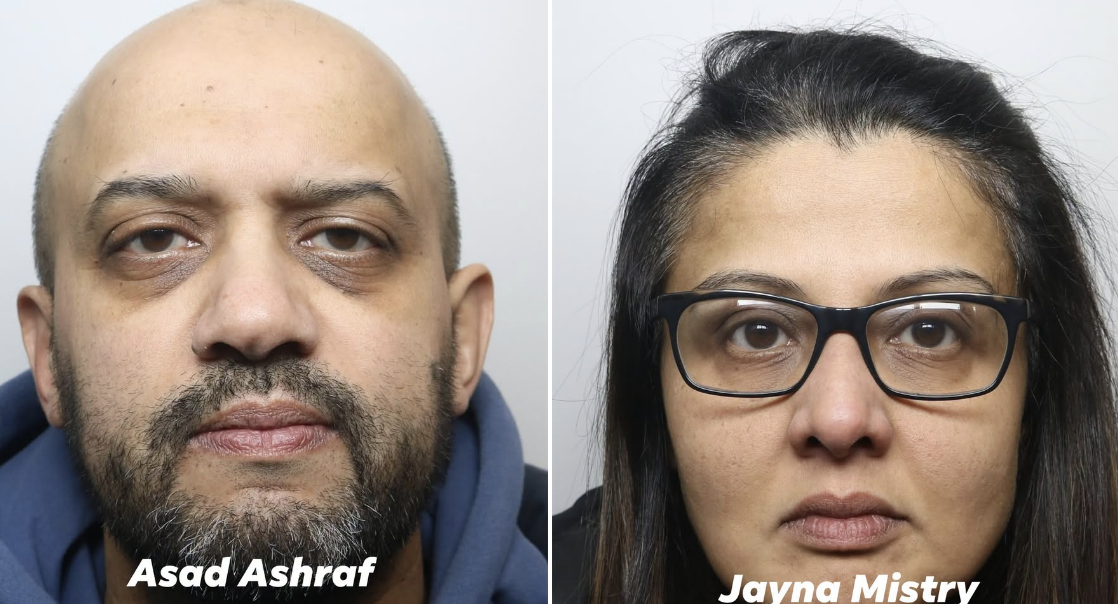


The Government has announced a major review into the protection of public figures following recent security threats, including the charging of a suspect over the alleged murder of Ann Widdecombe.
The Home Secretary told MPs that police protection measures would be expanded to cover former MPs, peers and party spokespeople, while an independent review will examine how the state protects people working in public life.
The announcement follows the charging of a suspect on 2 October over the death of Ms Widdecombe, who was found at her home in Devon three months ago.
The suspect faces terrorism-related charges, including an allegation of preparing an act of terror against the leader of Reform UK.
Wider protection for political figures
The Home Secretary said the threat faced by people in public life had increased and that existing protection arrangements were no longer sufficient.
She said police support would now be extended to political figures who are not currently serving MPs, including former MPs, members of the House of Lords and party spokespeople.
Those eligible will receive a named police contact and support with wider security measures.
The Home Secretary also announced an independent “root-and-branch” review into protective security arrangements.
The review will be led by former national security adviser Sir Stephen Lovegrove and will examine:
- Physical threats against public figures
- Online abuse and intimidation
- Risks created by increased political division
- The wider security environment facing people in public life
The review is expected to report within six months.
The Home Secretary said its findings “must and will lead to tangible change”.
Heaton Park synagogue inquiry announced
The Home Secretary also confirmed that a public inquiry will be held into the deaths of two men killed during the Heaton Park synagogue attack.
Melvin Cravitz and Adrian Daulby died during the attack on Yom Kippur last October, while three others were seriously injured.
The inquiry was requested by the coroner and will allow evidence to be examined, including sensitive national security information that could not be fully considered during the coroner’s proceedings.
The Home Secretary highlighted a number of recent incidents affecting the Jewish community, including:
- The stabbing of two Jewish men in Golders Green, north London
- A failed attack on the Israeli Embassy
- A series of arson attacks across north London
- An alleged terrorism plot in Manchester, for which two Iranian nationals have been charged
She said police funding had been increased by £250 million to improve security and tackle antisemitism.
Concerns over foreign state threats
The Home Secretary warned that the distinction between extremism and state-backed threats was becoming increasingly blurred.
She accused Iran of using proxy groups, criminal networks and individuals to carry out attacks while maintaining distance from direct involvement.
She said the Government had used new powers under the National Security (State Threats) Act to target organisations linked to hostile state activity.
The Government has also introduced measures aimed at countering threats from Russia and China.
The Home Secretary said Russia continued to target European countries following its invasion of Ukraine, while Chinese-linked activity remained a concern in areas including academic research.
She warned universities and researchers about links with organisations suspected of supporting foreign intelligence objectives.
National security measures
The Home Secretary said more than 23 people had been charged under the National Security Act since 2023, resulting in five convictions and more than 48 years of prison sentences.
Other measures announced or already introduced include:
- A specialist Counter Terror Policing mission focused on state threats
- Increased security around military bases
- A National Centre for Information Defence
- New cyber security legislation
- Stronger measures against individuals spreading extremist hatred
The Home Secretary urged members of the public to report suspicious activity to police and said government security agencies remained available to support organisations facing potential threats.