BBC Slammed for Refusing to Call Hamas ‘Terrorists’
The BBC has come under fire for refusing to label Hamas militants as “terrorists” in its coverage of the recent Israel attacks. UK Defence Secretary Grant Shapps slammed the broadcaster’s policy as “verging on disgraceful.”
Despite the backlash, the BBC stands firm. It says its long-standing rule is to avoid calling groups terrorists unless quoting others directly.
BBC’s ‘Neutral’ Stance Sparks Fury
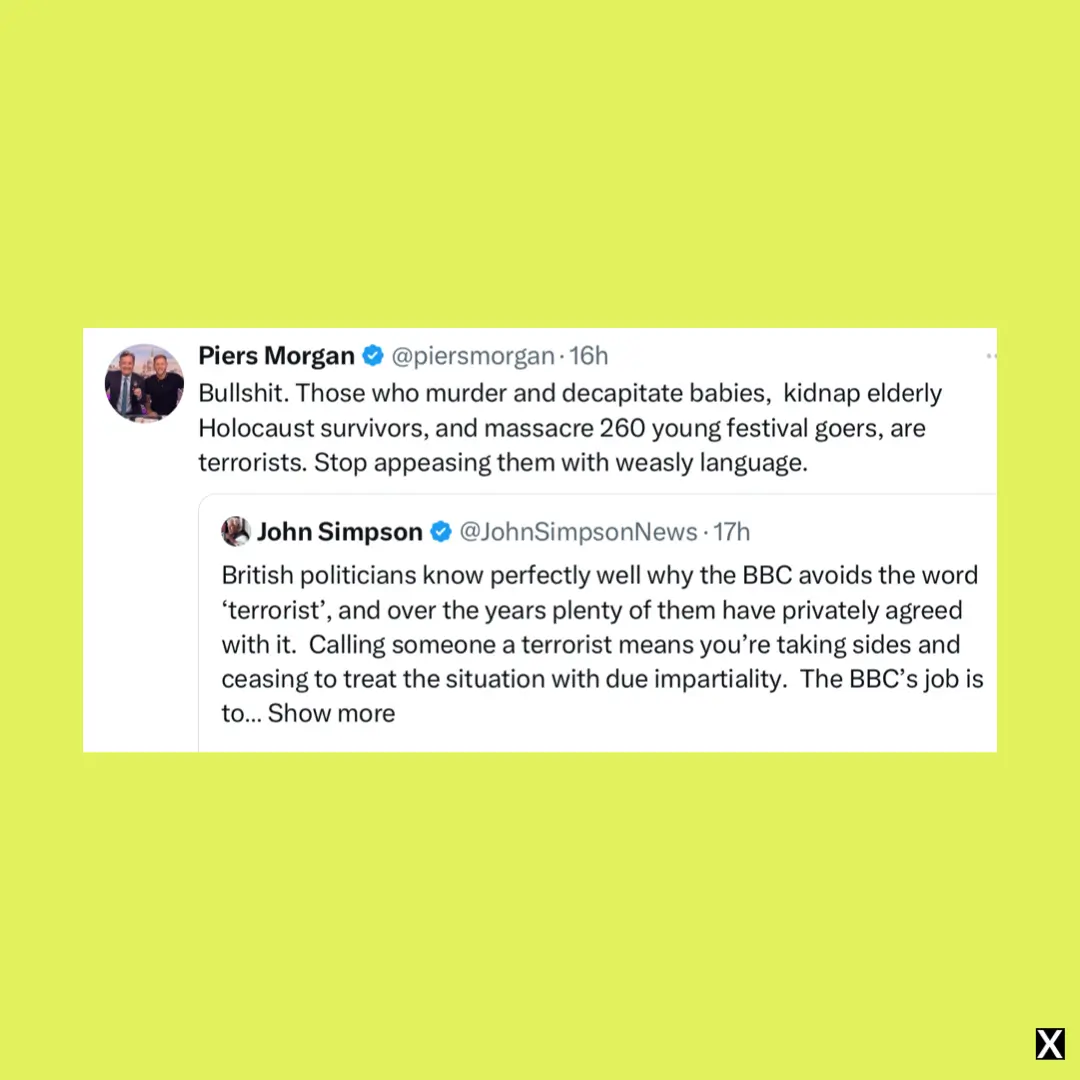
Veteran BBC foreign correspondent John Simpson defended the approach, saying: “Calling someone a terrorist implies taking sides.” But Shapps hit back, insisting the BBC must “locate its moral compass” and called the policy “remarkable.”
Hamas is officially banned in the UK and branded a terrorist group. Shapps argued bluntly, “They are not freedom fighters or militants — they are outright terrorists who have murdered innocent civilians.”
Politicians Join Chorus Demanding Change
The controversy has sparked uproar across Westminster. Foreign Secretary James Cleverly, Culture Secretary Lucy Frazer, and Labour leader Sir Keir Starmer all want the BBC’s stance reconsidered.
Sir Keir said the BBC “needs to explain why it isn’t” calling Hamas terrorists.
Other broadcasters take a different line. ITN, which supplies ITV, Channel 4, and Channel 5, lets newsrooms decide on a case-by-case basis. Sky News and ITV News mostly call them militants or fighters, but ITV has also branded Hamas “terrorists.”
BBC Defends Language Policy Amid Conflict Coverage
With tensions high in Gaza and Israel, media coverage is under intense scrutiny. Israel launched air strikes on Gaza following the Hamas attacks, leading to heavy civilian casualties on both sides.
The BBC’s editorial guidelines state that “terrorist” can be a loaded word that hinders understanding. Instead, they prefer precise terms like “bomber,” “attacker,” or “militant” to keep reporting objective and let viewers make their own judgements.
This debate exposes the tightrope news outlets must walk when reporting on deeply polarised conflicts, balancing language, accuracy, and impartiality.