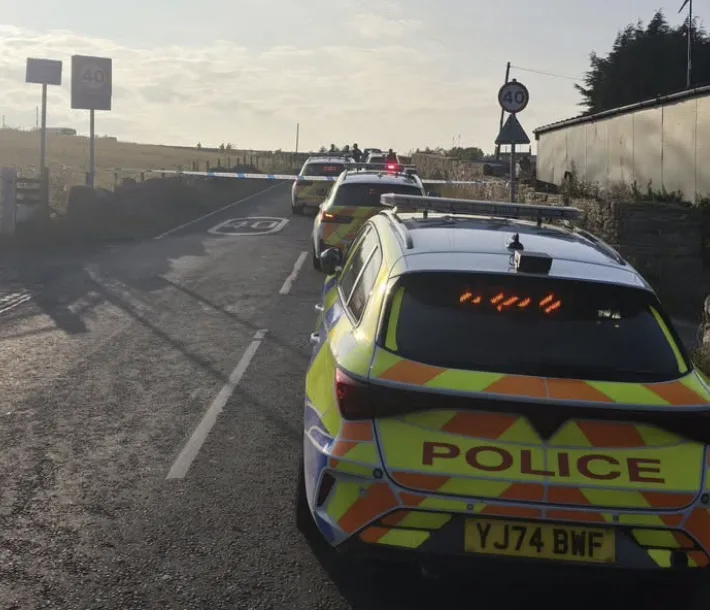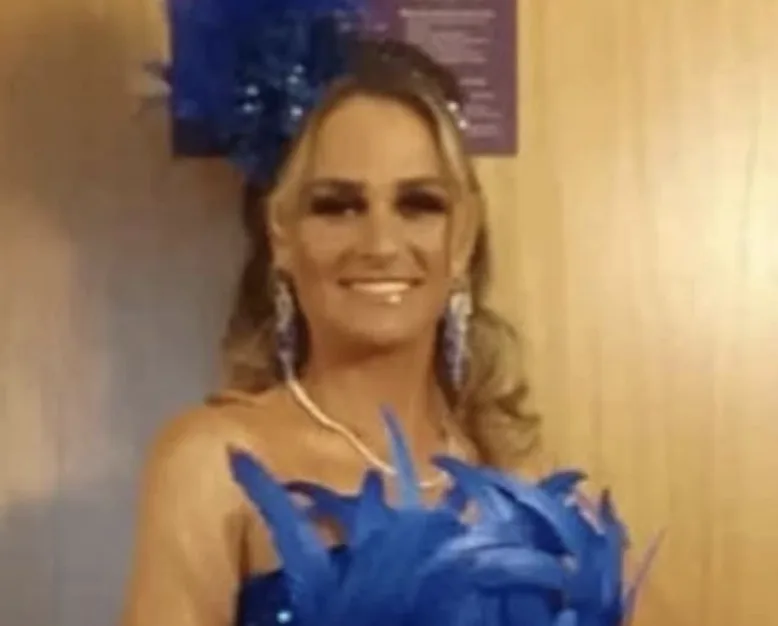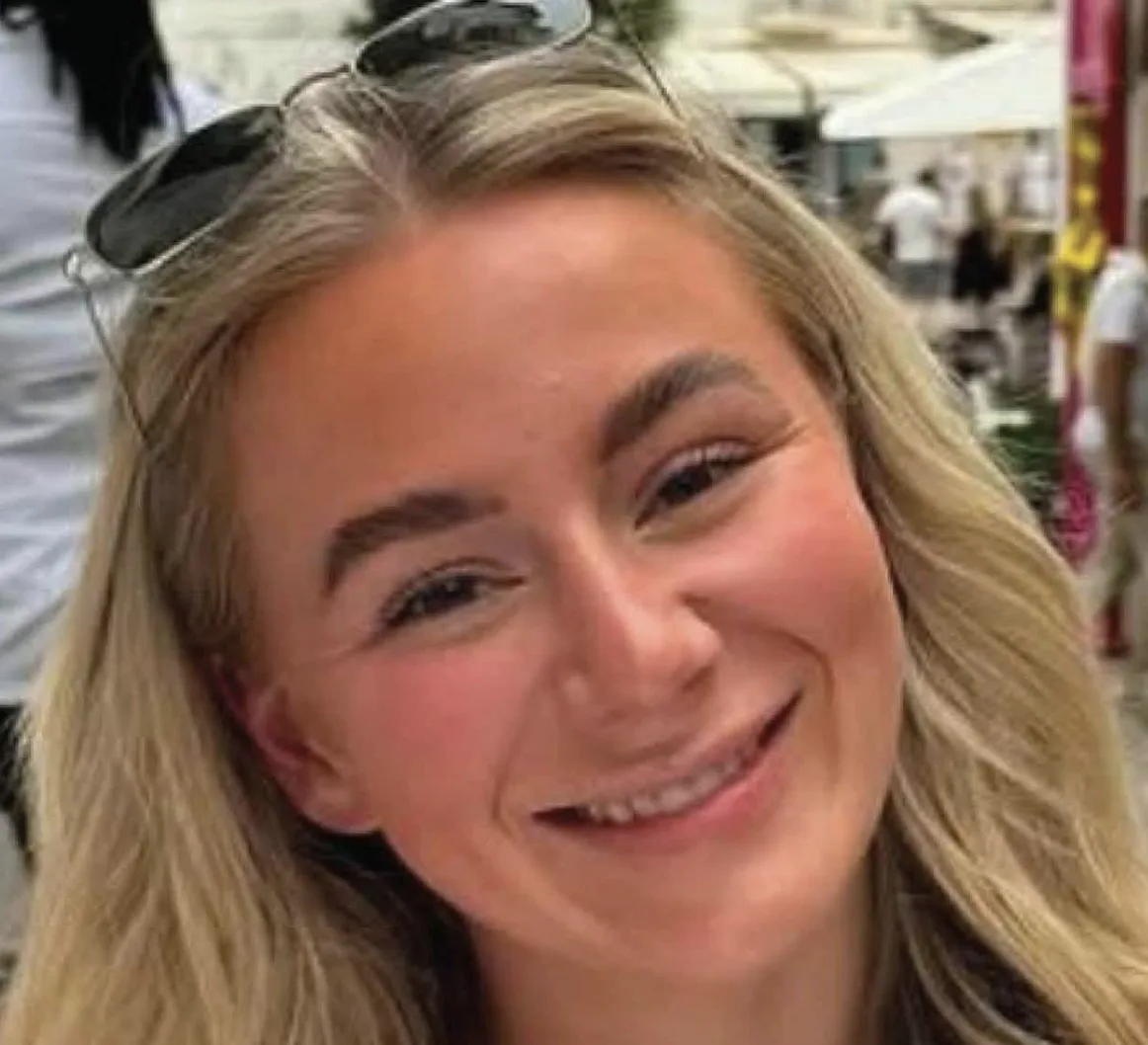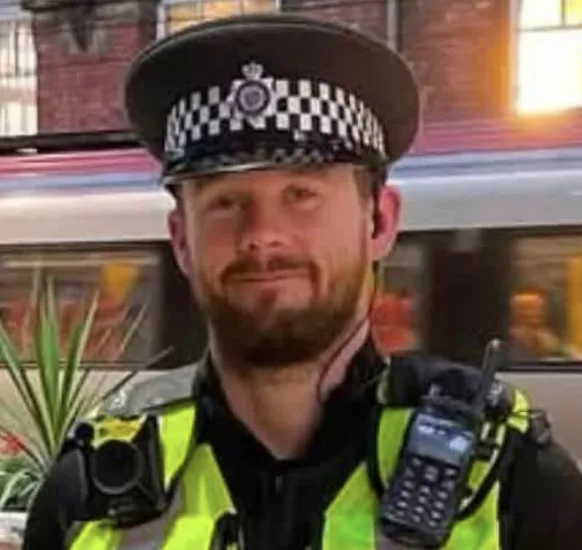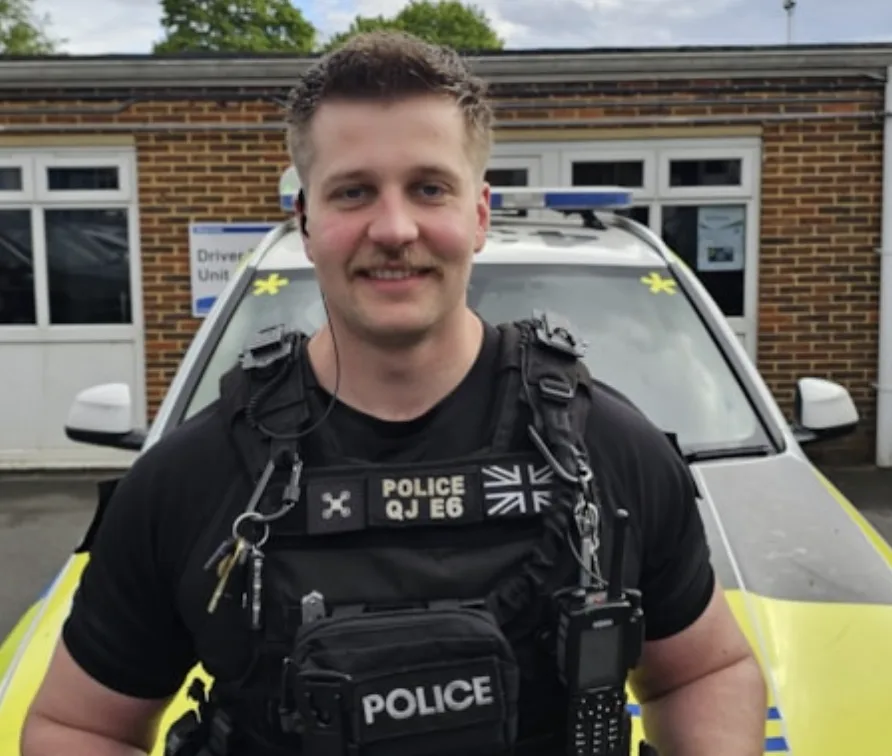
Paramedics and emergency services rushed to Lowestoft seafront in Suffolk on February 2, 2025, after 32-year-old mother-of-six Saffron Cole-Nottage became trapped headfirst underwater between sea defence rocks as the tide rose. An inquest in Ipswich heard that those attending failed to adhere to rescue protocols, mistakenly assuming she was beyond saving when immediate action was still possible.
Missed Rescue Window
Professor Richard Lyon, a pre-hospital emergency care specialist, told the inquest none of the emergency responders complied with official guidelines requiring at least 30 minutes of rescue efforts from arrival, regardless of when submersion was reported. He stated, “I would expect an ambulance crew to have that 30-minute initial rescue time in their mind…
The clock starts when they arrive and that 30-minute revival period would be the minimum – I would expect the ambulance crews to be aware.”
Confusion At The Scene
Paramedic Colleen Gibson, first on the scene, reportedly did not communicate to others that Ms Cole-Nottage could still be saved, leading police, firefighters, and Coastguard personnel to believe she was dead.
Firefighters who arrived shortly after were unaware of this assumption and pulled her from the rocks within a minute, but precious time was lost. The inquest heard of poor coordination and disjointed communication among the agencies involved.
Survival Chances And Delays
Prof Lyon highlighted that survival is “probable” if CPR and removal occur within five minutes of submersion, while brain damage begins after 10 minutes, with survival unlikely beyond 25 minutes. An air pocket around Ms Cole-Nottage’s head may have extended her survival time, but delays in rescue response compromised her chances.
Contributing factors included Ms Cole-Nottage being intoxicated at three times the drink-driving limit.
Calls For Improved Training
The inquest revealed that paramedic Gibson had no prior training in managing multi-agency rescue efforts and lacked adequate support from control rooms during the incident. Evidence points to a need for improved emergency protocols and communication training to prevent future failures.
Professor Lyon urged all responders to “start the clock for the rescue” mindset on arrival at similar scenes.
999 Call Handler Issues
Questions were raised about the 999 call handling system, which relies on a strict question algorithm, delaying critical information being gathered quickly. Coroner Darren Stewart described the system as “rather clunky,” resulting in a “muddled response.” A working group is now reviewing ways to ensure faster identification of submersion times to speed up life-saving action.
The inquest into Saffron Cole-Nottage‘s death continues as authorities investigate the full circumstances surrounding the incident.