Greece and Portugal are experiencing demand surges in September and October. Shoulder-season bookings for Europe rose by 29% in 2025. Data now shows that Mediterranean autumn travel is rivalling summer travel.
Off-Peak Incentives are Driving the Trend
Travel brands are heavily promoting shoulder seasons, advertising lower rates. Autumn and spring bookings worldwide have climbed from 13% to 30%, as people look to avoid heatwaves, overtourism and peak prices. Regional tourism boards are now partnering with local transport. Visit Isle of Man is one example.
Last year, their campaign combined the national ferry operator with the island’s official tourism agency. This offered a 25% discount on ferry fares and B&B rates, driving numbers during the quieter months to dedicated locations and hotels.
Marketing tactics like this are evident in other sectors. Sainsbury’s offers Nectar deals on specific products, which reset weekly. Commercial giants like Amazon and Argos host January sales, in an attempt to draw people from outside the peak Christmas period. In iGaming too, it’s possible to get a bingo free bonus which can be used on specific games, as well as guaranteed prizes and jackpots being advertised for each session of certain live bingo rooms helping to provide players with a greater sense of clarity. In general, promotions that run between 8 pm and 9:30 pm work better at encouraging people to log in during certain windows.
But it doesn’t stop there for travel brands, who are going above and beyond in adopting major retail-style promotions. Travel Tuesday is a major shopping event that takes place on December 1st. Airlines, hotels, and tour operators offer heavy discounts to fill up seats during quieter periods.
Countering the Risk of Unpredictable Seasons
Travel companies are offering free rescheduling alongside flexible cancellation policies to counter the risk of unpredictable spring weather. Adding value through perks, including spa access for shoulder season vacations, protects profit margins without commencing a race-to-the-bottom war. Spreading demand over 10 months instead of a 3-month summer window leads to more resilient tourism, and supports year-round employment.
Consumer interest in September and October spiked by 20-30% last year, particularly in countries like Greece and Portugal. 76% of people who took part in the survey said they wanted cooler, off-peak timing so they could avoid summer climates. Major hotspots like Lisbon, the Algarve, Mykonos and Santorini all experience packed beaches and huge cruise ship crowds during summer. During this time, there’s a risk of seasonal wildfires, which adds additional risk.
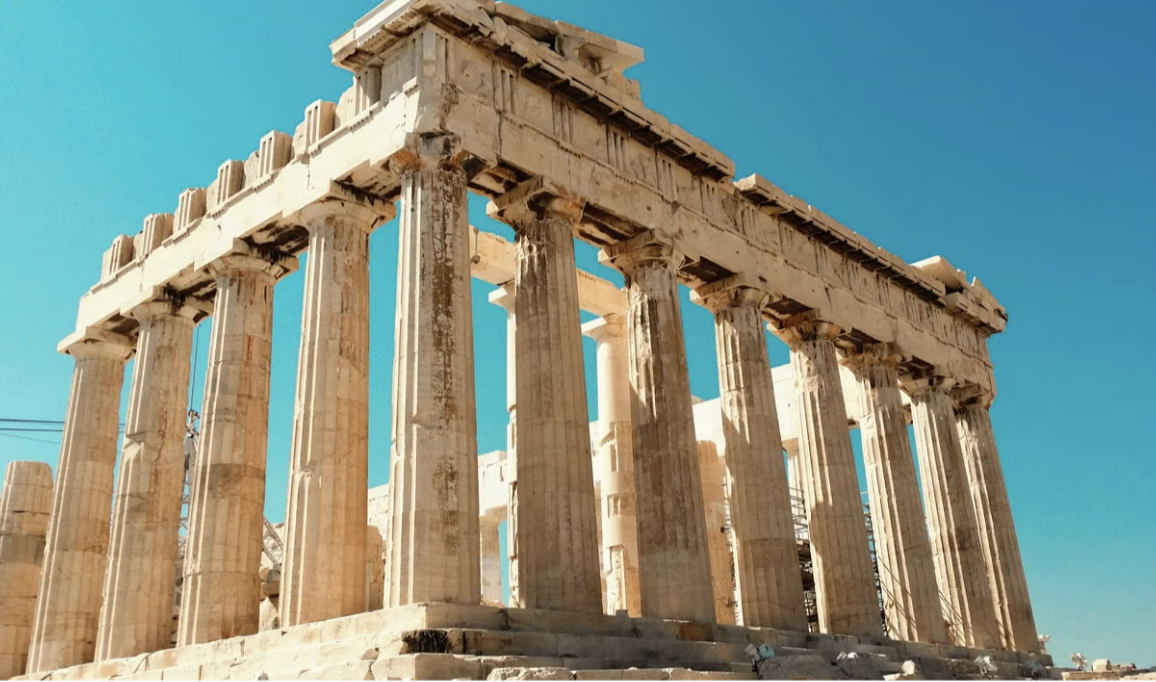
It’s not just spring and autumn that are experiencing a surge in interest either. The shift to off-peak has led to growth in winter tourism. Winter tourism in Greece rose by 10% last year and outpaced Spain and Italy. Coastal cities like Athens and southern regions avoid freezing temperatures, and instead offer crisp, sunny days. Major landmarks like the Acropolis and Delphi can be seen when it’s quieter.
Greece’s popularity looks to continue well into 2027, as findings from the Greek National Tourism Organisation have highlighted that 29% of people from the UK intend to visit Greece in May 2027, and more than half have visited the country already. This, combined with the destination surging in off-peak seasons, means that it could be on track to become one of the most-visited destinations in the world.