A Royal Navy pilot died after the crew of a Merlin helicopter mistakenly switched off two functioning engines during an emergency over the English Channel, a military safety investigation has found.
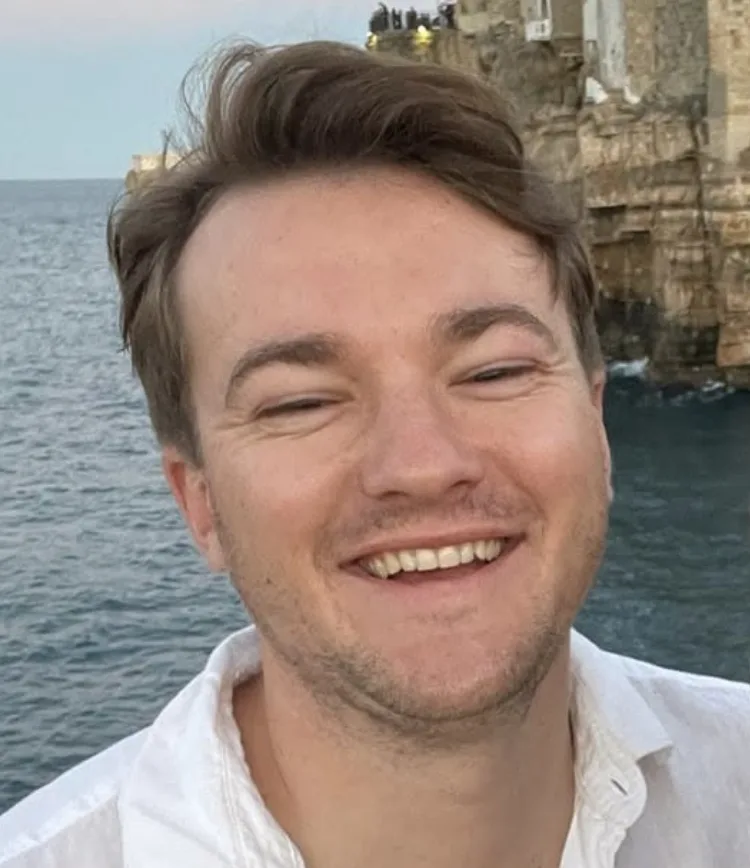
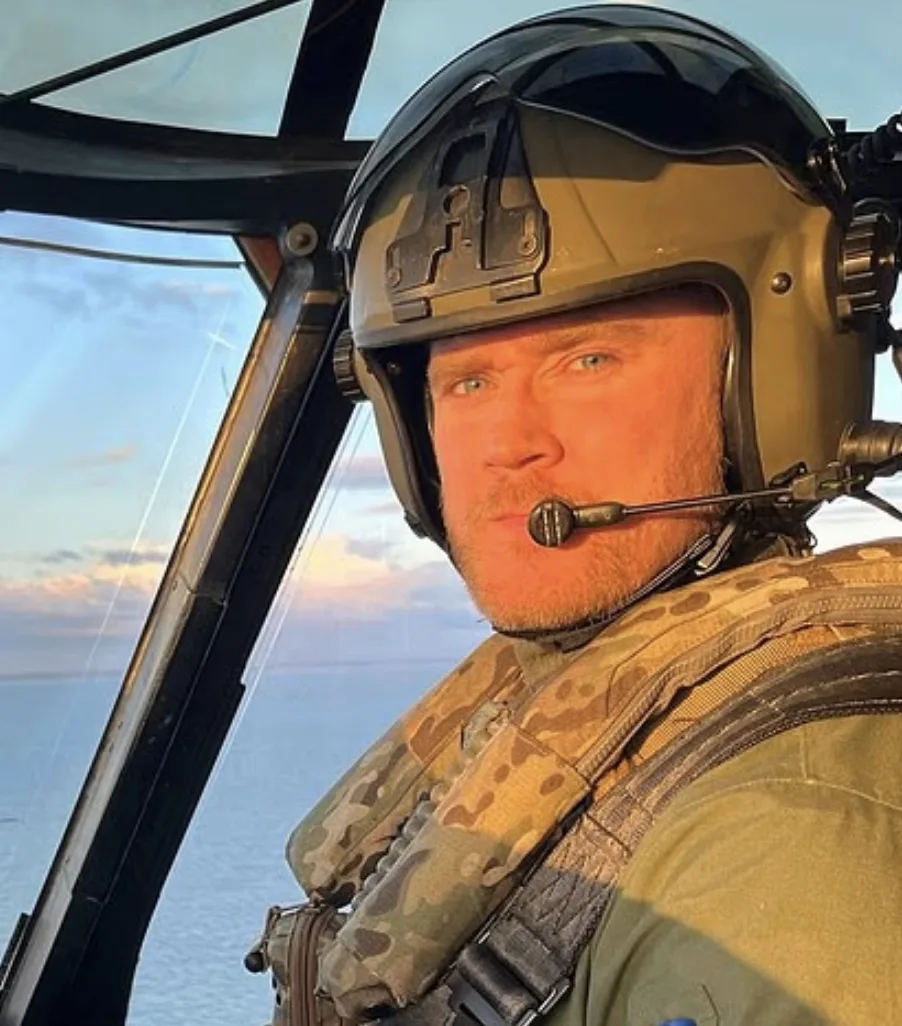
Lieutenant Rhodri Leyshon, 31, died when Merlin Mk4 ZJ135 crashed into the sea during night deck-landing training with HMS Queen Elizabeth on 4 September 2024. The aircraft was operating around 25 nautical miles south of Lyme Regis.
A 152-page Defence Safety Authority investigation found the emergency began when a component in the helicopter’s No. 2 engine failed, causing it to produce excessive power.
Automatic systems responded by reducing power from the Merlin’s two other engines, but cockpit warnings led the crew to believe those engines had failed.
Two working engines switched off
Investigators found Lieutenant Leyshon stated three times within 21 seconds that the aircraft was flying on one engine, an assessment which was not formally challenged by the other crew members.
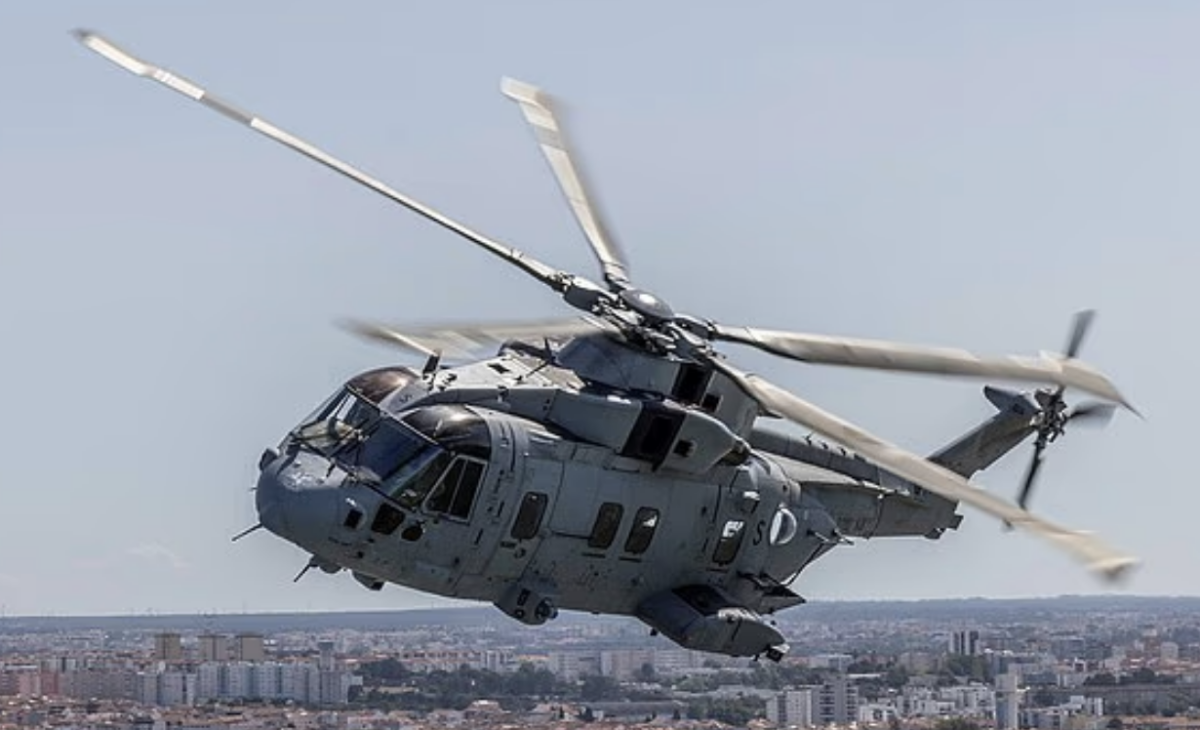
A Mayday call reporting a double engine failure was made and the crew initially began manoeuvring towards HMS Queen Elizabeth for a running landing. Investigators concluded that such a landing would “almost certainly” have succeeded.
About a minute into the emergency, the aircraft commander discussed shutting down the two engines believed to have failed.
The switches for engines No1 and No3 were moved from “FLIGHT” directly to “OFF”. The inquiry found this happened without the confirmation from a second crew member required by Merlin procedures for flight-critical switches.
That left the helicopter relying solely on the malfunctioning No2 engine. It subsequently reached its overspeed limit and automatically shut itself down, leaving the Merlin without engine power.
Attempts to restart the engines were unsuccessful.
Three minutes after the original component failure, the helicopter hit the sea at around 62 knots, descending at almost 2,000ft per minute. Investigators calculated impact forces exceeded 10G.
The aircraft commander and aircrewman escaped from the wreckage, but Lieutenant Leyshon suffered serious injuries and was unable to escape. He was recovered almost two hours later and pronounced dead at hospital.
Inquiry identifies training and safety concerns
The investigation also raised concerns over crew training and flying currency.
Both pilots needed to regain deck-landing currency, while the aircraft commander was not current for night-vision deck landings. Investigators concluded that collective “skill fade” had very likely undermined the crew’s ability to respond to the emergency.
The original mechanical failure was traced to a diaphragm in the No2 engine’s fuel system which investigators said had been weakened by an engineering procedure introduced by manufacturer Safran in 2020. Ten of 117 suspect diaphragms subsequently inspected showed potentially dangerous damage.
The inquiry also identified issues with crash protection and flotation equipment and has made 44 recommendations covering engine maintenance, cockpit warnings, pilot training, rescue equipment and aircraft survivability.
Lieutenant Leyshon had been associated with the Royal Navy for around 14 years and qualified as a Commando Helicopter Force pilot in 2018.
His commanding officer described him as a “consummate professional and a shining light with a bright future”.
His family said: “We are all so very proud of the talented, passionate, strong and loyal man he was.”