A convicted child sex offender who used artificial intelligence to create sexualised images of children was repeatedly allowed to return to the home overlooking a playground where many of his photographs were taken.
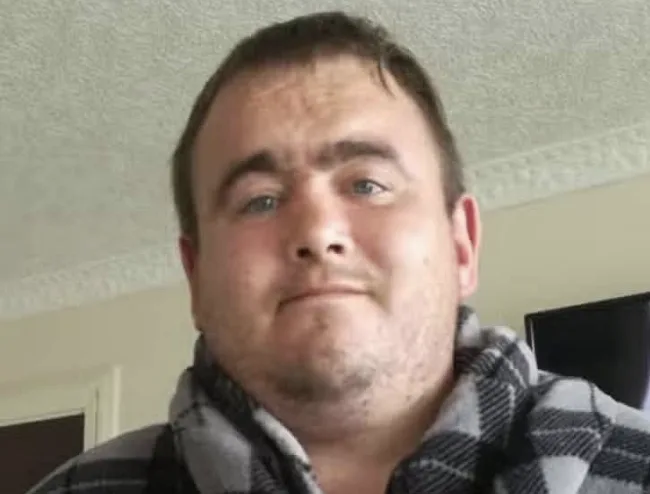
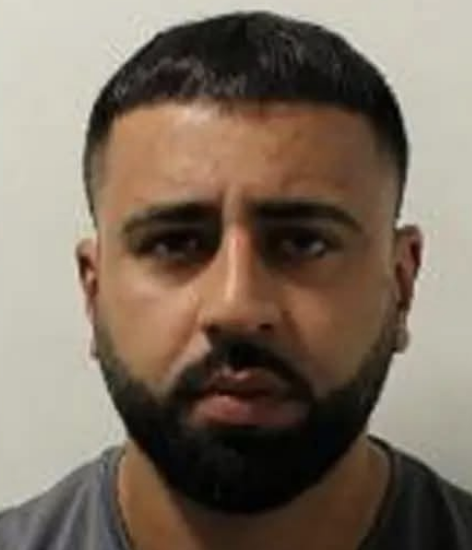
Zafer Dogan, 32, of Enfield, North London, has now been jailed for two years and four months after admitting a series of offences involving indecent images of children and other sexual material.
But the Metropolitan Police has raised serious concerns over decisions to grant Dogan bail on multiple occasions, which allowed him to return to the neighbourhood where children he had targeted continued to live.
One affected family ultimately moved into temporary accommodation because of fears about living so close to him.
Thousands of photographs discovered
Police investigating Dogan discovered more than 5,000 photographs of women and girls, many showing people going about everyday activities including playing in public areas and travelling to and from school.
Investigators said many of the photographs were taken without the subjects’ knowledge, including from Dogan’s bedroom window overlooking a children’s playground.
Some were subsequently manipulated using artificial intelligence and photo-editing technology to alter clothing and appearance and create sexualised material.
A forensic examination of his devices also uncovered around 1,800 indecent images of children, together with extreme pornographic material.
Dogan was first arrested in July 2026.
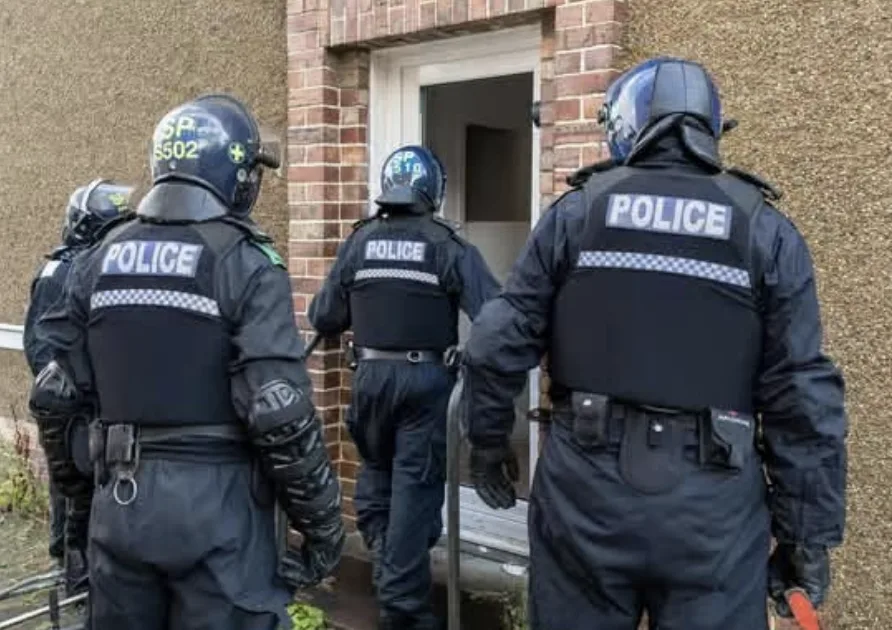
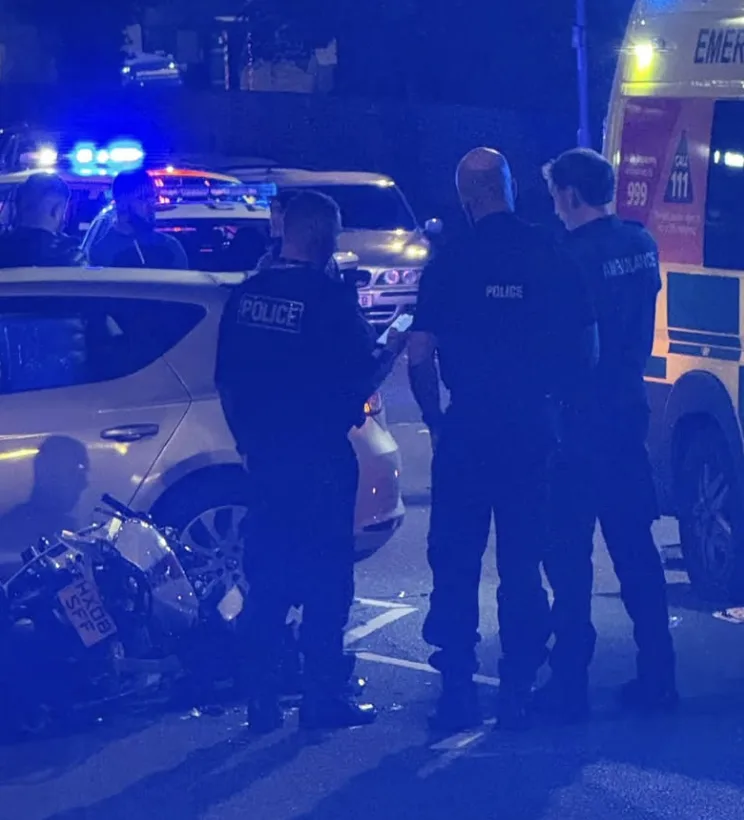
Police said he ran from officers and attempted to dispose of a mobile phone in a nearby garden before it was recovered with assistance from a specialist police dog.
He was arrested again in August and subsequently charged.
Police opposed Dogan being released on bail
Despite the nature of the offending and concerns raised by investigators, Dogan was granted bail during the court process.
That meant he was able to return to the address overlooking the playground connected to his offending.
The situation caused significant concern for families living nearby.
One family whose child had been affected eventually moved into temporary accommodation away from their home because they feared continuing to live close to Dogan.
Met Commissioner criticises bail decisions
Metropolitan Police Commissioner Sir Mark Rowley publicly criticised the decisions following Dogan’s sentencing at Wood Green Crown Court.
Police said officers had identified the risk they believed Dogan posed and prosecutors had opposed his release.
Sir Mark argued that the interests and safety of children should have been given greater weight when decisions were made about whether Dogan should be allowed to return home while awaiting sentencing.
He also highlighted the impact the situation had on victims and their families, including those who continued living close to Dogan after his offending had come to light.
Families describe impact of offending
Parents of children affected by Dogan’s crimes have described the profound impact the discovery has had on their families.
One mother said her family had been left feeling powerless and would never fully recover from what had happened.
Another described being devastated after discovering photographs had been taken of her daughter and expressed fears about whether images could have been circulated to other offenders online.
Concerns raised over use of AI
Sir Mark also used the case to highlight the increasing use of artificial intelligence and image-editing technology in sexual offending.
Dogan had used readily available technology to manipulate photographs, prompting renewed calls for technology companies to introduce safeguards preventing their products from being exploited to create child sexual abuse material.
The Government described Dogan’s offending as abhorrent and expressed sympathy with the victims and their families.
It said legislation had been strengthened to tackle AI tools designed to generate child sexual abuse material.
Dogan jailed for two years and four months
Dogan was sentenced at Wood Green Crown Court to two years and four months in prison.
He was also made subject to a Sexual Harm Prevention Order and will remain on the sex offenders register for 10 years.
The case has also focused attention on the impact of bail decisions on victims and their families.
For those affected, a particularly significant issue was that Dogan was able to return to the address connected to his offending while local children and their families continued living nearby.