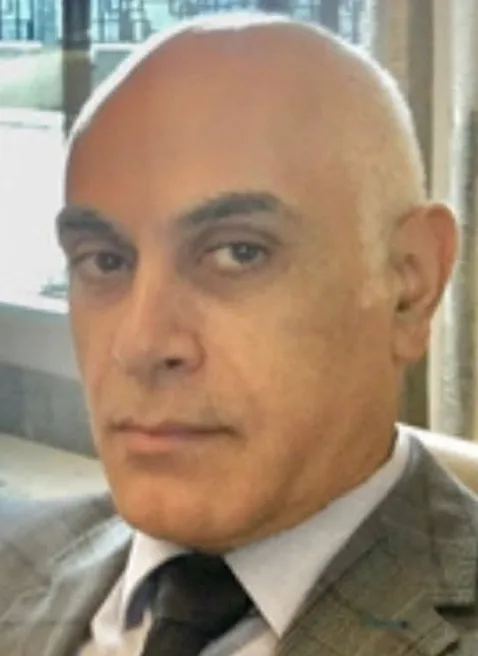
A gynaecologist who admitted removing the ovaries of two women without their consent is set to face a fresh medical tribunal after a High Court judge found serious flaws in the way allegations against him were originally considered.
Dr Ali Shokouh-Amiri was found to have committed misconduct by a Medical Practitioners Tribunal in February 2025 over incidents during his work at the Princess Elizabeth Hospital in Guernsey.
The tribunal found that he had removed ovaries from two patients without their consent, including one removal which had no medical justification.
Despite those findings, the tribunal concluded that Dr Shokouh-Amiri’s fitness to practise was not impaired and issued him with a warning.
The General Medical Council subsequently challenged the decision in The High Court.
High Court finds tribunal decisions ‘wrong or unjust’
In a detailed judgment, Mr Justice Morris upheld significant parts of the GMC’s appeal, finding that the tribunal’s decisions concerning five sets of allegations were “wrong or unjust”.
The judge identified problems including factual errors, failures to consider relevant evidence and reasoning which was at times contradictory or insufficient.
He also found the tribunal had failed adequately to explain why it rejected evidence given by one of the patients, referred to as Patient F.
The case is now expected to return to the Medical Practitioners Tribunal for the disputed allegations to be reconsidered and for a fresh assessment of whether Dr Shokouh-Amiri’s fitness to practise is impaired.
Other allegations considered
Dr Shokouh-Amiri had also faced allegations involving inappropriate or sexually motivated behaviour towards four patients, dishonesty and failures concerning the use of chaperones.
He denied those allegations while admitting the non-consensual ovary removals.
The original tribunal found that he had hugged and kissed one patient but concluded that this did not amount to misconduct. Other allegations of sexually motivated behaviour were not proved.
However, the panel found that the unauthorised ovary removals and comments suggesting that a patient should “join him at the gym” amounted to misconduct.
Despite this, it originally assessed the risk of Dr Shokouh-Amiri causing unwarranted harm as low.
Part of the GMC’s High Court appeal concerning the tribunal’s approach to propensity evidence was dismissed. Mr Justice Morris indicated that even if the allegations involving Patient F were ultimately proved, they should not be used simply to bolster weaker allegations involving other patients.
A GMC spokesperson welcomed the judgment, saying: “The court agreed that the tribunal made errors when considering the very serious allegations against Dr Ali Shokouh-Amiri.
“We will continue to challenge tribunal decisions where we believe the outcome is insufficient to protect the public.”
The fresh tribunal will determine the outstanding issues and reconsider what, if any, regulatory action should follow.