Prince Philip: Royal Freemason and Charity Champion
The Duke of Edinburgh wasn’t just a royal – he was a dedicated Freemason. Introduced to Freemasonry in 1952 by his father-in-law King George VI at age 31, Prince Philip remained deeply involved throughout his 99 years, supporting nearly 1,000 charities.
Charity at the Core of His Life
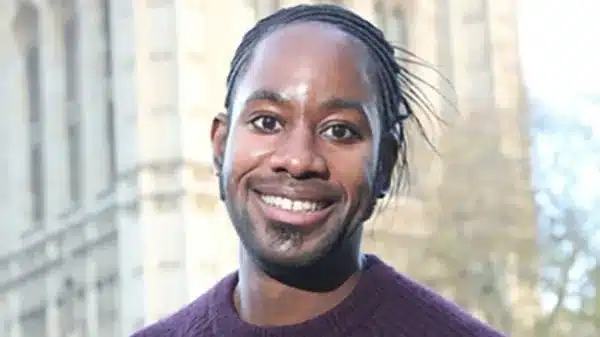
From scientific research to youth welfare, sport, conservation, and the environment, Prince Philip backed a wide range of causes. Dr David Staples, chief executive of the United Grand Lodge of England (UGLE), praised the Duke’s commitment:
“Prince Philip was well known for his charity work, involved with numerous organisations. He was devoted to philanthropy. The best way to honour him is by supporting the charities he supported.”
Dr Staples added, “Freemasonry’s core values are charity, integrity, respect, and friendship. For over 300 years, Freemasons have quietly worked to make society better for those less fortunate.”
Freemasons’ Massive Charity Efforts
Freemasons volunteer a staggering 18.5 million hours annually. They help vulnerable people with hospital trips, meal prep, care packages, and produce vital PPE and hand sanitiser. Last year alone, they donated over £1 million to COVID-19 relief, benefiting food banks, unpaid carers, hospitals, hospices, women’s refuges, NHS workers, and ambulance services.
The Duke’s Freemason Journey
Prince Philip joined Navy Lodge No 2612 on 5 December 1952, quickly moving up the ranks with his Second Degree attained by March 1953 and Third Degree by May 1953. He remained a loyal member until his death.
Born in Corfu on 10 June 1921, Philip was the only son of Prince Andrew of Greece and Denmark and Princess Alice of Battenberg, holding the titles Prince of Greece and Denmark.
Other royals are Freemasons too, including HRH the Duke of Kent, the UGLE’s longest-serving Grand Master.