Erdoğan’s Turkey Under Fire Over Sudan War Profits
A blazing YouTube campaign has sparked a fierce debate over Turkey’s role in the Sudanese conflict. Led by opposition figure Cevheri Güven, the videos expose Turkish involvement in controversial military deals and the so-called “blood gold” trade fueling Sudan’s war zones.
Turkish Billionaire’s Blood-Soaked Gold Empire
Central to the frenzy is Ahmet Ahlatcı, a businessman close to President Erdoğan, accused of raking in billions from Sudan’s gold mines. U.S. intelligence leaks reveal how Ahlatcı’s empire expanded during Turkey’s economic turmoil, turning a tiny jewellery store into a sprawling industrial giant with 43 companies across energy, finance, and more.
Bloomberg estimates his fortune at over $5 billion — eclipsing Turkey’s richest families like Koç and Sabancı. Ahlatcı’s gleaming metals refinery in Anatolia, with its glass walls, extravagant fountains, and giant glass diamond, stands as a flashy symbol of Turkish political money-moves.
Arms Dealers Feeding Sudan’s Bloody Conflict
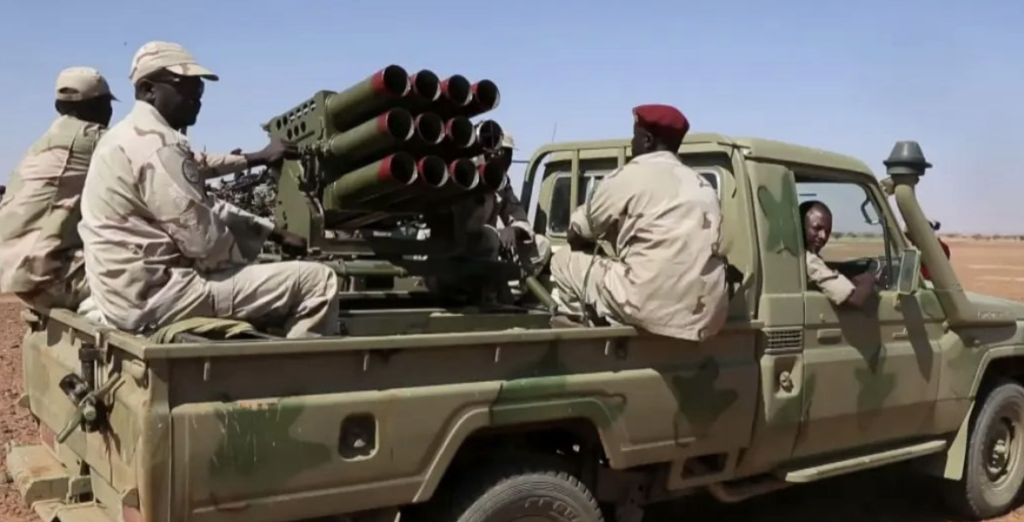
But it’s not just gold that’s causing outrage. Turkish weapons firms Baykar and Arca have been fingered for selling drones and arms to fighters in Sudan. In a hard-hitting follow-up report, opposition journalist Erk Akarer showed Erdoğan and his associates personally involved in these shady deals.
Despite a storm of social media backlash, Ankara has stayed mum. Experts warn these murky arms sales represent Turkey’s covert push to expand influence in Africa — cashing in on natural resources while stoking regional instability.
Gold Rush Amid Turkey’s Economic Chaos
Gold plays a major role in Turkey’s battered economy, especially its $8 billion jewellery industry, boasting huge exports to markets like India and China. Inflation has soared beyond 100% in Istanbul, driving Turks — both locals and investors — to pour money into gold as a safe haven.
Kagdas Kucukimeryeroglu, a metals consultant in Istanbul, says: “With high inflation and limited investment options, Turks have chosen to invest in gold. If you hold the Turkish lira, you’re losing.”
The meteoric rise of Ahlatcı highlights the smoky mix of politics and profits under Erdoğan’s rule. The exposure of Turkey’s links to Sudan’s war shines a spotlight on how political clout and economic greed intertwine — raising serious questions about transparency, accountability, and the true cost of Ankara’s expansionist ambitions.