From Empty Fridge to Takeaway Blitz: How Digital Dining Has Transformed UK Mealtimes
Remember the days when facing an empty fridge meant throwing together a sad piece of toast? Those days are gone. Today’s UK food scene is dominated by digital ordering, turning what used to be a rare treat into a midweek lifesaver for busy Brits.
The UK Takeaway Revolution
Ordering food used to mean fumbling through a drawer full of crumpled menus, nervously hoping the phone line wasn’t busy. You’d struggle to make yourself heard and pray your order was correct. Now, thanks to slick apps and websites, everything’s just a few taps away.
Whether you’re in bustling Glasgow or a sleepy town in West Lothian, you can instantly access all your local takeaway options. This digital makeover has breathed new life into thousands of restaurants and independent shops across Scotland, helping them reach customers like never before.
Why Convenience is Winning Hearts (and App Downloads)
In today’s fast-paced world, time is gold. Food delivery apps offer it in spades. Hungry consumers browse menus, compare prices, and order with zero fuss. No more agonising over what’s in the fridge or worrying about cooking after a brutal day at work.
But it’s not just about quick fixes. The variety on offer is staggering – from vegan delights to classic curries, there’s something for every diet and mood. Fancy a healthier option? It’s there. Craving something indulgent? Sorted.
The Perks of Modern Ordering Platforms
- Real-Time Pricing: Know exactly what you pay before you click ‘order’.
- Easy Payment Options: Pay by card or cash – the choice is yours.
- Massive Choice: See every restaurant in your postcode and pick the perfect grub fast.
- Beat the Drink Rip-Off: Avoid sneaky markups as wine and drinks can cost up to 4 times more in restaurants than supermarkets.
- Support Local: Help family-run businesses in places like Angus, Fife, or the Scottish Borders thrive.
- Order Tracking: Know exactly when your takeaway will land at your door.
Keeping Local Businesses Alive and Kicking
This isn’t just about convenience for customers. Online platforms have become a lifeline for small businesses. Many local shops lack the tech or funds to create fancy websites or run delivery services. Joining big digital networks gives them marketing muscle and payment processing they could only dream of before.
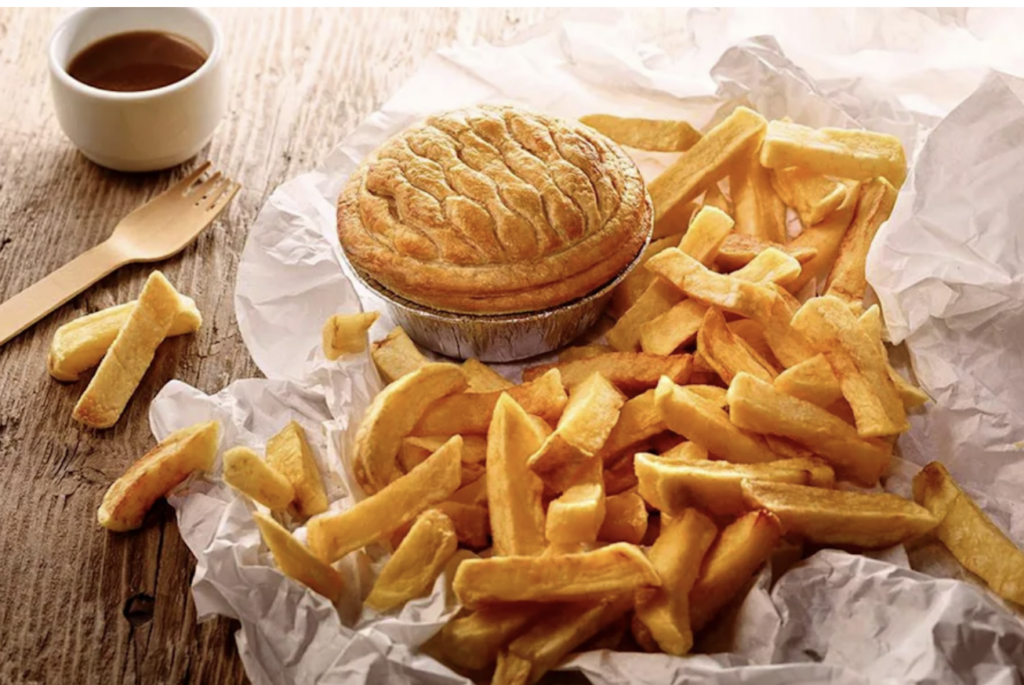
Ordering food from a North Lanarkshire pie shop or an Inverclyde chippy means backing a family-run favourite that’s been part of the community for years. Technology is the modern handshake that keeps these traditional venues on the map.
Why Ordering In is No Longer Guilty Pleasure
Guilty about not cooking? Drop it. More Brits see food delivery as a smart way to care for themselves. When ordering in means an extra hour’s rest, or more quality time with loved ones, it’s a no-brainer.
The takeaway industry is booming because it nails a basic human need: simplicity. As life gets busier, digital dining isn’t just a trend – it’s here to stay. Serving up tasty meals and saving time, it perfectly fits our modern lifestyle and love of good grub.