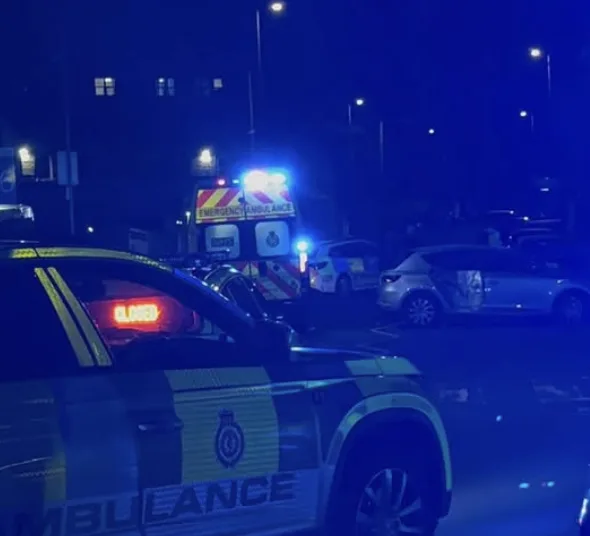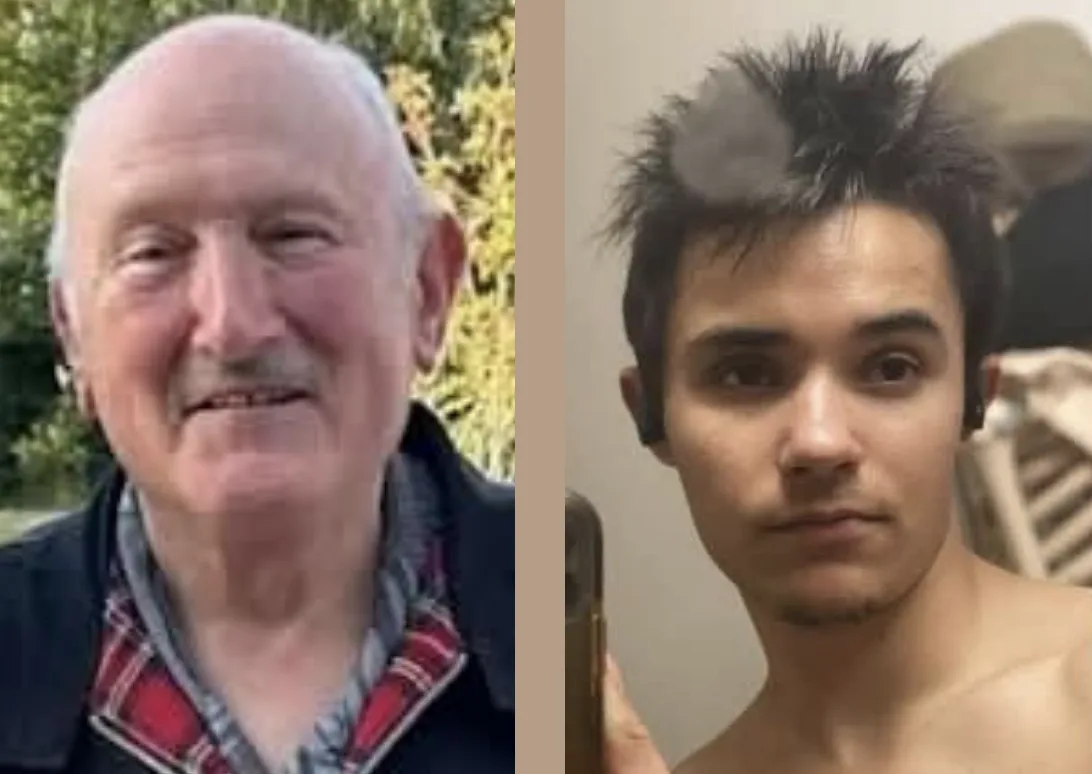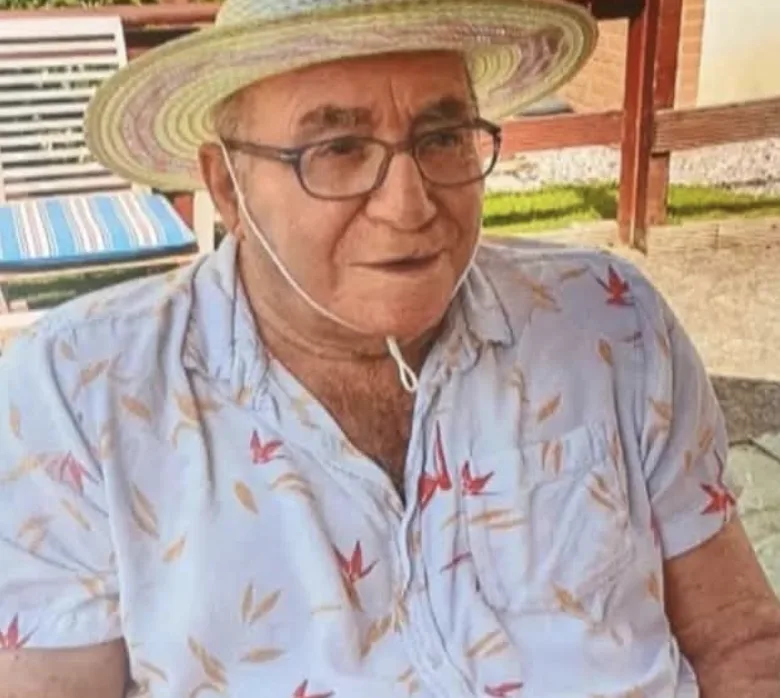
The family of a 92-year-old disabled care home resident have argued that the use of pepper spray, a police baton and a Taser against him may have contributed to his death three weeks later, an inquest hearing has been told.
Donald Burgess, who had dementia, was an amputee and used a wheelchair, died 22 days after police were called to Park Beck Residential Care Home in St Leonards-on-Sea, East Sussex, on June 21, 2022.
Officers had been called following an incident involving Mr Burgess and a specially adapted butter knife.
The pensioner had reportedly poked a member of care staff in the stomach with the knife before refusing to hand it over.
Body-worn camera footage shown during proceedings captured the subsequent police intervention while Mr Burgess remained seated in his wheelchair.
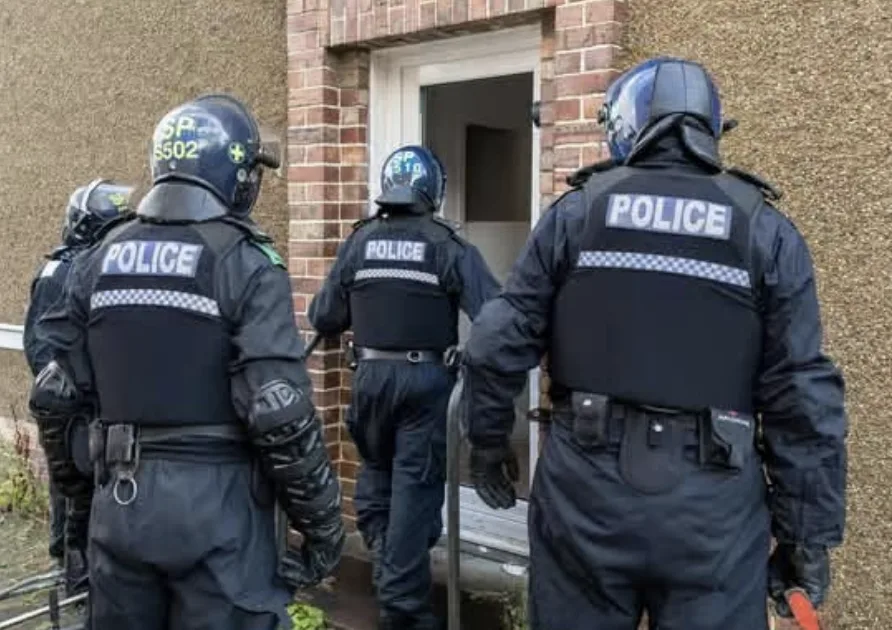
PC Stephen Smith used PAVA incapacitant spray before striking Mr Burgess with his baton, while PC Rachel Comotto subsequently discharged her Taser.
The entire incident lasted less than a minute and a half.
Mr Burgess was eventually handcuffed and removed from the care home before being taken to Conquest Hospital.
He was treated for delirium and a severe urinary infection, conditions which can affect behaviour, particularly in people living with dementia.
Mr Burgess was discharged from hospital on June 28 but was unable to return to Park Beck and remained in hospital. He subsequently tested positive for Covid-19 on July 9.
He died 22 days after the police incident.
A post-mortem examination recorded his cause of death as heart disease and bronchopneumonia.
At a pre-inquest hearing in Lewes, lawyers representing Mr Burgess’s family argued that the circumstances surrounding the police intervention should be examined to determine whether the force used against him contributed to his subsequent deterioration and death.
Barrister Jesse Nicholls told the hearing that Mr Burgess was a particularly vulnerable elderly man and argued that the force used against him could have caused significant physiological stress.
He said the potential causal relationship between that stress and Mr Burgess’s death required investigation.
The hearing was told Mr Burgess had several serious underlying health conditions, including diabetes, carotid artery disease and dementia, as well as having lost one leg.
The family’s legal representative said officers used PAVA spray, a baton and a Taser within approximately one minute and 14 seconds of arriving.
Mr Burgess remained seated in his wheelchair as officers shouted instructions at him, the hearing was told.
At one stage, when asked how he was, Mr Burgess was heard responding: “I’m dying.”
Questions were also raised about whether officers had properly established the nature of the care facility and Mr Burgess’s circumstances before force was used.
PC Smith and PC Comotto were subsequently prosecuted in connection with the incident but were cleared of assault occasioning actual bodily harm at Southwark Crown Court in May last year.
During those proceedings, PC Smith said he had not realised Mr Burgess was disabled despite him having only one leg. PC Comotto denied being “trigger-happy”.
Following their acquittal, Mr Burgess’s family said they were disappointed and saddened after what they described as an extremely distressing three-year ordeal.
Sussex Police and lawyers representing the officers dispute the suggestion that the police intervention contributed to Mr Burgess’s death.
Tom Day, representing Sussex Police, told the latest hearing there was no evidence that the officers’ actions caused Mr Burgess to die any sooner than he otherwise would have done.
Assistant Coroner Michael Spencer has not yet decided whether the inquest into Mr Burgess’s death should be reopened.
A decision is expected at a later date.
PC Smith and PC Comotto are also due to face a police disciplinary tribunal in connection with the incident.