
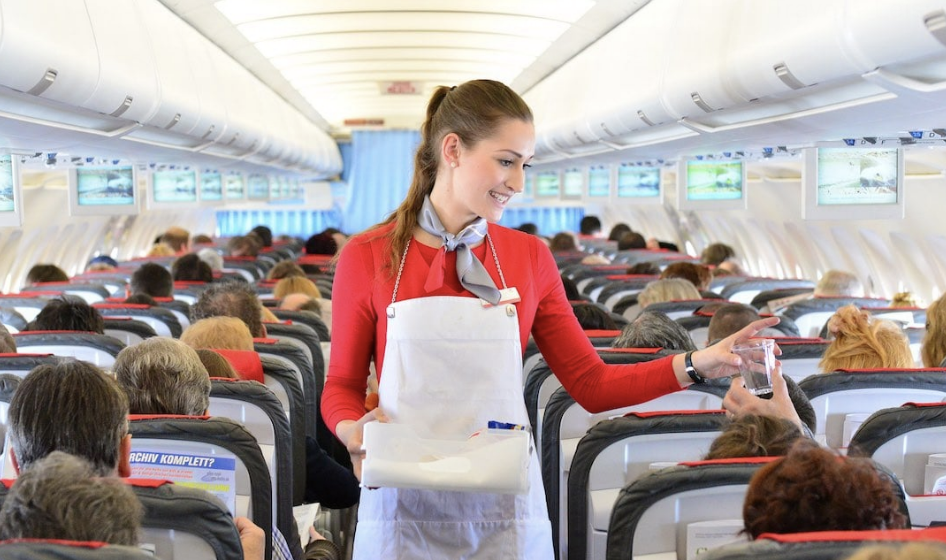
A long flight means hours with nothing scheduled and nowhere to be. No calls to answer, no errands to run, just time to fill until the plane lands. People handle that stretch of downtime in very different ways, and airlines have picked up on it, building more entertainment options into every seat.
Boredom Has Its Own In-Flight Economy Now
Passengers rarely sit and stare at the seat in front of them anymore. Somewhere along the way, filling flight time turned into its own small habit set, from seatback screens to personal devices loaded up before takeoff. This kind of downtime browsing has picked up in recent years, with LuckyWave being one of the destinations some travellers check in on for a few minutes at a time.
This stays fully digital, opened through a phone, tablet, or in-seat wifi connection. It sits next to podcasts, mobile games, and downloaded shows as just another way to pass a long stretch in the air.
Wifi Access Changes What People Can Do
Not every flight offers working wifi, and that single detail shapes the whole experience. On flights with a solid connection, passengers stream, browse, and message freely. Without it, people fall back on whatever they downloaded before boarding.
Movies and Shows Still Lead the Pack
Seatback screens or personal devices loaded with downloaded content remain the most common way to pass time on a long flight. Airlines stock a rotating list of films and series, while frequent flyers often load their own shows ahead of time to avoid relying on limited seatback options.
- Feature films on seatback screens
- Downloaded series for offline viewing
- Podcasts saved before takeoff
- Audiobooks for a lower-effort option
Sleep Becomes a Priority on Longer Routes
Flights over six or seven hours change passenger behaviour completely. Sleep moves to the top of the list, especially on overnight routes where landing time matters for the day ahead. Neck pillows, eye masks, and noise-cancelling headphones show up far more often on these longer hauls.
What Passengers Do Changes by Flight Length
Flight duration plays a big role in shaping what people actually do with their time in the air. Short hops rarely need much planning, while longer routes call for a mix of sleep, entertainment, and work.
| Flight Length | Typical Activity | Device Used | Common Extra |
| Under 2 hours | Reading, music | Phone | None needed |
| 2-5 hours | Movies, work | Tablet or laptop | Downloaded content |
| 5-9 hours | Sleep, streaming | Phone, seatback screen | Neck pillow |
| 9+ hours | Sleep, multiple activities | All devices | Noise-cancelling headphones |
Longer flights tend to combine several activities rather than sticking to just one for the whole trip.
Work Still Follows Many Travellers into the Air
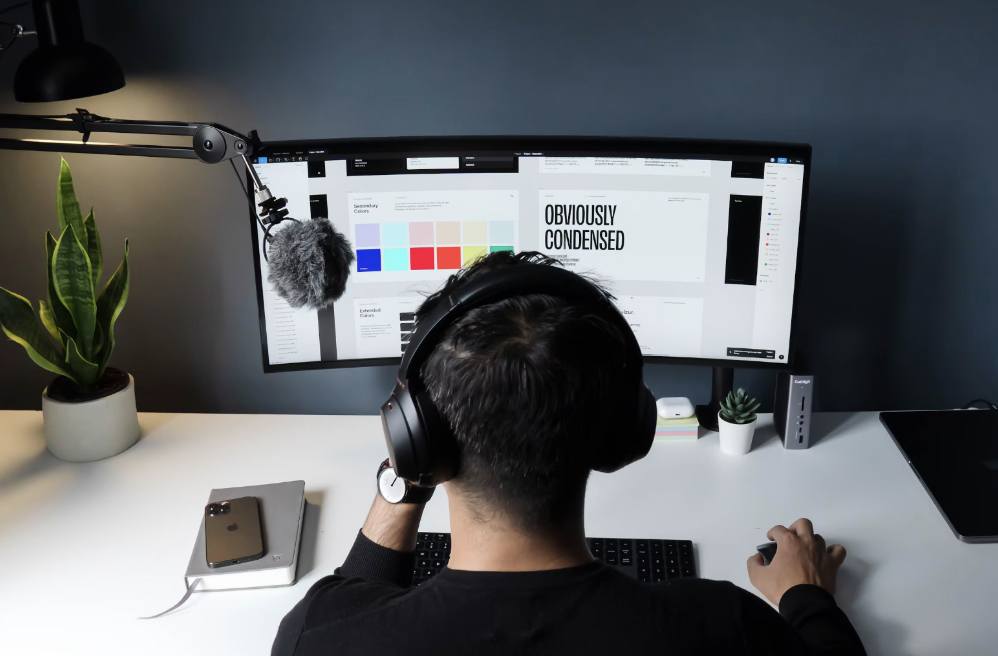
Wifi access has made working mid-flight normal for a lot of business travellers. Laptops come out for emails, spreadsheets, or finishing a deck before landing. This has become common enough that some airlines now advertise reliable wifi as a selling point on their longer routes.
A Long Flight Ends Up Full Either Way
Nobody plans to spend nine hours doing nothing, and most passengers do not. Between movies, sleep, work, and small bits of entertainment scattered through the flight, the hours fill up faster than expected once the seatbelt sign goes off.
By the time the plane starts its descent, most passengers barely notice how the time has passed. It rarely feels like the wait people braced for at the gate.