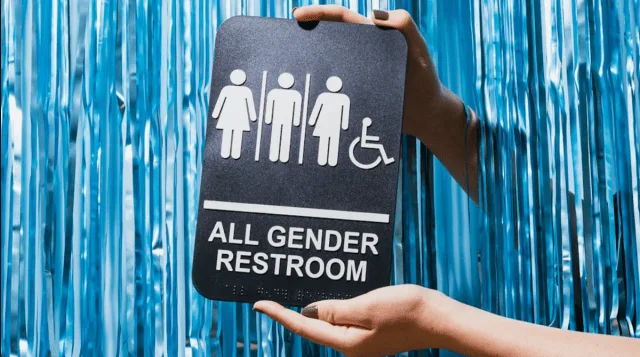
New Rules Demand Single-Sex Toilets in Public Buildings
The government is cracking down on toilet chaos with fresh laws insisting on separate single-sex facilities in new non-domestic buildings. This move comes after a public consultation showed overwhelming support for keeping men’s and women’s toilets apart — while still allowing for universal loos when space permits.
Public Votes Strongly for Separate Toilet Facilities
Survey results revealed 81% back separate single-sex toilets, while 82% support universal toilets featuring self-contained, lockable cubicles with their own hand-washing basins. These universal toilets aim to serve everyone’s needs efficiently without compromising privacy.
Women, Elderly and Disabled Demand Privacy and Dignity
Campaigners, including women, the elderly, and disabled groups, raised alarms about the drawbacks of converting public toilets to gender-neutral setups. Shared cubicles and open hand-washing areas caused longer queues, limited choice, and concerns over privacy, health, and dignity.
What the New Legislation Means
- All new non-domestic buildings — from shopping centres to offices and public conveniences — must provide separate toilets for men and women.
- Self-contained universal toilets can be added alongside single-sex facilities if space allows.
- In tight spaces, universal toilets may replace single-sex units when necessary.
Minister for Equalities Kemi Badenoch stressed the importance of safeguarding privacy and tackling women’s unique sanitary and health needs. Housing Minister Lee Rowley also backed the rules, highlighting the need for proper toilet facilities that serve the whole community.
The Department for Education further supported separate toilets in schools, citing vital safeguarding reasons for young people and college students.
The government’s new law aims to restore dignity, improve comfort, and make public toilet access fairer for everyone — while recognising practical space limits.