World’s Hotspots Face Deadly Heatwave Threats, Warn Scientists
A new study has uncovered regions around the globe dangerously unprepared for killer heatwaves. Some places could face devastating effects as scorching temperatures hit unprecedented highs.
Afghanistan, Papua New Guinea, Central America at High Risk
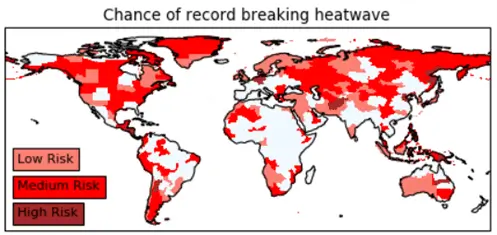
Research led by the University of Bristol, published in Nature Communications, shows that the perfect storm of extreme heat and socio-economic vulnerability threatens places like Afghanistan, Papua New Guinea, and Central America the most. These countries often haven’t yet faced intense heatwaves, meaning they lack crucial adaptation measures.
“We identify regions that may have been lucky so far – some with rapidly growing populations, some are developing nations, some are already very hot,” said lead author Dr Vikki Thompson from Bristol’s Cabot Institute. “We need to ask if their heat action plans are up to scratch.”
Beijing and Central Europe Could Also Sizzle in Danger
Densely populated regions such as Beijing and Central Europe feature on the heat hazard list. If record-breaking heatwaves strike here, millions could suffer severe health impacts due to stressed healthcare and energy systems.
Experts Urge Urgent Action to Save Lives
Using advanced stats and huge climate datasets, researchers identified global hotspots where deadly heatwaves are most likely to strike soonest. Alarmingly, nearly a third of tested regions have already seen ‘impossible’ record-breaking heat events recently – like the 2021 North America heatwave.
“Being prepared saves lives,” said co-author Professor Dann Mitchell. “Unexpected heatwaves have already killed tens of thousands worldwide. Such record-smashing events could happen anywhere. Governments must get ready now.”
With climate change driving hotter, longer, and more frequent heatwaves, there’s no time to waste. Improved understanding of vulnerable regions is key to saving lives and prioritising emergency plans.
In a front-running move, the University of Bristol declared a climate emergency in 2019, highlighting the urgent need to tackle this growing threat.