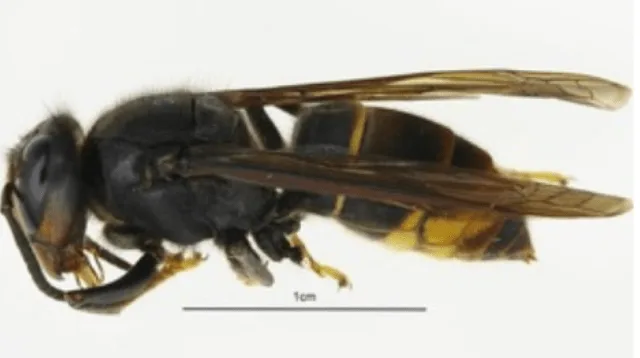
UK on High Alert for Asian Hornets This Summer
Britain’s Chief Plant Health Officer, Professor Nicola Spence, has issued a serious warning to beekeepers and the public. With summer at its peak, everyone must stay sharp for Asian hornet sightings. These small but nasty invaders may be smaller than native hornets but they are a major threat to honeybees and other vital pollinators.
Spotting the Asian Hornet: What to Look For
Asian hornets are easy to identify if you know the signs. Look for:
- A dark body
- A distinctive wide orange stripe on the fourth section of their abdomen
- Yellow-tipped legs
If you spot one, don’t delay — report it straight away using the sussex/eastbourne-introduces-night-safety-marshals-for-ensured-public-safety/" target="_blank" rel="noopener">Asian Hornet Watch app.
Record-Breaking Invasions in 2023
Last year smashed records for Asian hornet sightings across the UK. The National Bee Unit, part of the Animal and Plant Health Agency, acted fast, finding and destroying 72 nests in 56 locations, with Kent declared the hotspot.
Fighting Back: Spring Trapping and Public Help Needed
The National Bee Unit is pulling out all the stops to wipe out Asian hornets. Spring trapping has been set up in key areas to catch overwintering queens early. These traps cleverly allow non-threatening insects to escape.
Professor Nicola Spence stresses the public’s role: “Early reports mean we can act quickly. Asian hornets don’t usually threaten people directly, but they’re deadly for honeybee colonies and pollinators.”
How to Report Asian Hornet Sightings
Think you’ve seen an Asian hornet? Snap a photo and report it via the Asian Hornet Watch app on iPhone or Android, or use the online report form. Beekeepers should regularly check gov.uk sightings pages and BeeBase to stay updated.
Raising Awareness at the Chelsea Flower Show
To boost public knowledge, Defra is spotlighting Asian hornets with an interactive exhibit at the Chelsea Flower Show. The display educates gardeners and industry insiders on how these invaders threaten native bees and wild pollinators — and why vigilance is key.