Storm Otto Set to Batter Northern UK with Fierce Winds and Heavy Rain
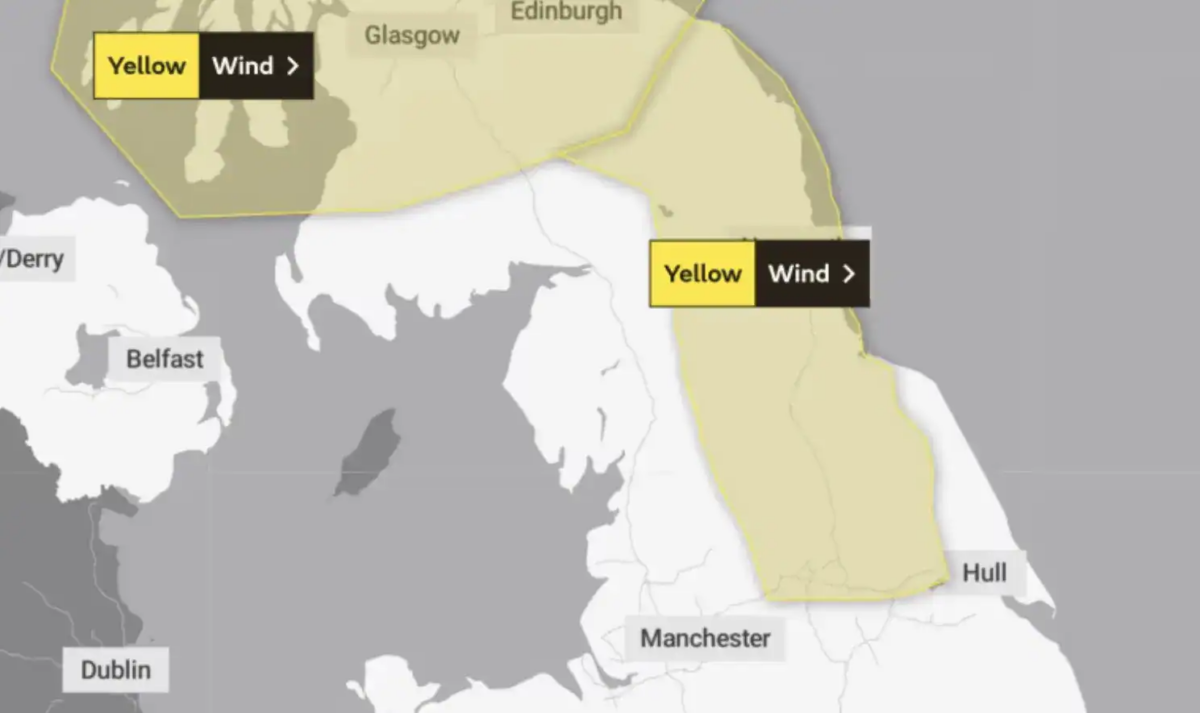
A Met Office warning is in force from 6am to 6pm this Friday, 17 February, covering the North East, Yorkshire, and northern Lincolnshire. Storm Otto, the first of the season, has been named by the Danish Meteorological Institute (DMI) and will sweep across the far north of the UK starting Friday morning.
High Winds and Travel Chaos Expected
The Met Office warns of significant travel disruption and potential damage to buildings. High-sided vehicles are urged to exercise caution as fierce gusts threaten safety on the roads.
“Storm Otto will bring high winds and rain across the UK, with northern Scotland and the North East likely to face the strongest gusts, possibly over 75mph,” said Met Office Chief Meteorologist Andy Page. Warnings cover Scotland entirely, plus a stretch from Sheffield to the Scottish border in northern England. These alerts may be updated as the storm progresses.
Dangerous Seas and Flood Risks Along the Coast
Large waves are expected along the North Sea coast. Authorities warn of “damage to buildings and infrastructure” in some locations. Western Scotland could see 40-50mm of rain, raising flood concerns.
Safety Advice from National Highways and Power Providers
National Highways has issued online guidance to help drivers navigate severe weather on motorways and A-roads. Lorries, caravans, and motorbikes face increased risks — motorists should slow down and avoid exposed roads where possible.
“Plan ahead for your journey. If conditions worsen, adjust your driving and take extra care,” warned Luke Hindle, National Network Manager at National Highways.
“Check your vehicle’s tyres, coolant, and oil before travelling to minimise breakdown risks.”
Northern Powergrid, responsible for 3.9 million homes and businesses in the area, is preparing emergency teams. They warned that the storm may cause power outages due to potential weather damage.