Govt to Slash Asylum Hotels, Saves Millions Amid Illegal Immigration Crackdown
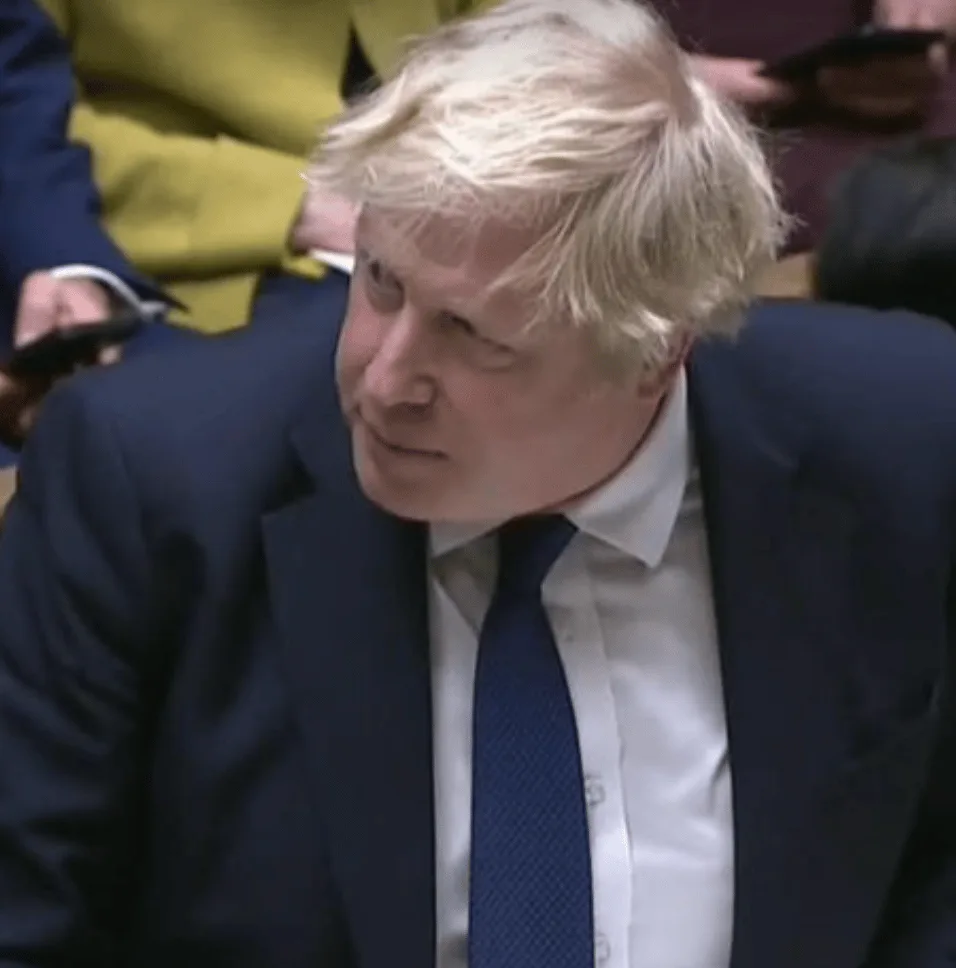
The UK government is cutting the number of hotels used to house thousands of asylum seekers by half by January 2024. Home Office minister Robert Jenrick revealed the tough new plan in the House of Commons this week.
Goodbye to 50 Hotels – Asylum Costs Hit £8 Million Daily
Jenrick told MPs, “The first 50 of these exits will begin in the coming days and will be complete by the end of January, with more tranches to follow shortly.” The move aims to reduce the eye-watering £8 million daily bill for accommodating around 47,500 people in hotels across the country.
The government insists it will manage the transition smoothly to avoid chaos in local communities. Alternative accommodation options include barges and disused army bases as part of a wider strategy to curb illegal immigration.
Politically Charged Closures Tied to Tory Election Targets
Reports claim the hotels marked for closure are in areas the Tories want to win at next year’s general election. Financial Secretary Victoria Atkins pointed to a 25% drop in illegal crossings compared to last year as evidence the system is working.
However, critics argue the drop is down to harsher weather, not policy. Jenrick countered: “This year’s weather has been more favourable than in 2022.” Still, more than 21,000 migrants have crossed the Channel so far this year.
From Hotels to Barges: Govt Explores New Housing Options
Asylum seekers living in hotels is deemed unsustainable by ministers and taxpayers alike. The government is looking to replace hotels with floating accommodation like the Bibby Stockholm barge in Portland, Dorset, and other facilities.
Alongside new housing solutions, London is pursuing tough measures including talks with international partners and controversial plans to deport asylum seekers to Rwanda, aiming to tackle spiralling immigration and costs head-on.