Hundreds of pro-Palestine activists storm Westminster Bridge in major New Year protest
Mass Sit-In Shuts Down Central London
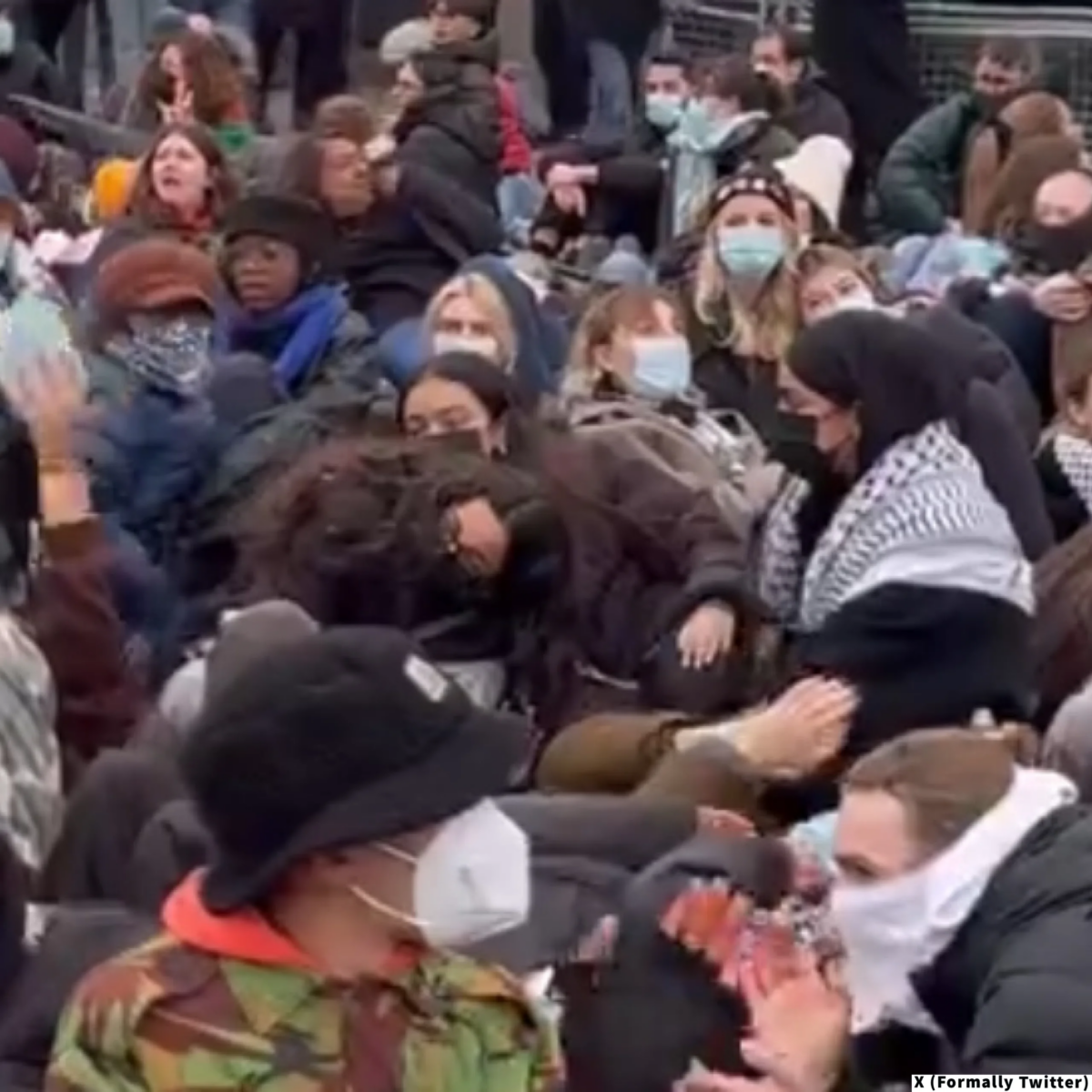
Pro-Palestine campaigners kicked off the year with a bang, staging a massive sit-in that blocked Westminster Bridge and nearby roads, causing traffic chaos in central London. The Free Palestine Coalition led the demonstration, which began with a march from St James’s Park on Saturday.
Calls for Immediate Gaza Ceasefire and UK Arms Ban
The passionate crowd demanded an immediate ceasefire in Gaza, urged the UK to stop arms sales to Israel, and called for an end to the Israeli occupation of Palestine. Protesters gathered from 10am at a St James’s Park drinking fountain before marching through Westminster towards Big Ben.
Tensions Flare as Police Arrests Made
Metropolitan Police attempted to disperse the marchers, leading to several arrests and heated scuffles. Clashes broke out shortly after an NHS doctor, rallying the crowd with a loudspeaker, was confronted by officers.
Powerful Symbols Highlight Human Cost
During the peaceful sit-in, protesters wore face masks depicting Prime Minister and US President Joe Biden. Many held up hands smeared in red paint—a stark symbol of the human toll of the Israeli-Hamas conflict. Enclosed on three sides by police lines, demonstrators vowed to keep spotlighting the urgent humanitarian crisis in Gaza.