Travellers, beware! Charging your phone at airport USB ports could land you in hot water. Jae Ro, Marketing Manager at SIGNAL + POWER, a top plug adapter maker, warns the snacks and USB combos come with hidden digital dangers.
Malware Mayhem Lurking at Public Ports
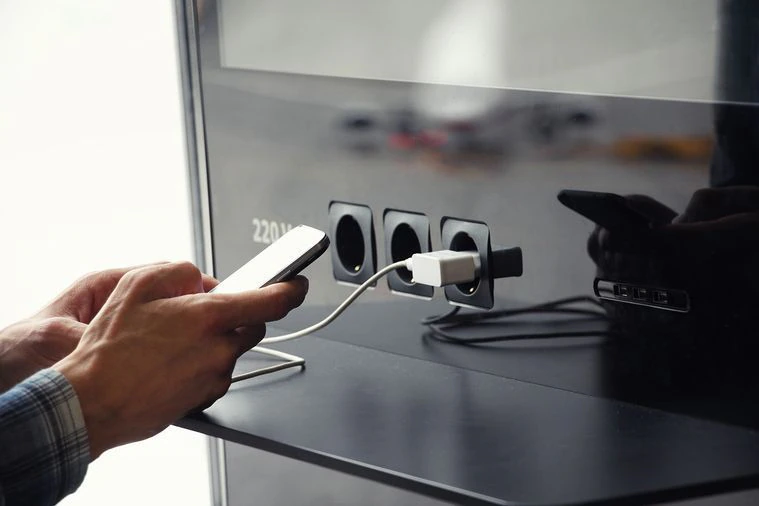
Sure, those USB ports at airports are a lifesaver when your phone’s about to die. But according to Ro, they’re a prime target for cyber crooks.
“These public USB ports can be easily tampered with to install malware that runs quietly in the background, stealing sensitive info like passwords and bank details,” he says.
Juice Jacking: The Airport Hack You Can’t See
Ro reveals a nasty trick called ‘Juice Jacking’. Criminals rig charging stations to fool your phone into thinking it’s connected to a safe device. Once hooked, they can swipe your personal data – from passwords to credit card info – even after you’ve left the terminal.
Data Exposure Risks Even Without Hacks
You don’t need a hacker’s modification for your data to be at risk. Charging stations transmit both power and data. Despite your phone’s prompt to “Charge only,” public stations often bypass these settings, leaving your data exposed to interception.
Stay Safe with These Charging Tips
- Carry a Portable Charger: Keep a personal power bank handy to avoid public USB ports entirely.
- Choose Trusted Outlets: Opt for wall sockets over sketchy USB ports when charging your phone.
- Disable Data Transfer: Always say no to file transfers before plugging into public chargers.
- Use Data Blocker Cables: These clever cables block data flow, letting only power through.
With travel on the rise, don’t let your phone’s battery drain put your private info at risk. Follow Ro’s advice and keep your data safe while on the go.