Over 600,000 Young Brits Sitting on Forgotten Cash Pots!
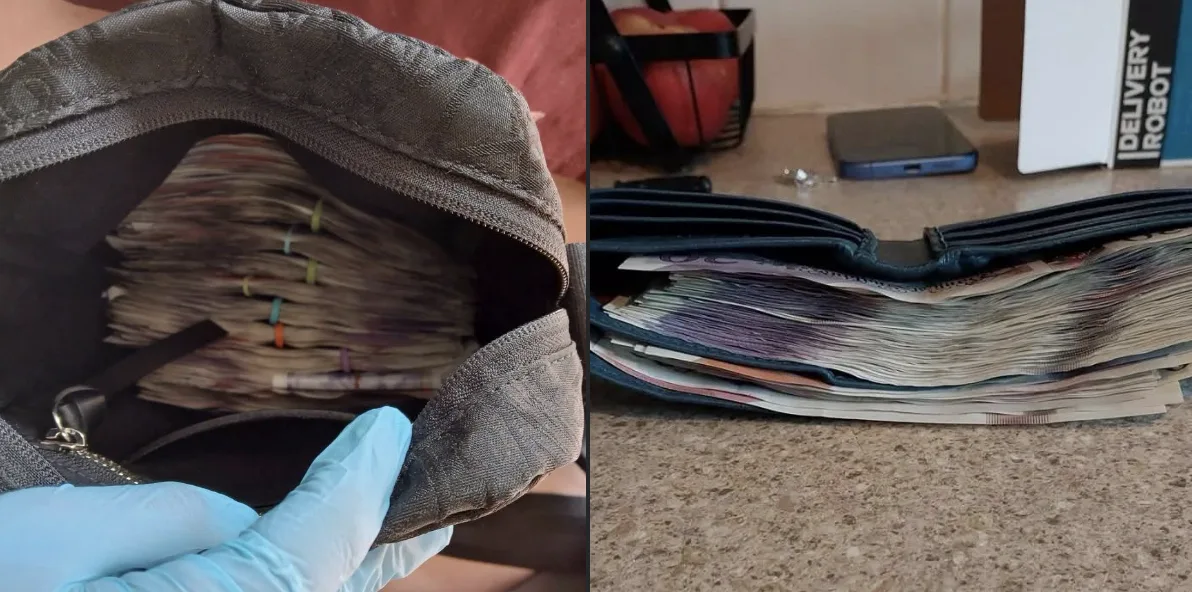
HM Revenue and Customs (HMRC) is sounding the alarm. More than 671,000 young adults aged 18 to 22 could be missing out on Child Trust Funds (CTFs) worth an average of £2,212 each. That’s serious cash just lying around – and many don’t even know it’s theirs!
What Are Child Trust Funds?
- CTFs were set up for children born between September 1, 2002, and January 2, 2011.
- The government kickstarted each account with around £250.
- Children from low-income families or in local authority care received an extra £250 boost.
- The money was meant to grow and could be accessed when the child turned 18.
Sounds great, right? But here’s the catch – many young adults have forgotten about these accounts or never knew they existed.
HMRC Urges Young People: Claim Your Cash Now!
“Thousands of Child Trust Fund accounts are sitting unclaimed – we want to reunite young people with their money and we’re making the process as simple as possible. You don’t need to pay anyone to find your child trust fund for you,” said Angela MacDonald, HMRC’s deputy chief executive.
She advises young adults to search “find your child trust fund” on gov.uk. If you know your provider’s name, you can contact them directly. Otherwise, an online government tool will help locate your savings – just have your National Insurance number and date of birth ready.
Beware of Middlemen Charging Fees!
The CTF scheme ended in January 2011, replaced by Junior ISAs, but the funds remain. Watch out for third-party agents offering to track down your money. HMRC warns these services can come with hefty fees that cut deep into your savings.
The best advice? Claim your money for free using HMRC’s official service.
Your forgotten fortune awaits—don’t let it slip through your fingers!