The government’s high-profile grooming gangs inquiry has hit utter chaos. A fourth survivor has quit the victims’ panel in shock after uncovering the backgrounds of the two shortlisted chairs — sparking fears the investigation is doomed from the start.
Shock Resignation Rocks Starmer’s Inquiry
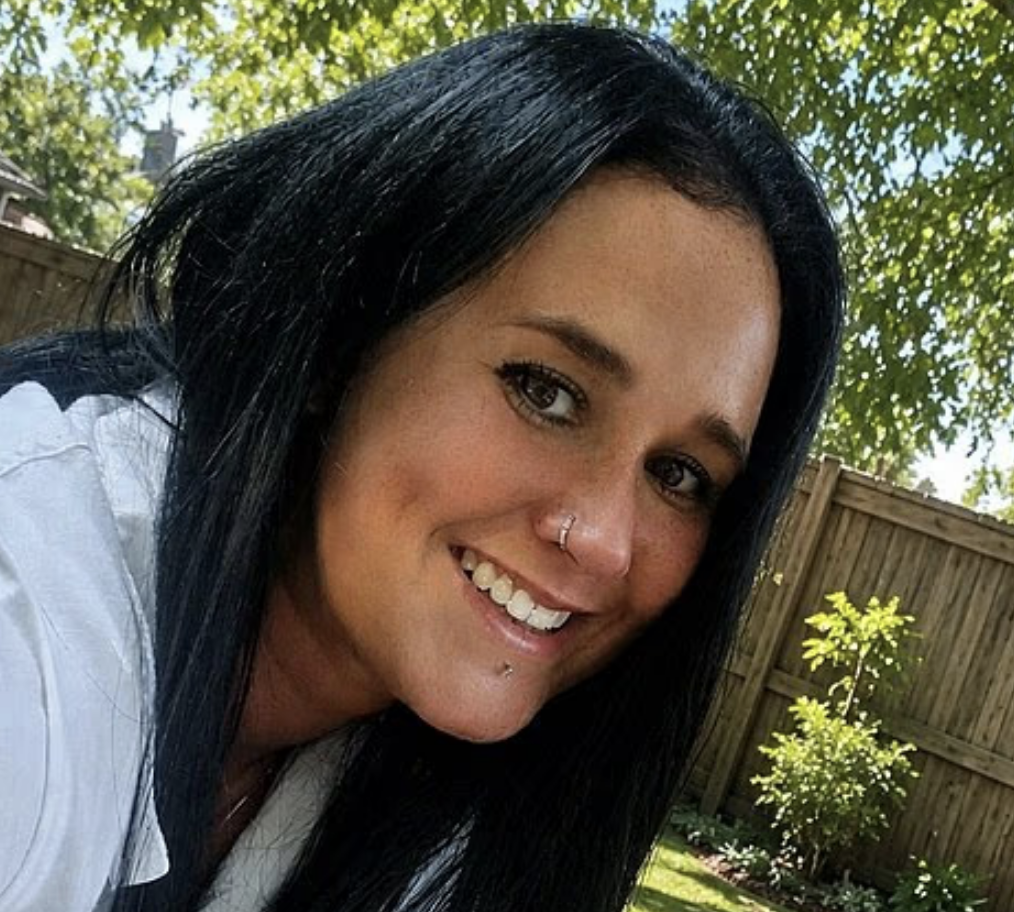
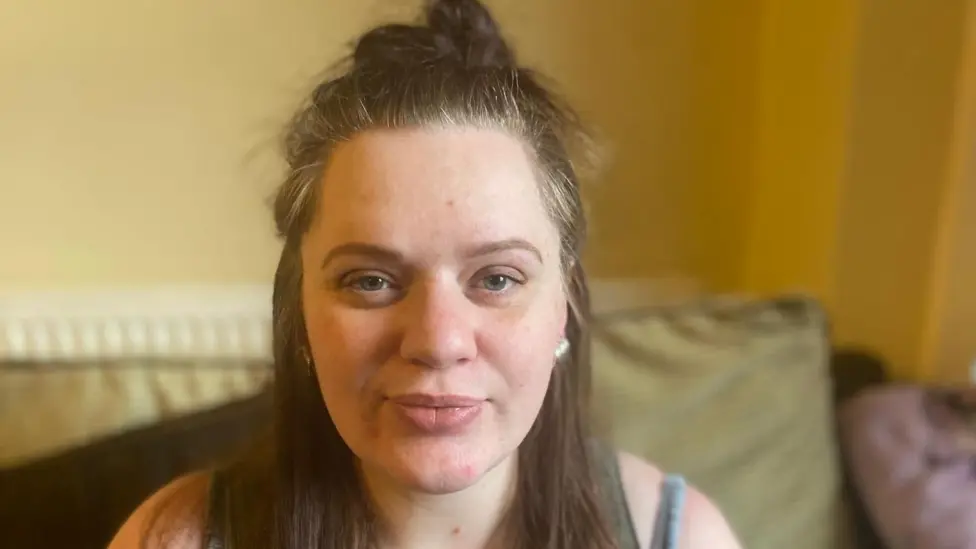
Jessica, a survivor from West Yorkshire who helped convict multiple abusers, pulled out last night. She was stunned to discover the frontrunners to lead the probe were ex-police officer Jim Gamble and former social worker Annie Hudson.
Her resignation marks the fourth in just days, casting serious doubt over Keir Starmer’s promise to deliver justice for thousands of children betrayed by institutions for decades.
Jessica told GB News: “When I found out the two potential chairs were a former police officer and a former social worker, I was shocked and I didn’t know how they could be involved.”
Jessica’s concerns echo those of previous quitters Fiona Goddard, Ellie-Ann Reynolds, and another survivor, Elizabeth — all protesting the irony of having leaders from the very institutions that failed them running the inquiry.
Annie Hudson Quits Amid Media Storm
In a dramatic twist, Annie Hudson withdrew before surviving interviews, blaming intense media pressure. As a former director of children’s services for Lambeth and bristol/" title="Bristol" data-wpil-keyword-link="linked">Bristol councils, she faced fury from survivors accusing social services of covering up widespread abuse.
This leaves Jim Gamble as the only known frontrunner, but he faces fierce opposition from survivors too.
Survivors Fear Inquiry Is Being Watered Down
Jessica accused officials of dodging “uncomfortable truths” to avoid sparking racial tensions. “I feel like they’re scared of being criticised and called racist and they don’t want to upset communities,” she said. “There needs to be some accountability for what these people did to us.”
Survivors are also worried the government is broadening the inquiry’s remit beyond grooming gangs to general child sexual exploitation—a shift many say risks diluting the focus on the ethnic and religious factors central to the crimes.
Jessica insisted: “This needs to be specifically based on grooming gangs. We’ve never had a proper investigation into just grooming gangs.”
Political Interference and Broken Trust
Safeguarding Minister Jess Phillips denied claims of broadening the inquiry and branded critics as spreading “misinformation,” deepening divisions with survivors.
Fiona Goddard slammed the appointment of insiders from failed services as a “disturbing conflict of interest,” warning it would destroy survivor trust. She demanded a judge-led inquiry instead.
Adding to the chaos, some panel members were blocked from meeting chair candidates, sparking outrage over secrecy and fairness.
Ellie-Ann Reynolds said: “The Home Office held meetings we weren’t told about, made decisions we could not question, and withheld information that directly affected our work.”
Both Goddard and Reynolds accused the government of political meddling to water down the findings, citing worrying links between panel members and Labour ministers.
Lawyer Richard Scorer warned: “Political interference at such an early stage… does not bode well.”
Shadow Home Secretary Chris Philp slammed the inquiry as “watered down” and called for a senior judge to lead, not insiders “marking their own homework.”
Four Months In and Still No Chair
The inquiry, launched in summer 2025 following Baroness Casey’s damning audit, still lacks an official chair and clear terms of reference. This fuels suspicions of either incompetence or deliberate stalling.
Home Office claims that the process is “ongoing” and focused on justice seem shaky as survivors continue to quit and candidates pull out.
With trust shattered and confidence crumbling, can the government rescue this scandal-hit probe — or is this yet another cover-up hiding behind a hollow inquiry?