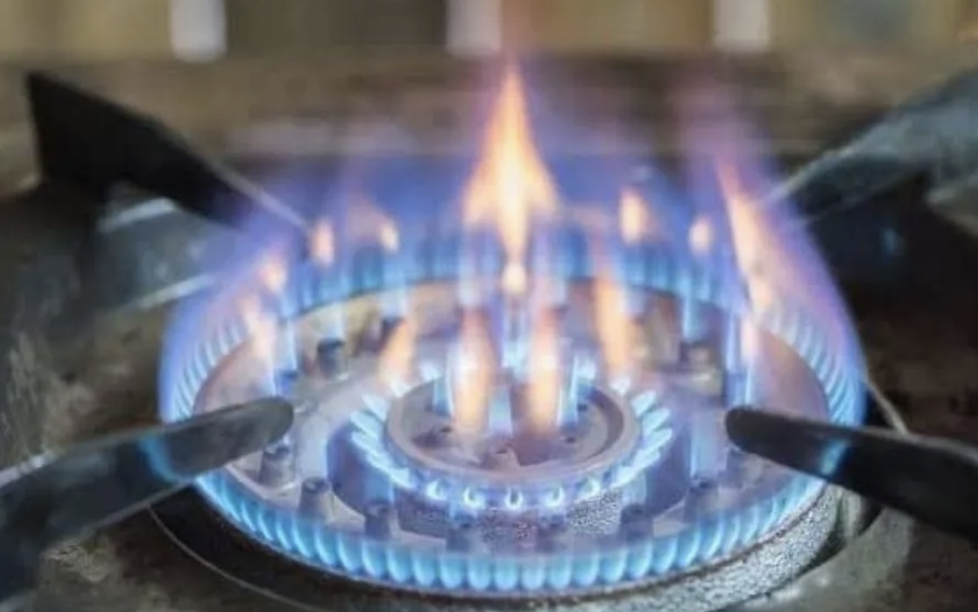
Britain on the Brink as Gas Reserves Crash to Just 1.5 Days’ Supply
The UK’s energy security is teetering on the edge. National gas reserves have nosedived to a shocking 1.5 days’ worth of supply amid rising Middle East tensions. While Europe’s neighbours bulk up on supplies, Britain risks being left out in the cold as global energy markets spiral.
Middle East Mayhem Chokes UK Gas Supplies
The energy crunch is fueled by chaos in the Middle East. Qatar has shut its key Ras Laffan gas hub after attacks from Iran, while Iran’s near-blockade of the Strait of Hormuz—a vital channel for 20% of the world’s oil and gas—has stranded hundreds of vessels.
“Hundreds of vessels are stranded as Iran’s Revolutionary Guard threatens to ‘set ablaze’ any Western tanker daring to enter the strait,” warn industry insiders.
UK gas prices have surged above Europe’s Dutch TTF benchmark for the first time in months. Natasha Fielding, head of gas pricing at Argus Media, said: “Britain’s low storage leaves it exposed to price shocks and forced to outbid rivals for imports. A cold snap would make this far worse.”
Government Cuts Worsen Energy Crisis
Britain isn’t just battling global supply issues — years of government cuts have slashed storage capacity from enough gas to cover 12 days to barely 1.5. This leaves the nation dangerously vulnerable to shortages and price hikes.
Oil Prices Skyrocket as Crisis Deepens
- US crude rockets 36% this week to $90.90 per barrel
- Brent crude jumps 27% to $92.69 per barrel
- Goldman Sachs warns $100+ oil if Strait of Hormuz stays closed
- Fuel prices could smash records set in 2008 and 2022
Professor Mohamed El-Erian, speaking on BBC Radio 4, warned Brits to brace for soaring energy bills and rising costs across the board as supply chain shocks bite.