Passengers face delays and cancellations after a technical failure in the system used to process UK flight plans
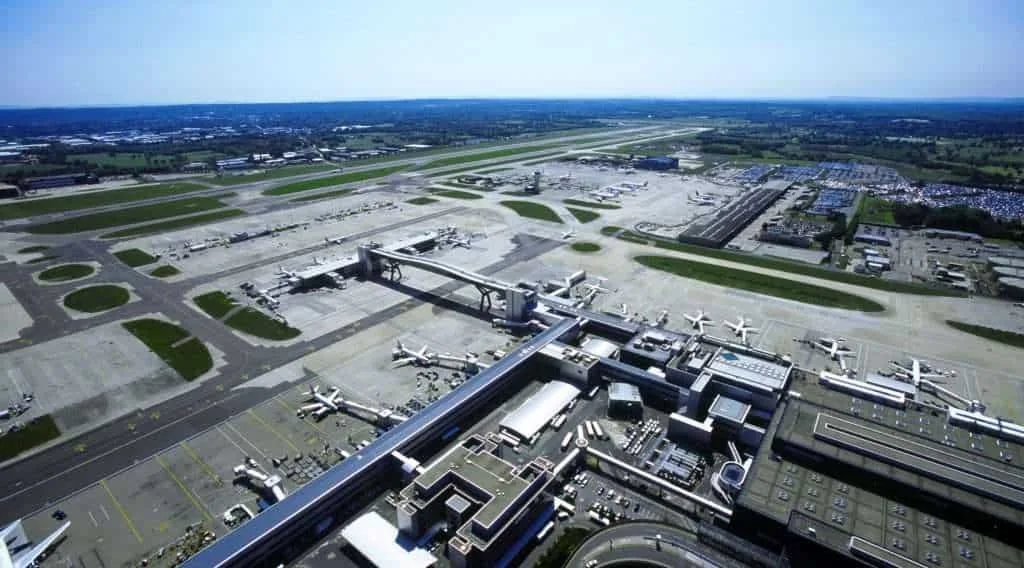
Passengers travelling through Gatwick and airports across the UK have faced widespread delays and cancellations after a technical failure at the country’s air traffic control provider brought parts of the Aviation network to a standstill.
The disruption began shortly before 2pm on Tuesday, with departures affected at Gatwick, Heathrow, Stansted, Manchester and other airports.
National Air Traffic Services (NATS), which provides air traffic control services across the UK, initially described the problem as a technical issue before confirming that the fault was in its flight-processing system.
NATS said engineers had implemented a fix and that the system was beginning to recover. However, the restoration of the system did not immediately clear the backlog of aircraft and passengers built up during the afternoon.
At Gatwick, disruption was particularly visible as flights were held or delayed while restrictions were imposed on the number of aircraft that could enter the system. Reuters reported that around 31% of Gatwick flights were delayed during the disruption.
The impact extended well beyond London. Manchester, Birmingham, Edinburgh, Glasgow, Aberdeen, Belfast and other airports were affected, while disruption also spread to flights operating to and from Dublin.
By Tuesday evening, reports put the number of cancelled flights across the UK at close to or above 300, with some later estimates exceeding 400 as airlines updated their schedules. The precise figure is likely to change as carriers continue recovering their operations.
Gatwick passengers warned of knock-on delays
For passengers at Gatwick, the immediate technical fault was only part of the problem.
Once flights are held on the ground, aircraft and crews can quickly become displaced from their planned schedules. A late departure from one airport can therefore become a late departure several hours later and potentially affect another airport altogether.
Airlines including British Airways and easyJet reported disruption, while passengers were advised to check directly with their airline before travelling to the airport.
Although the NATS system has begun recovering, that does not mean the timetable immediately returns to normal. Hundreds of aircraft movements have to be reorganised, with airlines attempting to find aircraft, crews, slots and alternative arrangements for passengers.