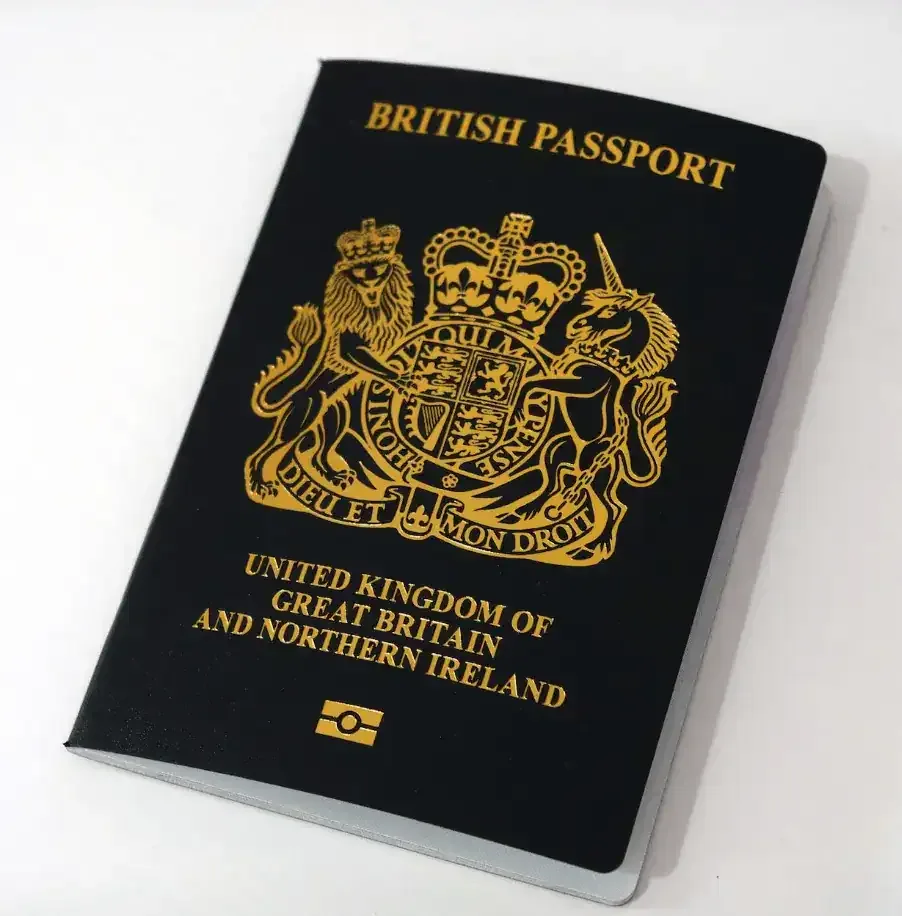
Passengers travelling by ferry between Britain and the Republic of Ireland are now being required to show a valid passport before they are allowed to board.
The new policy affects millions of passengers using ferry services between the two countries, including routes from Holyhead, Fishguard and Pembroke Dock in Wales.
Previously, passengers were not routinely required to produce a passport and could sometimes travel using another form of photographic identification.
Ferry operators Stena Line and Irish Ferries introduced the new requirement from Monday, September 28.
Passengers without a passport could be refused boarding
The change does not alter the legal arrangements governing travel between the UK and Ireland.
Both countries remain members of the Common Travel Area, which means British and Irish citizens do not generally require a passport as an immigration requirement when travelling between the two countries.
Instead, the passport requirement is being imposed by ferry companies as a condition of boarding.
Stena Line said passengers who do not have their passport with them will not be permitted to board.
The operator said it had introduced the change to meet requirements relating to the accuracy and integrity of passenger information supplied before departure.
UK Border Force has reportedly said the decision to require passports was made by the ferry operators.
Around 2.5 million passengers affected
The policy could affect around 2.5 million passengers, including motorists, coach passengers and lorry drivers using ferry connections between Britain and Ireland.
Tour operators have already reported cancellations from passengers who do not hold valid passports.
The requirement applies at the point of boarding rather than representing a new legal requirement to enter Ireland under the Common Travel Area.
Passengers planning to travel by ferry between Britain and the Republic of Ireland are being advised to check their documentation before setting off and ensure they have a valid passport with them.