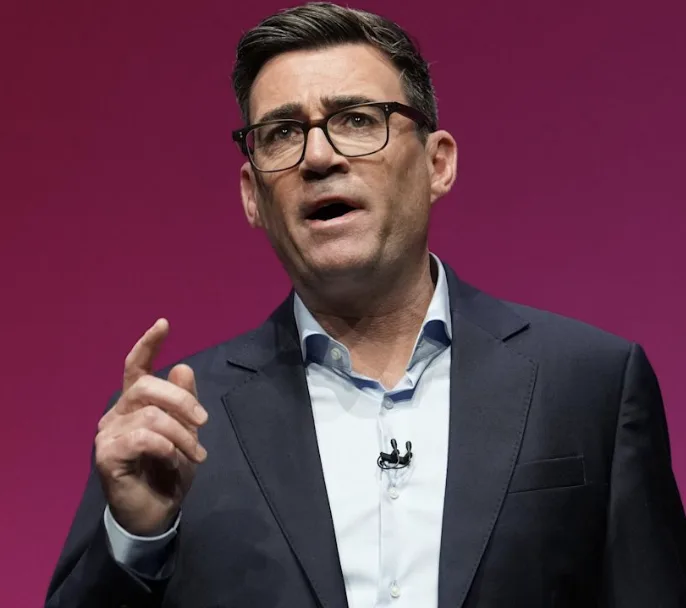
Prime Minister Andy Burnham has announced plans for free personal care for older people through a new National Care Service, alongside a major change to the State Pension Triple Lock from 2030.
Under plans announced by Downing Street on Tuesday, the existing Triple Lock will remain in place until April 2030.
After that, pensions would continue to increase by at least 2.5% or inflation, whichever is higher, while a new mechanism would be designed to ensure the State Pension keeps pace with earnings over the longer term.
The Government says savings resulting from the change will be used to help fund a new National Care Service, which it intends to establish during the next Parliament.
Free personal care planned for older people
Under the proposals, personal care would eventually be provided free to older people based on their needs rather than their ability to pay.
This would include assistance with everyday activities such as eating, bathing and using the toilet.
However, the proposals would not make all residential care costs free.
People requiring residential care could still be responsible for bed and board costs, with existing means-tested council contributions continuing.
The Government says existing protections would also remain, including excluding the value of a person’s home from financial assessments where a partner or dependent relative continues to live there.
Deferred payment agreements would also remain available for eligible people.
What happens to the State Pension Triple Lock?
The existing Triple Lock increases the State Pension annually by the highest of inflation, average earnings growth or 2.5%.
Downing Street says the existing system will remain throughout the current Parliament and until April 2030.
The Government says this will increase the State Pension by more than £2,000 over the course of the Parliament.
From April 2030, the proposed replacement would guarantee an annual increase of at least:
- 2.5%; or
- inflation, if higher.
There would additionally be a mechanism intended to maintain the State Pension’s value relative to average earnings over time.
The Government says this means pensions would still be protected during periods of high inflation and would track earnings over the longer term, although they would no longer automatically receive the existing annual earnings component of the Triple Lock in the same way.
The Government intends to legislate for the change during this Parliament.
Government expects billions in pension savings
Downing Street estimates that adjusting the Triple Lock could reduce State Pension expenditure by around £15 billion a year by the end of the 2030s, increasing to around £50 billion annually by 2050.
The Government says those savings would provide a route towards funding the National Care Service without borrowing.
Exactly how and when the new care system would be introduced has not yet been determined.
Instead, Baroness Casey’s independent commission has been asked to recommend how the National Care Service should be built and introduced.
Its report is expected in summer 2027.
The Government previously announced that the commission’s timetable was being accelerated and set out principles including sustainable funding, prevention and closer integration between hospitals, home care and community services.
National Care Service to be introduced in stages
The proposed service would not begin at full scale immediately.
Downing Street says it would be introduced in phases as funding became available and sufficient workforce and provider capacity was developed.
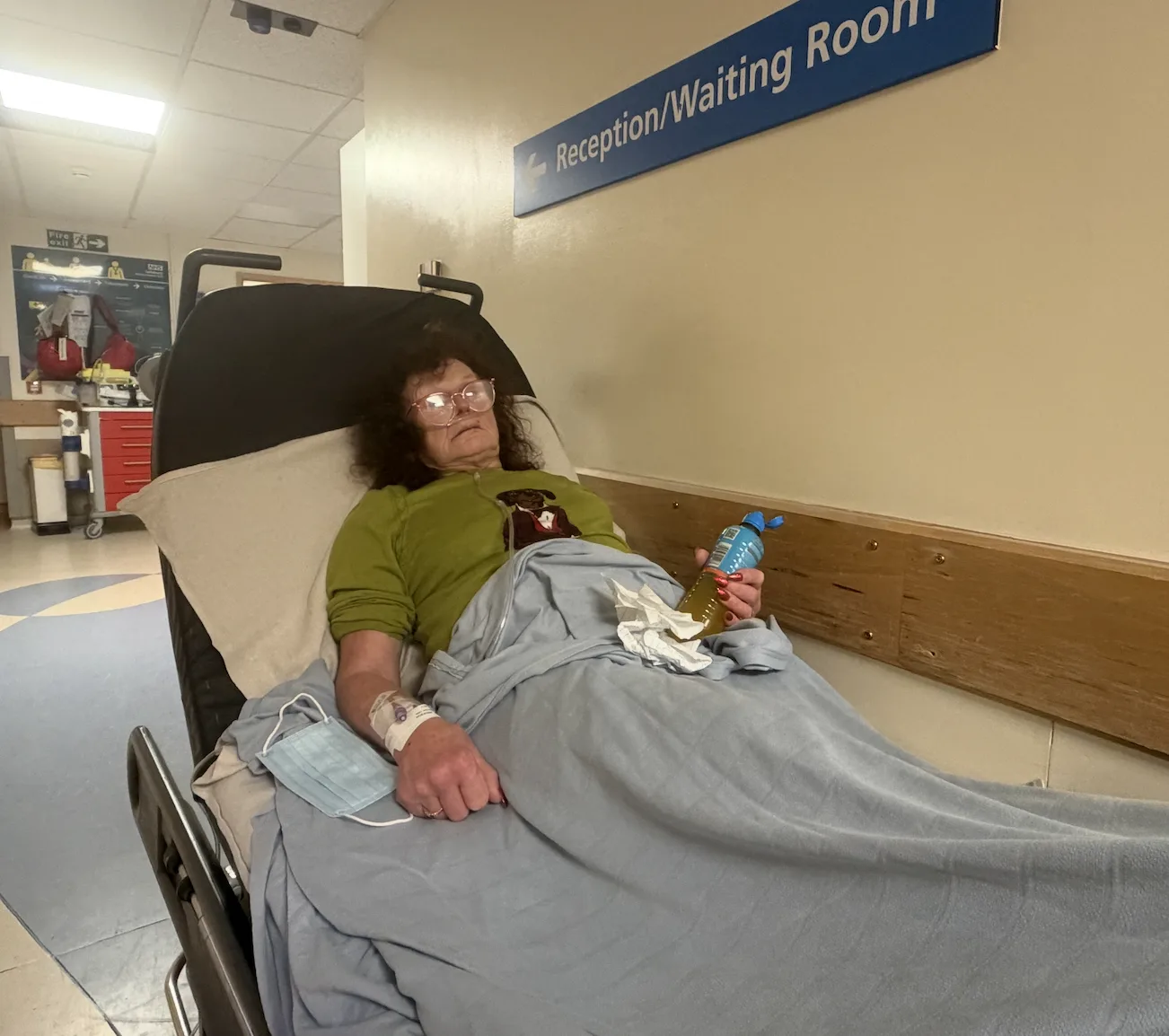
The Government argues reform is necessary because failures in social care also place pressure on the NHS, including through delayed hospital discharges where suitable care cannot be arranged at home.
According to figures cited by Downing Street, around three-quarters of adults aged over 65 are expected to require some form of care and support in later life, while one in seven could face costs exceeding £100,000.
Those figures form part of the Government’s case for changing the way social care is funded.
The detailed design, timetable and implementation of the National Care Service will now depend partly on recommendations from Baroness Casey’s commission.