Slavery Gang Jailed for 12 Years in Groundbreaking Human Trafficking Case
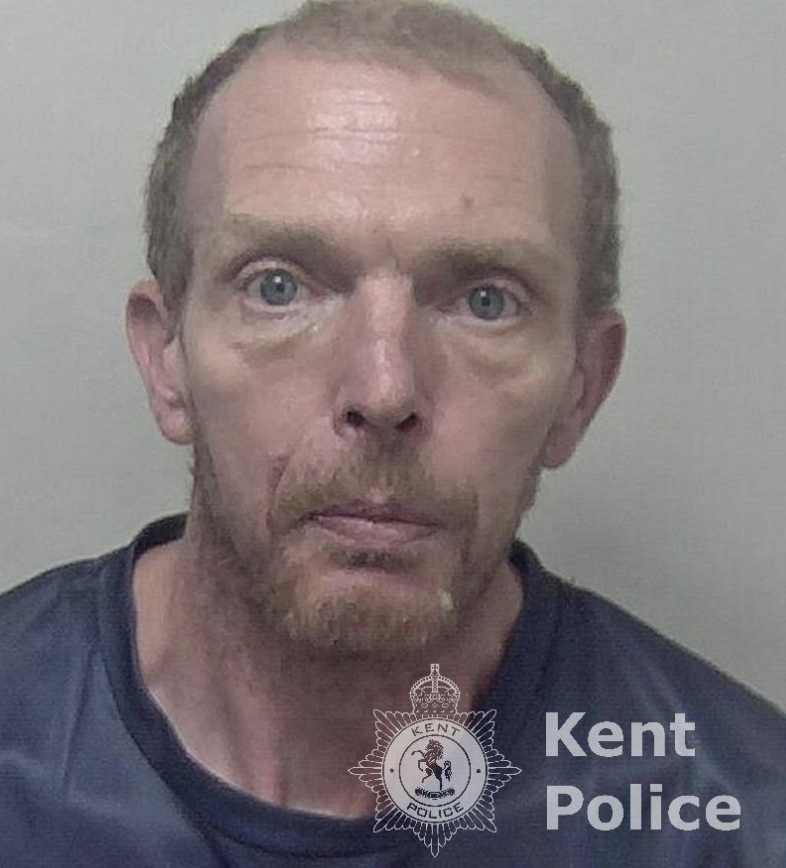
Three London gang members have been locked up for more than 12 years each after exploiting vulnerable youths to run ruthless drug lines in Hampshire. The landmark prosecution under Modern Slavery laws sees Michael Karemera, Dean Alford, and Glodi Wabelua sent to prison for trafficking offences linked to county lines drug dealing.
Gang Exploited Vulnerable Youths for Drugs Business
At Inner London Crown Court, 25-year-old Michael Karemera from Lewisham received five years for three trafficking charges. Dean Alford, 25, of Canterbury, got four years for two counts. Tottenham’s Glodi Wabelua, also 25, was jailed for three and a half years for one count.
Each man was slapped with a tough 15-year Slavery and Trafficking Prevention Order (STPO) on release. These restrict their use of phones, SIM cards, and computers — the very tools they used to run their drugs empire. They’re also banned from driving with under-18 passengers, except family, and must register their addresses and devices with police.
Harsh Control, Terrifying Threats
The gang groomed and trafficked six victims from south London, forcing them to ferry and sell class A drugs across Portsmouth and Hampshire. Victims were controlled via mobile orders, meeting dealers late at night to restock product and earn thousands daily.
One victim told the court how Karemera’s associates stripped him naked and threatened to shoot him if he tried to escape the brutal lifestyle. The gang operated three major phone lines under branded names — ‘Duffy’ (Alford), ‘Mitch’ (Karemera), and ‘Fly’ (Wabelua) — handling up to 300 drug orders a day from users.
Lengthy Investigation Finally Pays Off
Operation Pibera, led by the Met’s Trident and Area Crime Command, ran a five-year investigation into the traffickers after Hampshire Police spotted the signs in 2014. Using DNA and phone data, officers proved the trio’s reign over the county lines.
Acting Detective Inspector Simon French praised the conviction:
“This sends a clear message to criminals exploiting young, vulnerable people that we will bring you to justice. Restricting their technology use after release cuts off the tools they used to commit these crimes.”
The drugs supply charges were already dealt with at Woolwich Crown Court in 2016, with lengthy sentences imposed consecutively. Now, the human trafficking convictions bring further jail time.
Officials Praise Joint Efforts, Warn Others
Tim Champion, safeguarding lead of the National County Lines Coordination Centre, said:
“Exploiting vulnerable children is unacceptable. This case shows the power of partnership working to tackle this complex criminal behaviour.”
DAC Duncan Ball from the Metropolitan Police added:
“These convictions send a strong message. We will use all available laws to crush county line criminals exploiting vulnerable young people.”
Prosecutor Kate Mulholland highlighted the rarity of the landmark ruling:
“It’s one of the few cases holding drug dealers to account for exploiting teenage couriers. We protected the victims from giving evidence thanks to covert operations and phone data.”
This case marks a vital step in using modern slavery legislation to hit county line gangs hard—making the streets safer for Britain’s vulnerable young people.