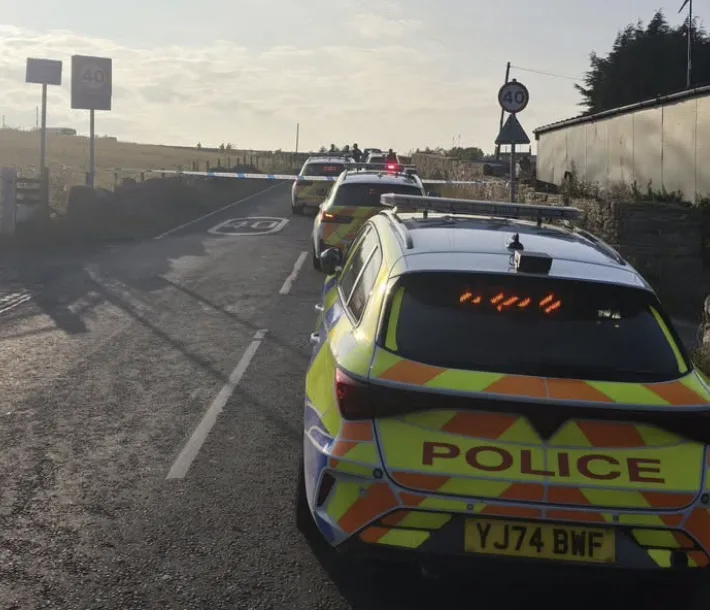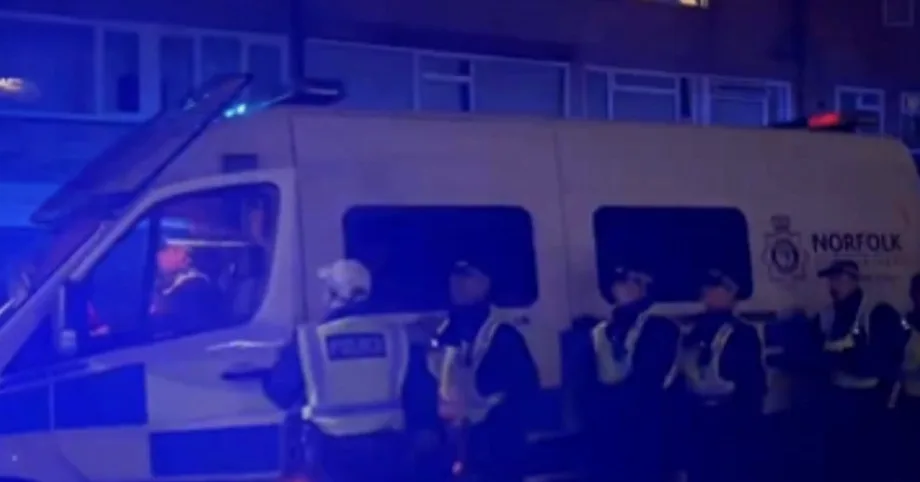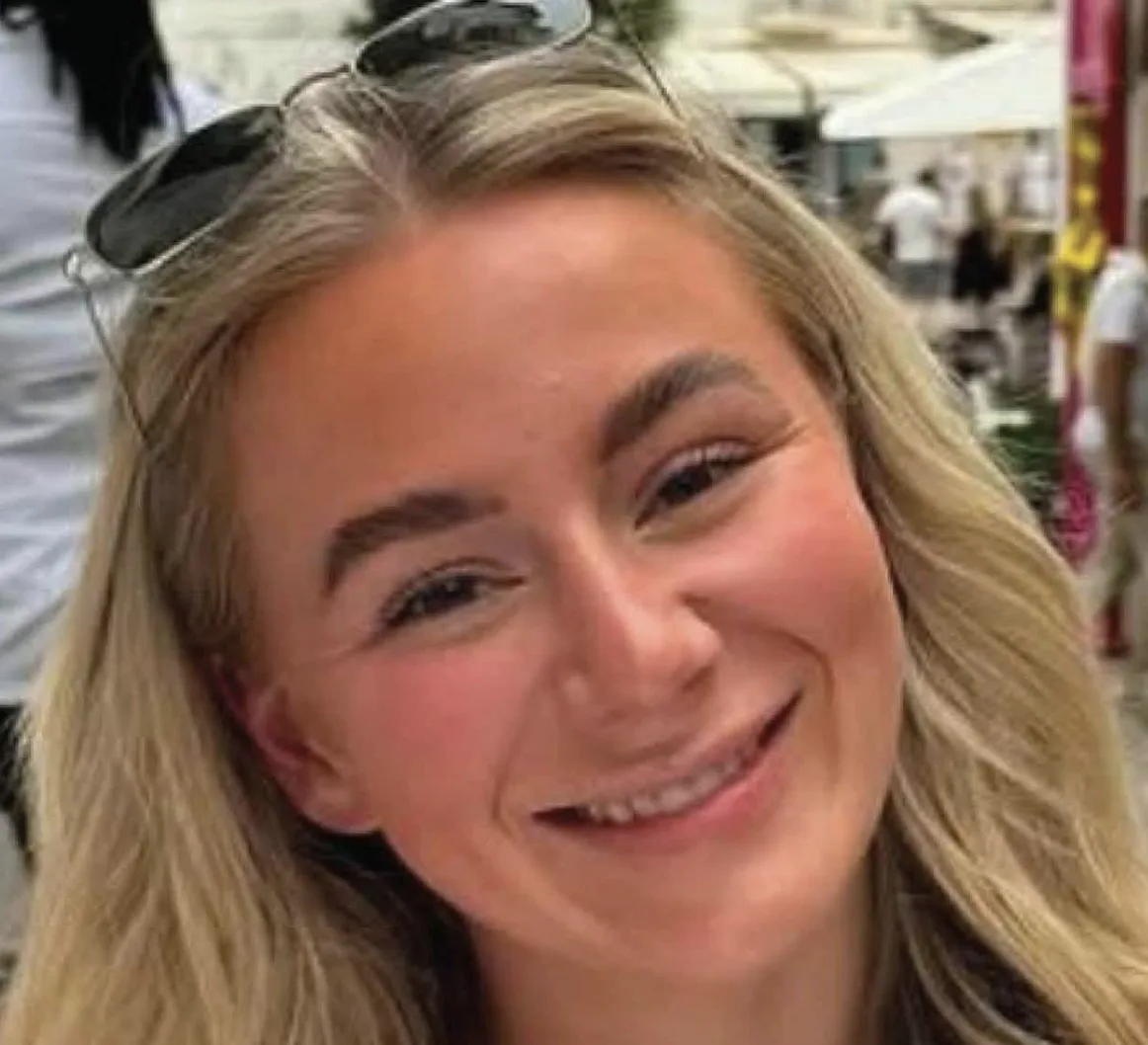
Panic grips Lowestoft after false missing boy alert sparks social media frenzy!
False Alarm Sends Town into Overdrive
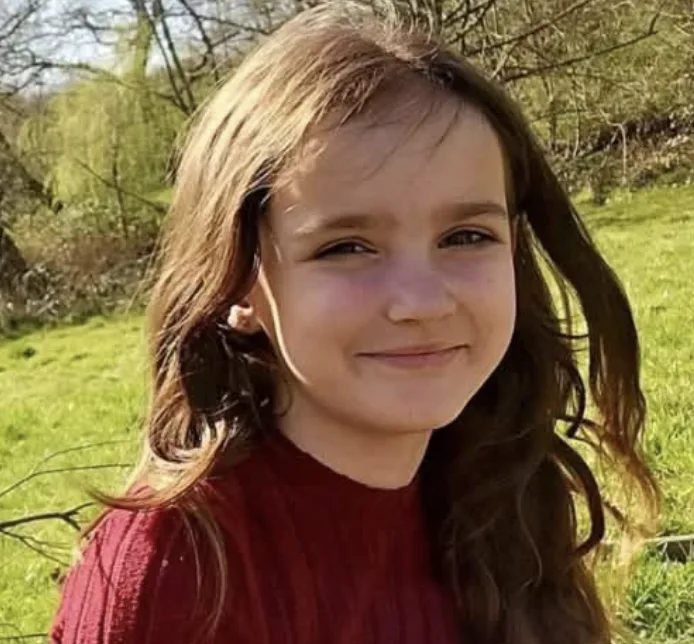
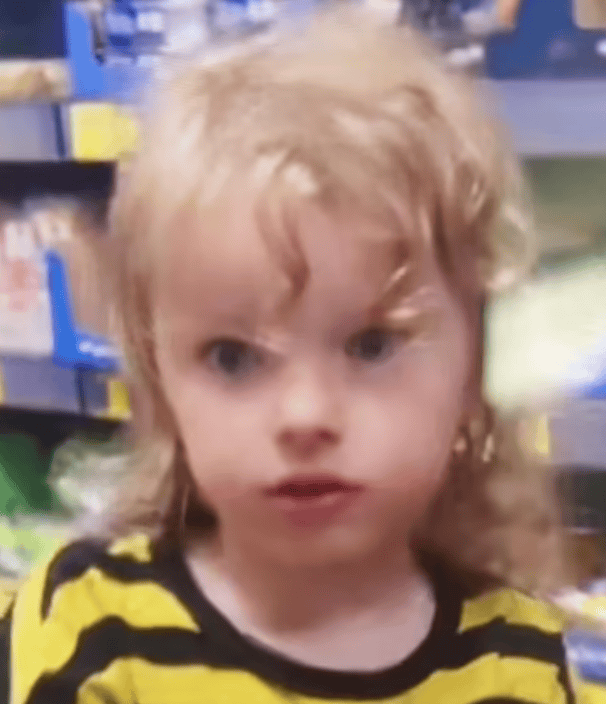
Chaos erupted in the Suffolk seaside town this morning following a bogus claim that four-year-old Quinton had vanished from Sands Lane. The alarming post on X (formerly Twitter) quickly blew up, racking up nearly 350,000 views and spreading like wildfire across major news outlets.
But shockingly, the boy’s father stepped in to clear the air:
“Quinton is my son and has been home with me the whole time. Can you please delete this now?” he pleaded.
The Full Story: What Really Happened?
- Time of Incident: Morning of 13 May
- Location: Sands Lane, Lowestoft
- The Claim: Four-year-old Quinton had gone missing
- The Reality: Boy was safe at home throughout
How the Hoax Went Viral
The frenzy was fuelled by emotional headlines and unchecked claims tapping into deep public fears about child safety. A 2023 University of Cambridge study shows fake news spreads six times faster than verified facts—especially when kids are involved.
Father Steps in to Calm Storm
The timely response from Quinton’s dad helped end the uproar. He revealed even the local police had taken down false alerts.
“Even the police have taken it down. I don’t want people to keep panicking when they see this when he is fine.”
Local forces, believed to be Suffolk Constabulary, removed the alert, though no official statement has been issued.
Public Backlash & Media Accountability
Social media users blasted the premature coverage:
“Thank goodness he’s safe—but this is why fact-checking matters!” – X user “This is unacceptable journalism. Do better.” – Facebook commenter
The Independent Press Standards Organisation (IPSO) warns news outlets to verify sensitive stories, especially those involving children.
The Real Risks of Fake News
- Diverts vital police resources
- Creates unnecessary public hysteria
- Causes emotional distress to families
The NSPCC highlights how false reports can trigger severe distress, especially among vulnerable groups.
How to Spot & Stop Hoaxes
Experts advise:
- Always check source credibility
- Look for official confirmation from police or authorities
- Think twice before sharing emotional stories
The UK Safer Internet Centre urges users to report misleading posts and spot “red flags” in viral news.
Final Word: What Lowestoft’s Scare Teaches Us
This drama is a powerful reminder of social media’s double-edged sword. A single false post sparked needless fear—only debunked when the boy’s father spoke out. In today’s fast-paced world, accuracy isn’t just preferred—it’s critical.
Police have now officially confirmed Quinton is safe and well.