A proposal to replace the BBC television licence with an £11-a-month charge added to household broadband bills has been put forward as debate continues over the future funding of the broadcaster.
The plan, proposed by the Social Market Foundation think tank, would see households with a home internet connection contribute around £132 a year towards funding the BBC.
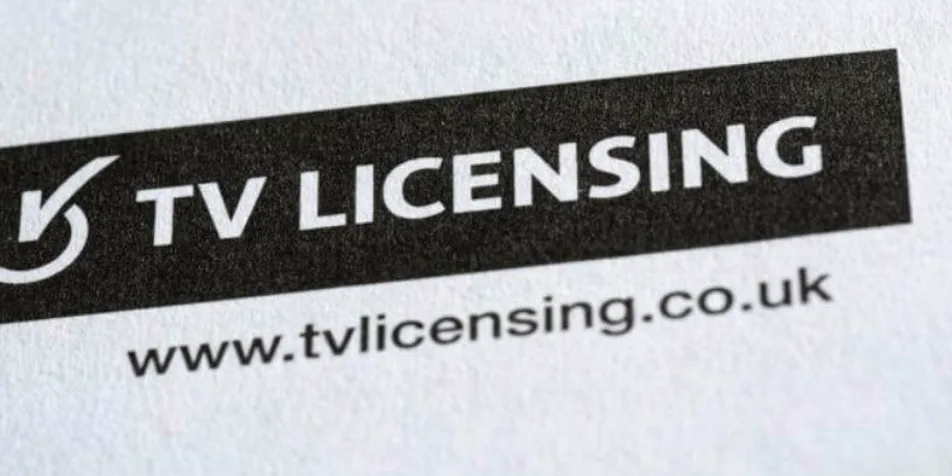
It would represent a significant change from the existing television licence system, under which a standard colour TV licence currently costs £180 a year.
Under the proposal, households could potentially pay the charge through their broadband provider rather than purchasing a separate television licence.
However, the £11-a-month broadband charge is not Government policy, and no decision has been made to introduce it.
The proposal comes as the Government considers the future of the BBC and how the broadcaster should be funded beyond the current Royal Charter.
The existing BBC Royal Charter expires at the end of 2027, with ministers carrying out a review ahead of the next Charter period.
The Government’s consultation has said that no preferred future funding model has yet been identified.
Ministers have also ruled out replacing the television licence with a new household tax, although possible reforms to the existing licence fee system and alternative ways of funding the BBC continue to be considered.
Culture Secretary Lisa Nandy told MPs in July that the Government had ruled out introducing a new household tax.
Any major change to the way the BBC is funded would therefore require further consideration as part of the Charter Review.
For now, households that require a television licence must continue to pay under the existing system.
POST EXTRA INFORMATION
The standard colour television licence currently costs £180 a year.
A television licence is generally required to watch or record programmes on any television service as they are being shown, and to use BBC iPlayer.
The proposed £11 monthly broadband charge would amount to £132 over 12 months — £48 less than the current annual television licence.
The proposal remains an idea put forward by a think tank and should not be confused with an announced Government plan.
The Government is expected to set out its approach to the BBC’s future funding through the ongoing Royal Charter Review.
What do you think? Would adding a charge to broadband bills be fairer than the current television licence, or should BBC funding remain based on whether people use its services?