Drivers Demand Hard Shoulders Back on Smart Motorways
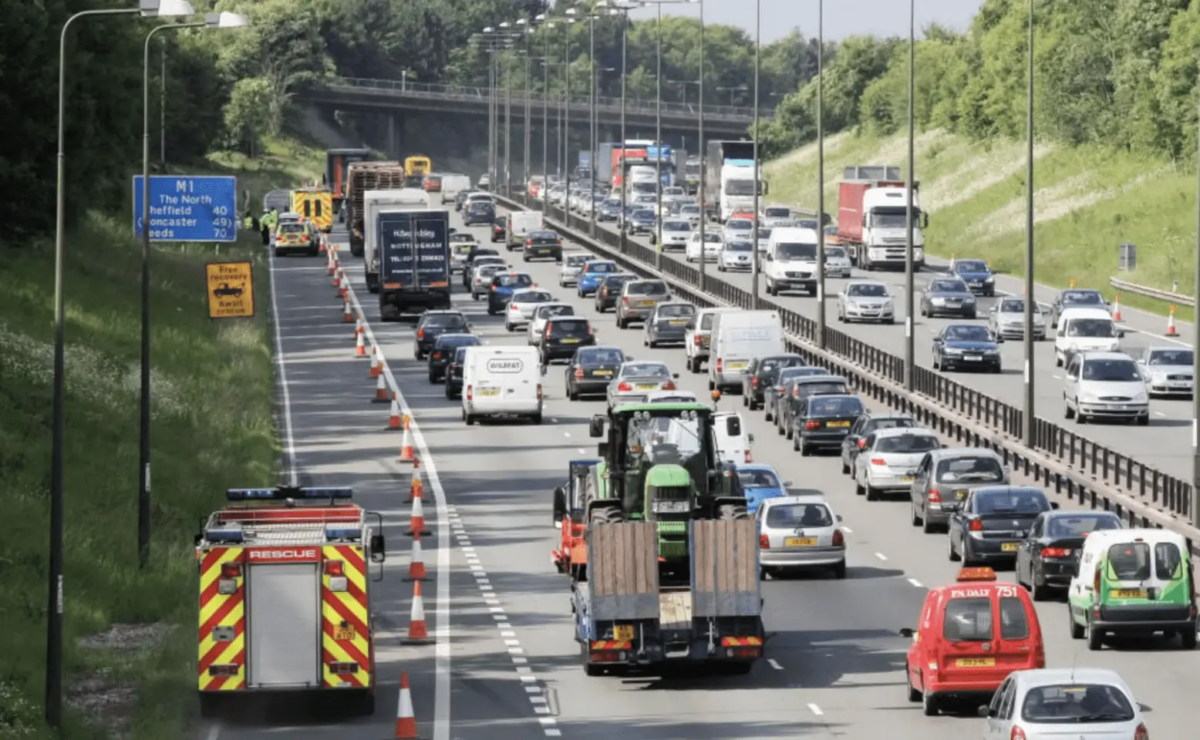
A whopping 69% of drivers want hard shoulders reinstated on the 235 miles of all-lane-running (ALR) smart motorways. This is despite the Government insisting yesterday that doing so would be too costly and disruptive, according to fresh research from the RAC.
Safety Concerns Grow as Government Refuses Reinstatement
The RAC says the Government’s recent decision to scrap 14 future ALR schemes must now be followed by bringing back the hard shoulder on existing stretches. The motoring group warns that anything less risks more needless fatalities on these controversial roads. Just 31% of drivers oppose restoring them.
“While we’re pleased the Government has cancelled future smart motorway schemes – preventing dozens more miles of hard shoulder disappearing – by the end of this year there will still be around 250 miles of motorway in England without hard shoulders,” said RAC road safety spokesman Simon Williams.
That’s 13% of the entire motorway network left vulnerable.
Drivers Not Buying Cost and Disruption Excuses
Williams added: “Extra refuge areas and radar tech to spot broken down vehicles are welcome, but most drivers feel it’s still not enough. Anyone unlucky enough to break down off the hard shoulder is left dangerously exposed.”
He slammed the Government’s claim that reinstatement would be “significant cost” and “too disruptive”. “Our research shows drivers aren’t buying that. Lots of public cash has already gone on these unpopular roads, but drivers want safety first.”
He pointed out the Government is already saving over £1 billion by dropping future schemes and urged immediate monitoring of congestion impacts if hard shoulders return.
Dynamic Hard Shoulders Could Be the Safer Middle Ground
Williams suggested a smart compromise: converting as many ALR stretches as possible into dynamic hard shoulder schemes like those on the M42, M4, and M5. Here, hard shoulders stay put most of the time and only open in rush hours to ease jams.
“These roads have a strong safety record and support from seven-in-10 drivers. Using red X signs to signal closure could boost safety even more,” said Williams.
He concluded: “The current patchwork situation with some motorways having hard shoulders and others not is simply unsustainable. Safety can’t take a back seat any longer.”