1. Not All Aftermarket Wheels Are Created Equal
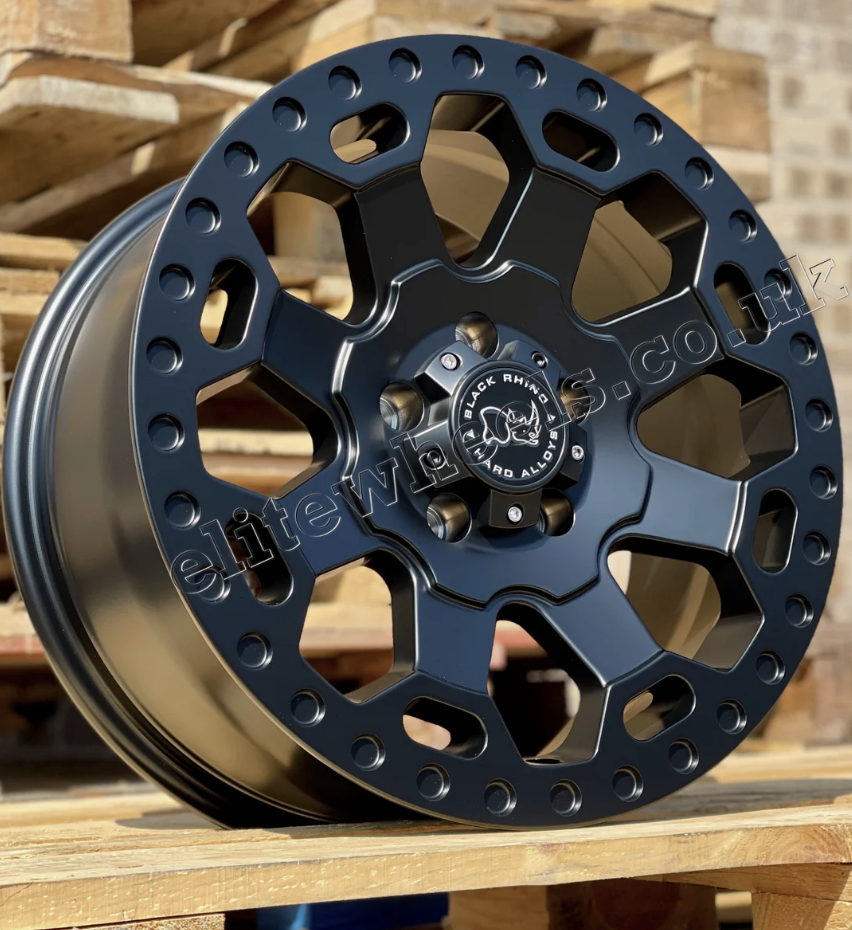
The quality of wheels differs a lot. Some are made to the same high standards as the original wheels, while others use low-quality materials or do not meet safety requirements. When buying aftermarket wheels, make sure they have a recognised safety certification. Also, ensure they match your vehicle’s load and speed ratings. You should not compromise on structural integrity. Always check the wheels before buying.
2. Fitment Matters
Getting the right fitment isn’t just about ensuring the wheel bolts onto the car — it’s about ensuring the wheel sit correctly within the arches and doesn’t interfere with brakes, suspension, or bodywork. Key measurements include the bolt pattern, offset, and centre bore. Many drivers overlook offset in particular, which determines how far the wheel sits in or out from the hub. If you’re unsure, a specialist retailer can help you confirm the correct specifications. Shop now at Elite Wheels & Tyres for aftermarket wheels that make regular commuting and weekend travel feel a little more enjoyable.
3. Weight Directly Affects Performance
Heavier wheels add to unsprung mass, which can affect suspension response and braking performance. Lighter alloys—especially aluminium — are preferred for this reason. When comparing aftermarket wheels, check the weight specification as well as the looks. The difference between heavy and light wheels can be noticeable, particularly on long motorway runs or winding country roads.
4. Tyre Compatibility Must Be Checked Separately
Fitting a new set of aftermarket wheels often means your existing tyres may not be compatible. A change in rim diameter or width usually requires a different tyre size, and getting this wrong can affect your speedometer reading, handling, and even your insurance cover. Always verify tyre sizing with a qualified fitter before committing to a wheel purchase and factor the tyre cost into your overall budget from the outset. 5. Stay Road Legal In the UK, any modification to your car — including aftermarket wheels — must be declared to your insurer. Fail to declare, and you can find your policy voided. Wheels also need to adhere to Road Traffic Act requirements and should not protrude beyond the bodywork, as this could create a safety hazard. Some wheels may even require specific wheel nuts or locking bolts different from what came to fit as standard, so make sure to double-check these before installation.
Investing in a quality set of aftermarket wheels is an excellent upgrade that can improve both the appearance and performance of your car.