Royal Navy to Boost Gulf Surveillance with New ‘Peregrine’ Drone
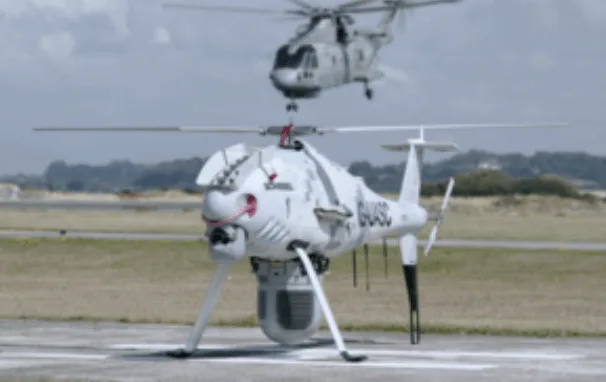
The Royal Navy is set to soar into the future with a cutting-edge uncrewed air system dubbed Peregrine. Thanks to a £20 million deal, the Navy will deploy the high-tech Schiebel S-100 drone, armed with powerful Thales surveillance sensors, from 2024.
24/7 Eyes in the Sky: Peregrine’s Mission
Peregrine will work alongside the Navy’s Wildcat helicopters to keep constant watch over Gulf waters. The drone can launch in tough conditions, day or night, feeding real-time radar and high-def images straight to frontline warships. This will massively boost the Royal Navy’s ability to detect and respond to threats at long range.
Leaders Praise Game-Changing Tech
Andy Start, CEO of Defence Equipment and Support (DE&S), said:
“The DE&S RPAS team have delivered a rapidly deployable Remotely Piloted Air System for the Royal Navy. Through close industry collaboration, the Navy will get a mature system that safeguards British interests in the Gulf.”
Rear Admiral James Parkin, Royal Navy’s Director Develop, added:
“We’re thrilled to bring this top-notch capability to the front line. Peregrine fits perfectly with our mixed crewed and uncrewed Fleet vision, enhancing response to today’s complex threats.”
State-of-the-Art Tech on Deck
Peregrine is unique as it takes off vertically from the ship’s flight deck, just like a helicopter, becoming the first uncrewed rotary wing aircraft to work alongside Wildcats. Its Thales I-Master radar and long-flight endurance will provide the Navy with unmatched intelligence, surveillance, and reconnaissance (ISR).
The drone’s imagery and radar data link directly into the ship’s Combat Management System, giving commanders sharp situational awareness for split-second decisions.
Deployment starts mid-2024 for two years, with options to extend. Named after the historic HMS Peregrine air station in West Sussex, this new tech is set to revolutionise naval warfare, marking a bold step into the era of drone-powered defence.