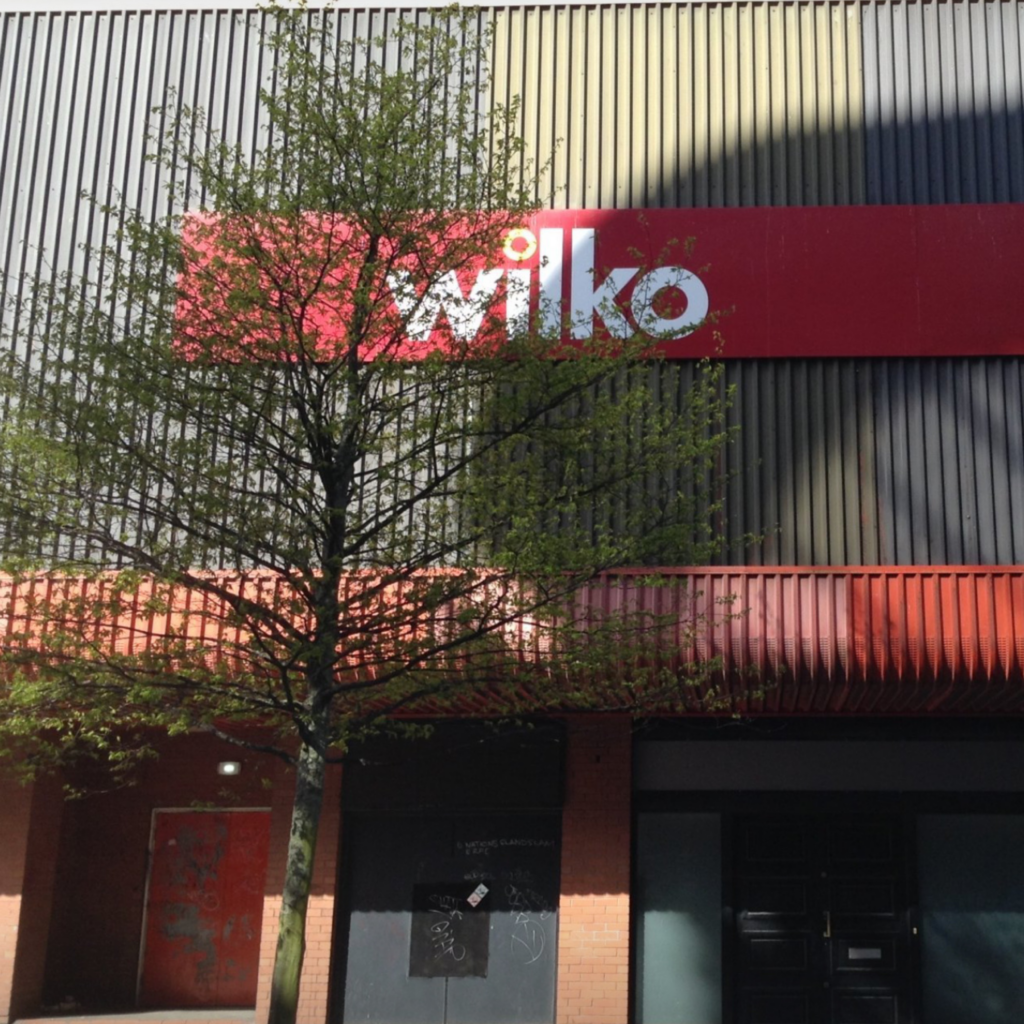
Wilko Begins Mass Store Shutdown—End of an Era
Wilko’s slow death starts this Tuesday as 24 stores, including Liverpool, Cardiff, Acton, and Falmouth, close their doors for good. This is just the first wave, with another 28 shops set to follow later this week. The once-beloved British High Street staple faces a total shutdown of all 400 stores by October.
Job Cuts Loom as Wilko Collapses
The fallout hits hard: around 12,500 employees are expected to lose their jobs amid the collapse. Wilko went into administration in August, crushed under losses and fierce competition from discount rivals like Poundland and The Range.
Billionaire Doug Putman, HMV’s owner, tried to save Wilko by bidding for 300 shops. But spiralling costs killed the deal. PwC administrators announced with regret that no key part of Wilko’s business can be saved despite “extensive efforts.”
Rivals Snatch Up Wilko Stores
- B&M snapped up 51 Wilko sites in a £13 million deal—but no Wilko signs will remain.
- Poundland aims to acquire up to 70 stores, planning to rebrand them under its own banner.
Meanwhile, other retailers like Dunelm and Toolstation are urging Wilko staff to apply for jobs, offering a lifeline to thousands of displaced workers.
Snack Giant JM Smucker Set to Devour Hostess Brands for $5.6 Billion
In a major food industry shake-up, JM Smucker is buying Hostess Brands for a whopping $5.6 billion (£4.5 billion). Home to iconic treats like Twinkies, Donettes, and Ho Hos, Hostess has been a household name in America for over a century.
“With this acquisition, we are adding an iconic sweet snacking platform… to drive continued growth,” said Smucker CEO Mark Smucker.
The deal sent Smucker’s shares soaring. Big names like PepsiCo and Mondelez had also eyed Hostess, but Smucker sealed the prize, aiming to close the deal by Q3 this year.
UK Backs Rare Earth Recycling for Ford EVs in Belfast
The UK government is investing in Ionic Rare Earths’ plan to build a rare earth magnet recycling plant in Belfast. The facility will supply Ford’s UK electric vehicle production with high-purity metals used to make EV motors.
The recycled rare earth metals will be processed into alloys by Less Common Metals before becoming magnets essential for EVs, supporting Britain’s green manufacturing push.