Say Goodbye to Paper £20 and £50 Notes After September 30
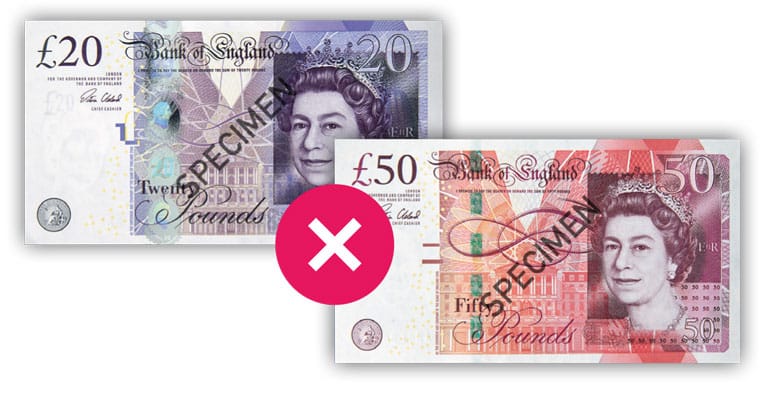
UK paper £20 and £50 notes are being ditched for tough plastic versions. These new polymer notes match the £5 and £10 notes already in use. They’re harder to fake and built to last longer.
Deadline Looms: Spend Your Paper Notes Fast
Shops will stop accepting paper £20 and £50 notes after September 30, but don’t panic – you can still deposit them at banks if you have a UK account. There are still around 163 million paper £50s and 314 million paper £20s floating around, so it’s smart to check your wallets and drawers now.
Bank of England chief cashier Sarah John warned: “Changing our banknotes from paper to polymer has been crucial. It makes them more counterfeit-resistant and durable.”
Bank of England Urges Public to Swap Old Notes
Most paper notes have been withdrawn, but many remain in circulation. The new notes—featuring security upgrades like see-through windows and holograms—are tougher to forge than their paper predecessors.
“If you have any paper £20 or £50 notes, spend or deposit them by September 30,” said Sarah John, whose signature will be on the new notes. “They can still be used or deposited normally for the next 100 days.”
Iconic Faces on Classic Paper Notes
- Paper £50 notes feature Adam Smith, the economist.
- Paper £20s show entrepreneur Matthew Boulton and engineer James Watt.
Meanwhile, last year saw the launch of polymer £50 notes with codebreaker Alan Turing’s image.
Why Polymer Rules
Polymer is a flexible plastic that helps money survive more wear and tear. A polymer £5 lasts two and a half times longer than paper.
The Bank of England points out polymer notes are also greener. The Carbon Trust confirms their carbon footprint is 16% lower than paper notes.
But even plastic notes aren’t indestructible, so handle with care!