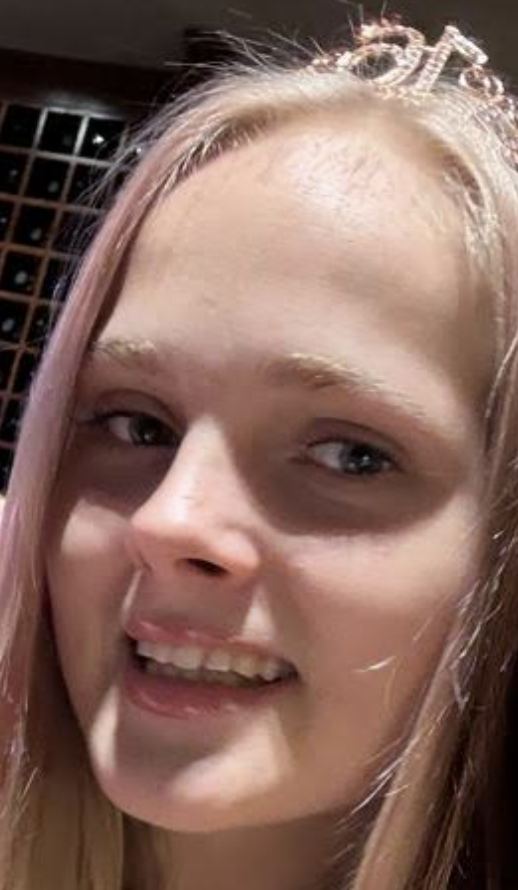
The circumstances surrounding the tragic death of Annie Börjesson, whose body was discovered on Prestwick Beach in Scotland on December 4, 2005, continue to perplex her friends and family. While authorities quickly labeled it as a suicide, a new investigative series titled “Body on the Beach: What Happened to Annie?” delves into the case, raising questions about the possibility of foul play.
Scottish journalist Hazel Martin spearheads the investigation, driven by her personal connection to the area where Annie’s body was found and a desire to provide a platform for the voices of those involved. Martin explores the peculiar events leading up to Annie’s death, unearthing discrepancies in the forensic analysis and encountering barriers of secrecy and classified information.
In an interview, Martin discusses her motivations and findings:
Q: Why did you want to make this series?
A: Growing up near the area where Annie’s body was discovered, I felt a personal connection to the story. As an investigative journalist, I appreciate stories that require time to uncover the truth and give people an opportunity to share their perspectives. Annie’s case allows me to do just that.
Q: Why do you think Annie’s case continues to captivate people’s attention?
A: Annie’s story possesses a relatable human element. She was vibrant, loved music, and had a network of friends and family who deeply cared for her. They believe there is more to her death than the official narrative suggests. People empathize with this emotional connection and yearn for answers. Moreover, the mystery surrounding Annie’s demise is inherently intriguing, evident by the popularity of true crime series today.
Q: What prompted you to make this series now?
A: Annie passed away at the same age I am currently, making her story profoundly resonate with me. To this day, numerous uncertainties shroud Annie’s death. Her family feels they are missing crucial answers, and suspicions of foul play piqued my interest. Online speculation and interest from YouTubers and internet sleuths demonstrate the enduring relevance of her case.
Q: Did you uncover any new information during the making of this series?
A: You’ll have to watch it to find out! However, we have compiled a document highlighting 11 points that we believe warrant further investigation. This document has been submitted to the Scottish Fatalities Unit. Notably, leading forensic pathologist Dr. Stuart Hamilton pointed out potential bruising marks on Annie’s body, which were not included in the original post-mortem report.
Q: What challenges did you face during the documentary production?
A: As a journalist, it can be challenging to detach from stories like this. Annie was a person, and her family has endured nearly two decades searching for answers while living without her. Working on such stories can evoke personal emotions, especially considering the time and effort invested—over a year in this case. Although I never met Annie, I developed a connection to her. It’s impossible not to become emotionally invested.
Q: What do you hope viewers will take away from this series?
A: I hope viewers gain a deep understanding of who Annie was and become invested in her case. These events involve real people with real emotions. I also want the immense dedication our team put into this series to shine through. We meticulously analyzed evidence, consulted experts, and sought potentially overlooked details.
“Body on the Beach: What Happened to Annie?” will premiere on BBC Scotland and BBC iPlayer on July 4, and on BBC Three on July 5, inviting viewers to delve into the mysterious circumstances surrounding Annie Börjesson’s untimely demise.