Dartford Crossing Toll: What You Need to Know
If you regularly drive the eastern M25, you’ll know all about the Dartford Crossing charge. But for newcomers, it’s a baffling toll that often causes headaches. Here’s your quick and punchy guide to the Dart Charge – how to pay, why it’s there, and what happens if you don’t.
Traffic Overload Sparks Dart Charge Introduction
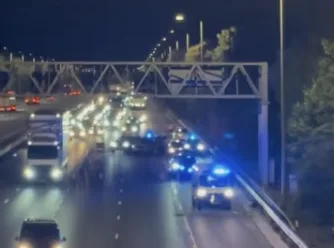
The Dartford Crossing was built to handle 136,000 vehicles daily between Essex and Kent. But traffic has soared to an average of 160,000 cars each day, pushing demand beyond its limits. Highways England introduced the Dart Charge to manage this surge, and it’s here to stay.
Why The Toll Won’t Be Going Anywhere Soon
Originally, the toll was meant to disappear once the bridge costs were paid off. That promise has long been broken, stirring up anger from motoring groups and MPs alike. Nicholas Lyes, RAC’s Head of Roads Policy, slammed the ongoing toll saying drivers “may feel shortchanged” and called for tolls like this to be scrapped entirely, as happened with the Severn Crossing.
How Much Does the Dart Charge Cost?
- Cars, motorhomes & small buses (under 9 seats): £2.50 per crossing, £2.00 with an account.
- Two-axle goods vehicles (vans & small trucks): £3 per crossing, £2.63 with an account.
- Larger multi-axle goods vehicles: £6 per crossing, £5.19 with an account.
Regular users and locals get discounts — like unlimited travel for just £20 a year or 50 crossings for £10.
How to Pay and What Happens If You Don’t
Pay up online via the official Dart Charge website or call the hotline. You can only legally dodge the fee between 10pm and 6am or by taking tougher routes on the M25’s western side.
Miss payment? Expect a £70 penalty, rising to £105 if unpaid after 14 days. Appeals are possible but it’s easier just to pay upfront.
Who’s Exempt From the Toll?
- Disabled drivers exempt from road tax.
- Moped, motorbike, trike, and quad bike riders.
- Cyclists aren’t allowed on the crossing but can use free shuttle buses.