RAF Jets Race to Evacuate Brits from Sudan
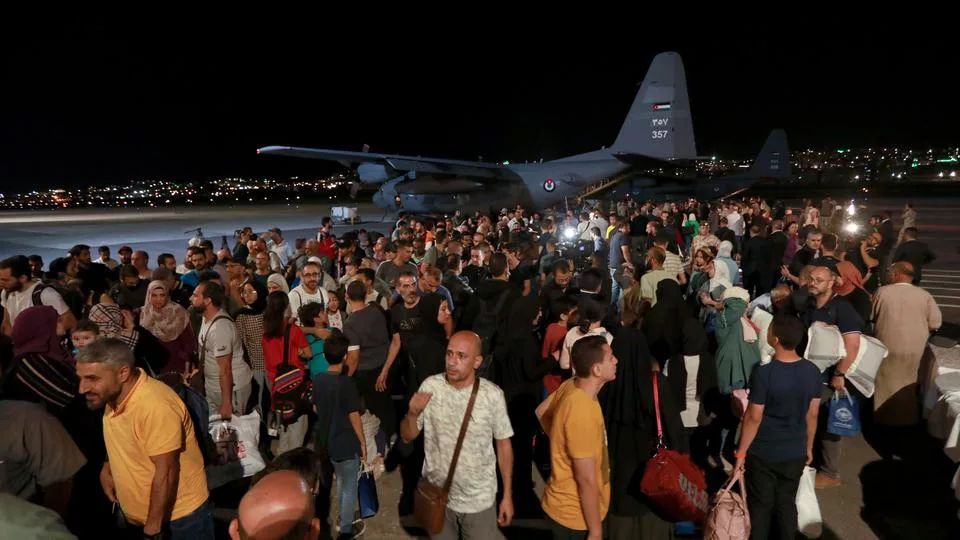
RAF planes are buzzing in and out of Sudan’s Wadi Saeedna airstrip, airlifting British passport holders to Cyprus under a fragile 72-hour ceasefire. The mission aims to rush Brits to Larnaca airport where UK officials take over processing.
Three Rescue Flights Underway – More Brits Stay Behind
So far, three flights are planned. The first plane airlifted 39 people, but the Foreign Office is mum on how many got on the second flight arriving in Larnaca early Wednesday. Officials expected to evacuate 260 Brits, but many remain reluctant to leave.
Among those still in Sudan is an NHS doctor visiting an elderly relative—who lacks a UK visa. The government is prioritising families with children, the elderly, and those with medical needs for the flights.
Stranded Families On The Brink
Newborns and young kids evacuated on the first flight were met by the Cypriot Red Cross, who handed out food and basics at Larnaca airport. Relatives back home expressed raw relief, after hearing loved ones trapped in cities where food and water are running dangerously low.
“At one point, she and 13 others shared just four dates and one egg,” said one British man about his sister’s ordeal.
Potential Sea Evacuation and Military Support
The government is also eyeing a seaborne exit from Port Sudan, though it’s still under review. Around 120 British troops are on the ground helping at Wadi Saeedna.
Defence Secretary Ben Wallace admitted concerns some flights may leave with empty seats, noting the low numbers contrast sharply with the desperate crowds during the Afghanistan evacuation two years ago, when thousands queued up.