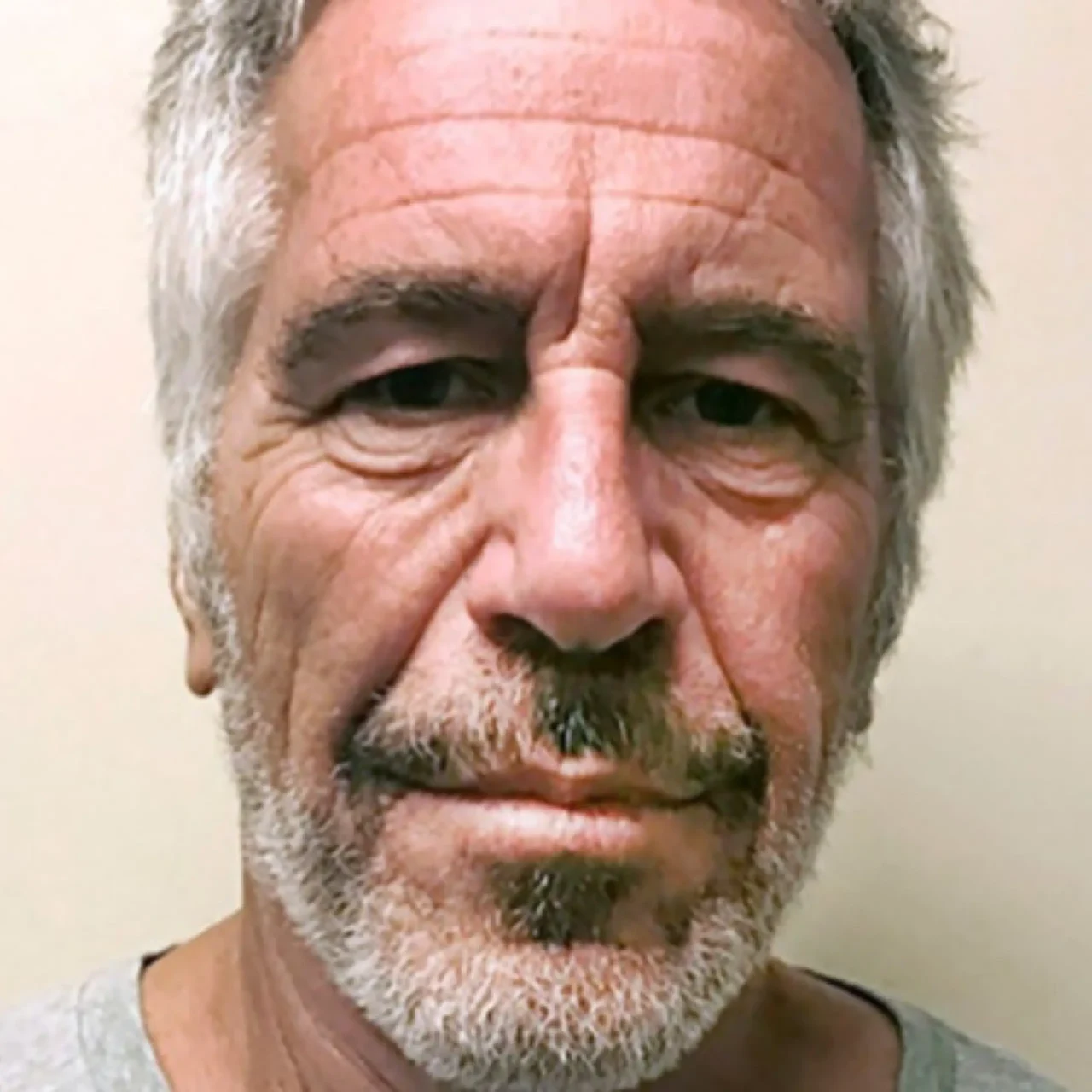
In a surprising turn of events, a Just Stop Oil supporter, Stephen Gingell, has been sentenced to six months in prison following his participation in a peaceful protest march. The sentence was handed down at Manchester Magistrates Court on Thursday, 14th December 2023, by Judge Mitchell. Gingell, a 57-year-old business owner and father of three from Manchester, was found guilty of breaching Section 7 of the Public Order Act.
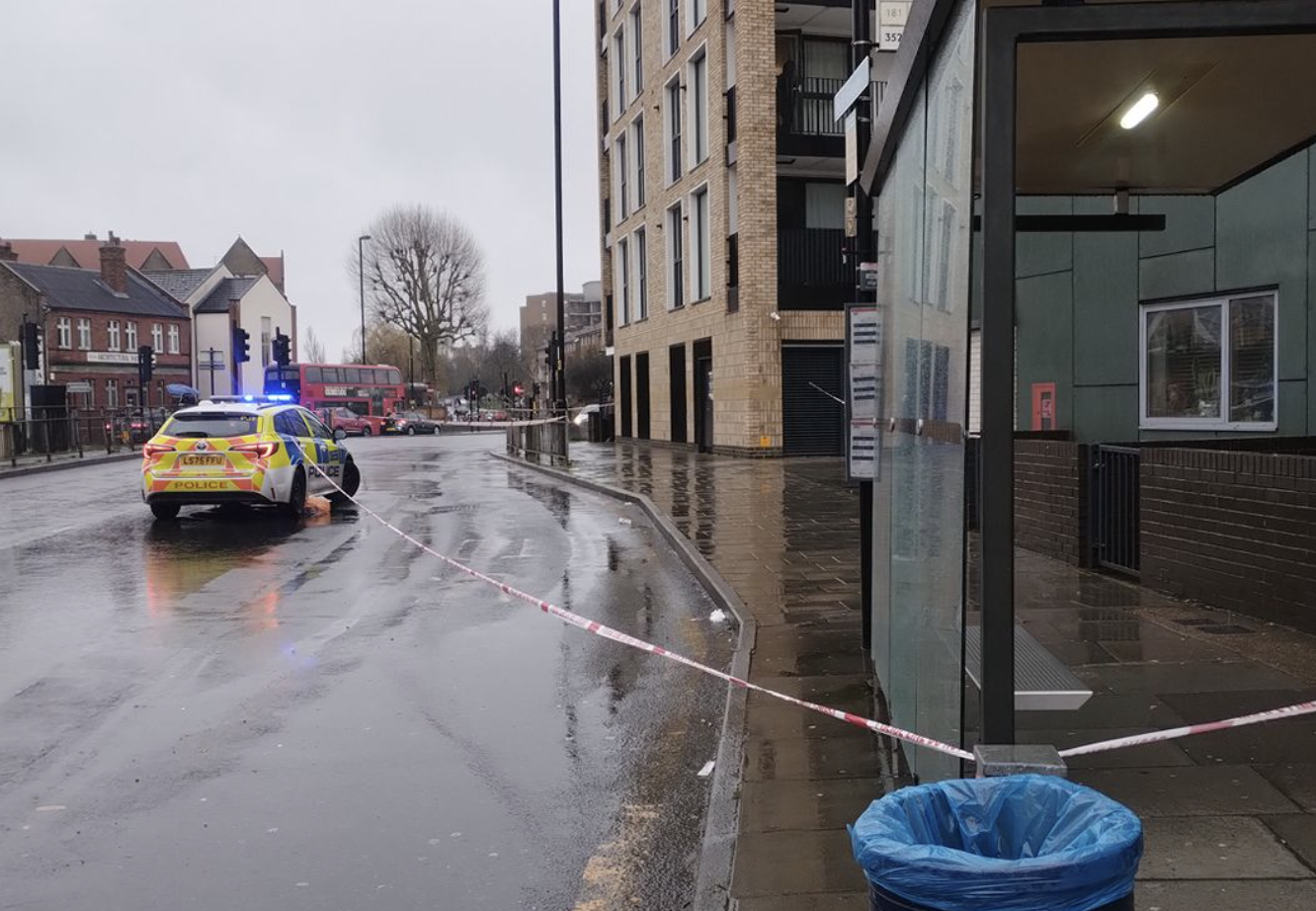
On November 13, 2023, Gingell was arrested in London for his involvement in a slow march with about 40 other protesters. The group spent approximately 30 minutes on a road in North London, causing disruption. After pleading guilty in November at Wimbledon Magistrates Court, London, Gingell’s case was transferred to Manchester for sentencing.
Before joining the protest with Just Stop Oil, Gingell expressed his concerns about the future of his children, stating, “I’ve got no choice, I’ve got three lovely children, what future are they going to have? I really fear for their lives.”
Reacting to the sentencing, a spokesperson for Just Stop Oil criticized the application of Section 7 of the Public Order Act 2023, a law they claim was influenced by the fossil fuel lobby and introduced by Priti Patel in April. The spokesperson condemned the government’s approach, questioning the severity of the response to peaceful protests and highlighting the broader issue of new oil and gas exploration impacting millions of lives.
A spokesperson from ‘Lawyers are Responsible,’ a group of legal professionals, also commented on the case. They expressed concern over the repressive environment facing peaceful protesters and criticized the legal system for being detached from the reality of the climate and ecological crisis. The spokesperson advocated that people should not be criminalized for actions aimed at protecting the future.
This case has sparked a debate about the balance between lawful protest and public order, and the role of legislation in regulating environmental activism. The sentencing of Stephen Gingell is seen by many as a harsh response to peaceful protest, raising questions about the freedom of expression and the right to peaceful assembly in the context of pressing global environmental issues.