Texas Confirms First Human Bird Flu Case Linked to Dairy Cattle
A Texas resident has contracted bird flu after coming into contact with infected dairy cattle, state health officials revealed on Monday. This is the first human case of the deadly avian influenza strain in Texas and only the second confirmed in the U.S.
Low Risk to Public but Close Contact Poses Danger
The state health alert warns that while the general public’s risk remains low, those who work closely with animals suspected of carrying the A(H5N1) virus face higher infection risks. Symptoms reported include conjunctivitis (eye redness), the primary sign seen in the patient.
“People with close contact with affected animals suspected of having avian influenza A(H5N1) have a higher risk of infection,” the alert stated.
Doctors Urged to Watch for Symptoms
Health authorities are urging clinicians to consider bird flu in anyone showing symptoms and exposure to infected animals or unpasteurised milk. Symptoms to watch for include:
- Fever
- Cough and sore throat
- Runny or stuffy nose
- Headaches
- Fatigue
- Eye redness
- Shortness of breath
- Diarrhoea, nausea, vomiting
- Seizures
Optometrists and ophthalmologists should also be alert to cases of unexplained eye redness in patients exposed to infected animals.
Virus Spreads Among Cattle, Experts Sound Alarm
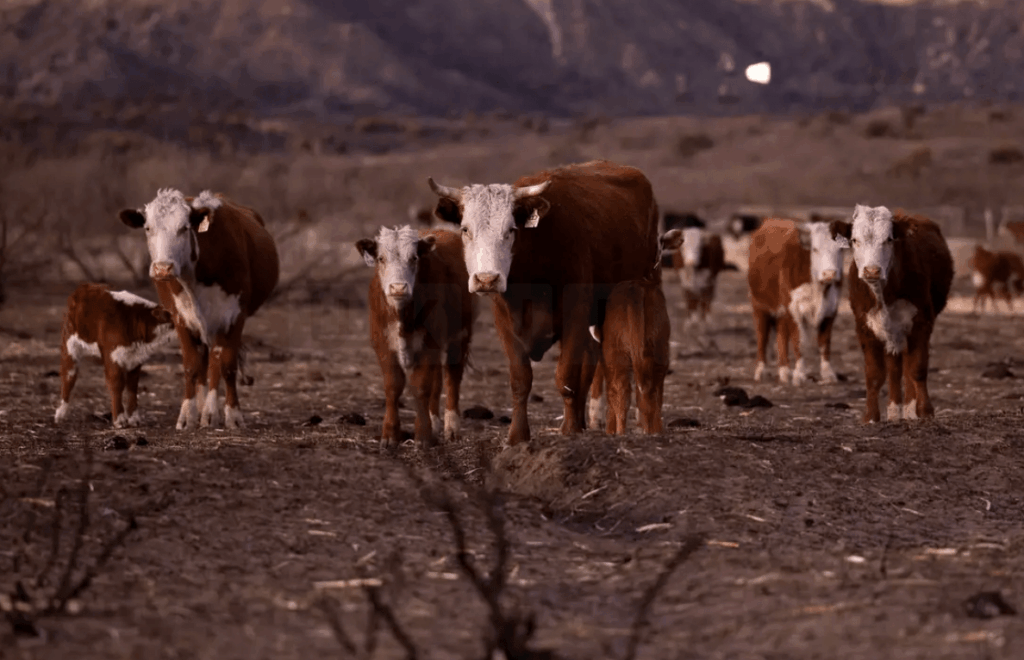
The novel A(H5N1) bird flu strain has been detected in dairy cattle across Texas’ Panhandle region, adding to existing outbreaks in Kansas and New Mexico. This development threatens the already struggling cattle industry.
Lauren Ancel Meyers, University of Texas professor and head of the Center for Pandemic Decision Science, stressed the need for vigilance. “While this case appears mild and isolated, the virus jumping into cattle is worrying. Viruses like influenza evolve rapidly, so close monitoring is essential,” she said.
The U.S. Department of Agriculture reassures consumers that milk from infected farms is being disposed of and the commercial milk supply is safe.