Met Police Cleared Over Violent Arrest of Netflix Star Reece Richards
Officers Acted Reasonably, Says Police Watchdog
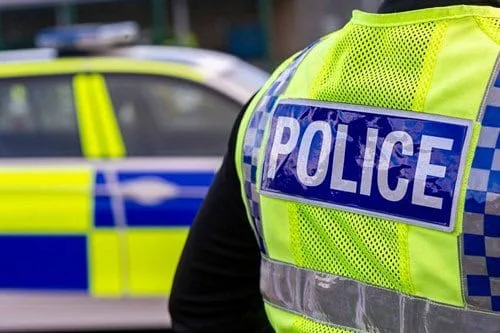
The Independent Office for Police Conduct (IOPC) has backed the Metropolitan Police for their handling of actor Reece Richards’ mistaken arrest in Fulham, west London, last September.
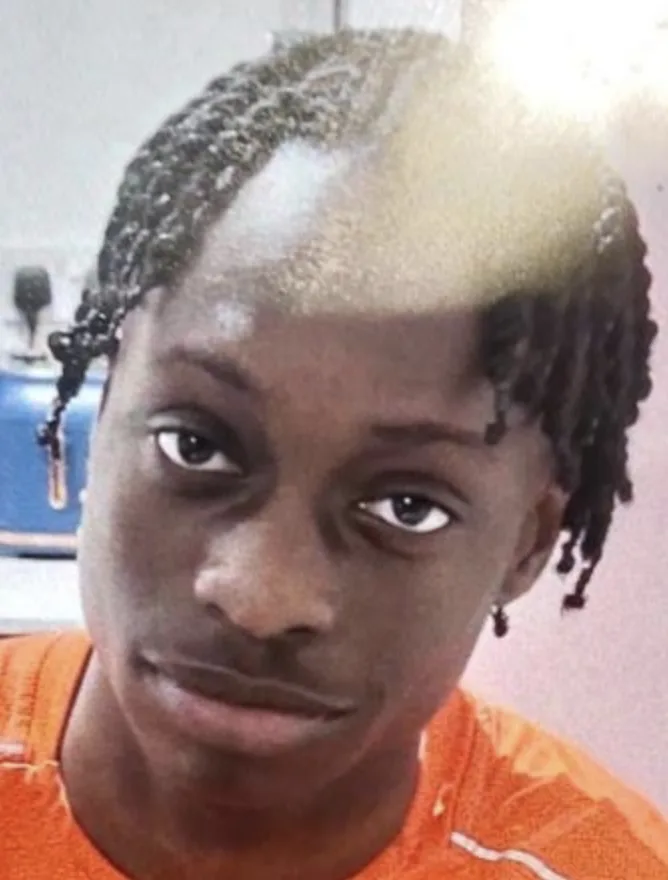
Richards, famed for playing Eugene in Netflix’s Sex Education, was aggressively tackled just yards from his home after a high-speed police chase. He claims he was pepper sprayed, kicked, and thrown to the ground in a case of mistaken identity.
The IOPC found no evidence of misconduct or racial discrimination and confirmed no disciplinary actions would be taken against officers.
How the Arrest Unfolded
- Date: 4 September 2024
- Location: Fulham Palace Road, West London
- Scenario: Police were pursuing a wanted vehicle that crashed; suspects fled on foot.
- Suspect Description: One male, dark clothing
CCTV captured Richards nearby as a suspect ran past police. Mistaking Richards for the suspect, an officer detained him after Richards dropped his bag and ran away.
Backup officers arrived, and a struggle ensued during which PAVA spray was deployed before Richards was handcuffed. He was released 14 minutes later once officers realised their error.
Voices from All Sides
IOPC Director Amanda Rowe: “Mr Richards was an innocent bystander and this would have been a frightening experience… However, officers were responding to a fast-moving incident with limited information. Their actions were reasonable under the circumstances.”
Reece Richards: “I was the victim of an unlawful arrest. I was confused, unable to understand why I was suddenly being treated like a criminal… I was pepper sprayed, kicked, and thrown to the ground.”
He revealed injuries to his back, ribs, and stomach worsened by the arrest.
Met Commander Owain Richards: “We are pleased the IOPC determined the officers acted in good faith… That said, we recognise how distressing this must have been and are open to meeting Mr Richards should he wish to discuss the incident.”
No Racial Bias Found—But Debate Rages On
Though Richards believed his race played a role, the IOPC found no sign of racial targeting. Investigators reviewed bodycam footage, CCTV, witness accounts, and consulted discrimination experts.
This incident has reignited heated discussions over police stop-and-search tactics, excessive force, and the rights of innocent bystanders caught in police crossfire.
While the officers have been cleared, calls for reform in policing strategy and rebuilding public trust continue to grow louder.