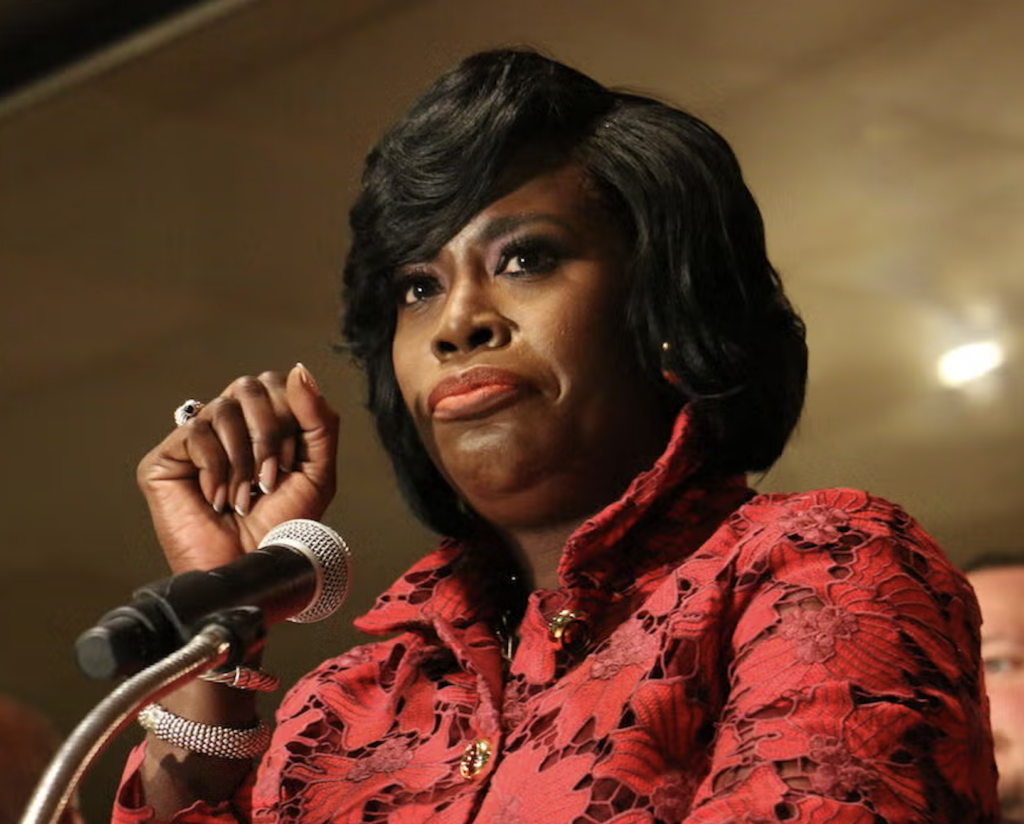
Philadelphia Mayor Cherelle Parker has quietly scrapped race- and gender-specific contracting targets that aimed to funnel 35% of the city’s $4 billion annual contracts to minority-, women-, and disabled-owned businesses. The bold move, made by executive order in September 2025 without fanfare, comes amid mounting federal legal challenges and doubts over the programme’s effectiveness.
Parker Cites Supreme Court Ruling and Failed Results
At a Northwest Philadelphia roundtable on November 18, Parker defended her decision, saying the decades-old goals just weren’t delivering. She pointed to the 2023 Supreme Court ruling that struck down affirmative action programmes, as well as President Trump’s 2025 executive orders targeting diversity, equity, and inclusion (DEI) initiatives.
“We need to make a shift to be in compliance with federal court orders, including a ruling from the US Supreme Court,” Parker said. “But long before that, we all know the programs we had in place were not working. I’m fighting the fight the way I know best: to achieve the results and act and extract the tangible results that I need for the people.”
The Mayor’s administration has swapped the race-based quotas for “small and local” business incentives, providing capital access and business tools to underserved entrepreneurs. Chief Deputy Mayor Vanessa Garrett Harley revealed that despite four decades of the old system, just 20% of minority businesses actually won contracts.
Council Criticism and Political Backlash
Not everyone’s happy. Councilmember Kendra Brooks slammed Parker’s approach as bowing to Trump’s anti-DEI agenda. “People want to see leaders fighting for something, and right now we don’t see our city fighting for anything,” Brooks told the Philadelphia Inquirer on November 13. She accused the mayor of “caving” to federal pressure.
Conversely, City Council President Kenyatta Johnson called the move “strategic”, aimed at avoiding lawsuits that could gut minority business opportunities. But Councilmember Cindy Bass labelled it “disturbing,” highlighting deep divides in Philadelphia’s political ranks.
Federal Fight Against DEI Hits Philadelphia Hard
The policy change follows the 2023 Supreme Court ruling in Students for Fair Admissions v. Harvard, which outlawed race-based affirmative action. The decision threw government diversity contracting into legal limbo.
On top of that, Parker’s administration settled a lawsuit from America First Legal—founded by Trump adviser Stephen Miller—that challenged Philly’s DEI contracts as racial discrimination. The settlement demanded the city halt those programmes.
Trump’s January 2025 executive orders aggressively dismantled federal DEI efforts, cutting offices and forcing contractors to certify compliance with anti-DEI rules or risk losing federal funds. Philadelphia receives over $500 million in federal aid, making compliance urgent to avoid funding cuts.
Parker’s Crime and Business Approach: Results Over Rhetoric
Parker, Philadelphia’s first Black female mayor, campaigned on public safety and pragmatic governance—not progressivism. Her “tough-on-crime” policies have paid off with homicides down 13-18% year-to-date through August 2025, alongside modest drops in property crime.
She sees her contracting shake-up as another “results-first” move, replacing symbolic quota systems with practical support for minority entrepreneurs. The old 35% target, set in 1983 to fight discrimination, often ended up as paperwork without real wins.
The new “small and local” certification avoids race and gender labels, aiming to help disadvantaged businesses through neutral criteria. Critics worry it dilutes hard-won civil rights protections, masking a retreat from equity commitments.
Philadelphia at the Crossroads of National DEI Debate
Social media shows fierce debate, with over 5,000 engagements on #PhillyDEI posts. Supporters laud Parker’s pragmatism; opponents decry capitulation to Trump’s agenda. The city now tests how Democrats can juggle progressive values with conservative legal realities.
Whether Parker’s strategy will boost minority businesses better than quotas remains to be seen. As Philadelphia rolls out the new policies, all eyes will watch to see if race-neutral programmes can truly level the playing field or simply bow to federal pressure.