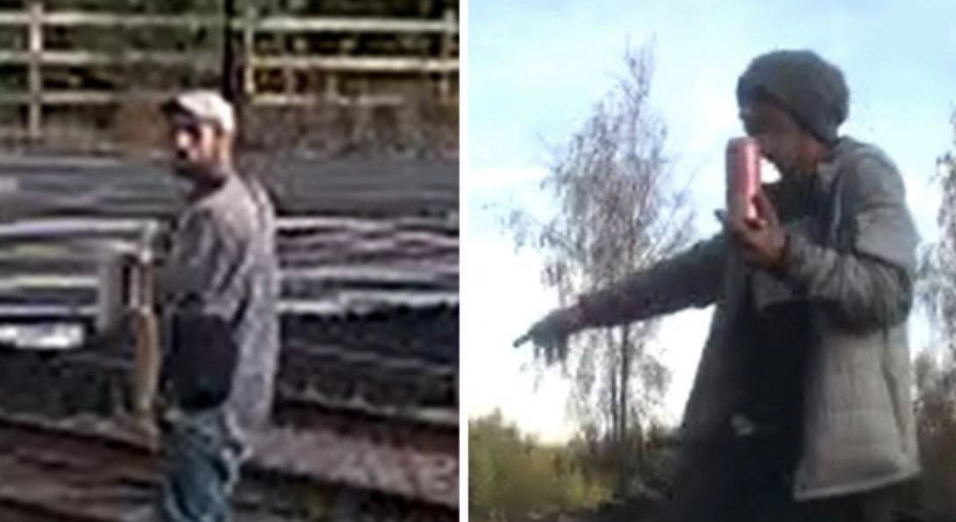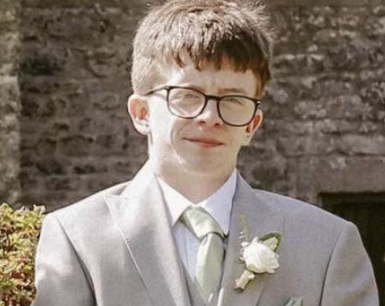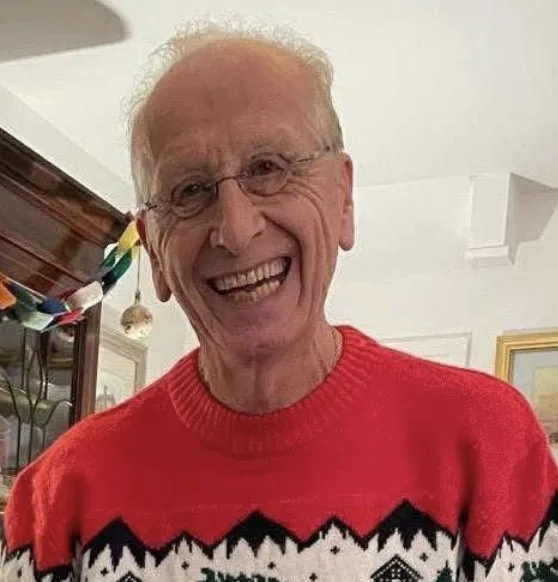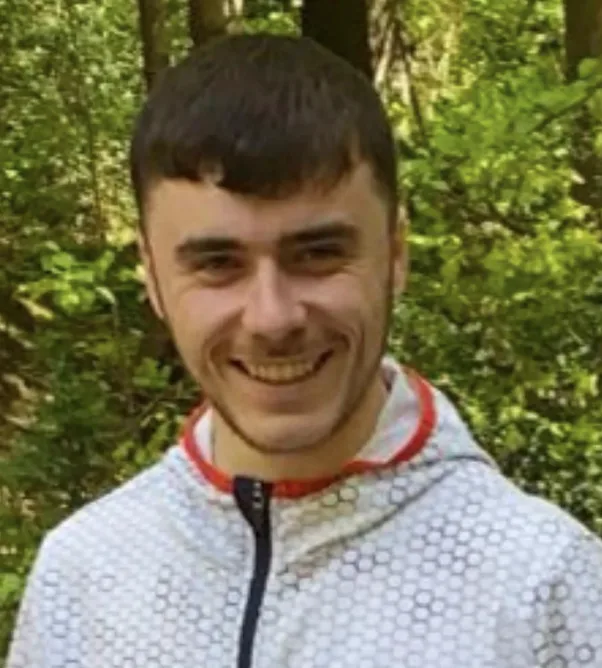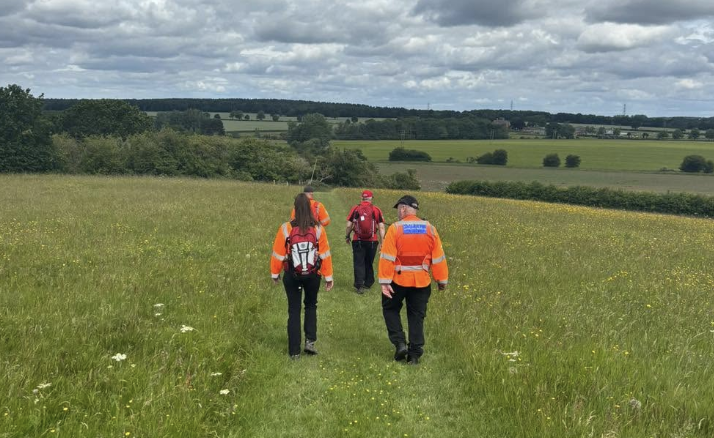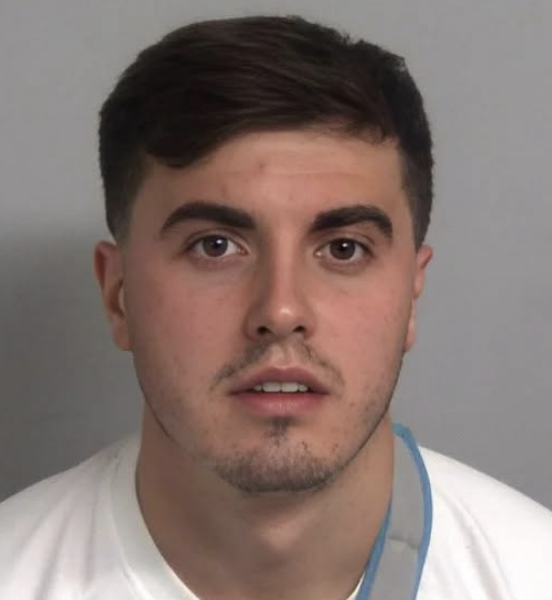
Alice Ruggles, 24, was murdered in October 2016 when her ex-boyfriend, Trimaan “Harry” Dhillon, 26, broke into her Gateshead flat and fatally attacked her with a kitchen knife. Despite Alice contacting the police after Dhillon’s alarming behaviour and threats, failings in how the case was handled allowed the harassment to escalate to violence.
Disturbing Warning Voicemail
Two weeks before the murder, Dhillon drove 120 miles from his Edinburgh barracks to Alice’s home to leave flowers and chocolates, then left a chilling voicemail claiming, “I wasn’t going to kill you. I wouldn’t kill you.” Her father Clive Ruggles said Dhillon’s words showed he had clearly thought about violence.
Police Response Under Scrutiny
Alice had reported Dhillon’s repeated harassment, which included threatening notes, controlling her Facebook account, and unannounced visits. Northumbria Police classed it as harassment rather than stalking, a distinction that limited their response.
A Police Information Notice was issued, but Dhillon ignored it, and Alice felt let down by the authorities.
Fatal Attack And Court Verdict
On 12 October 2016, Dhillon returned, climbed through an open window, and fatally slashed Alice’s throat, inflicting 24 injuries while suffering none himself. At Newcastle Crown Court, Dhillon’s claim that Alice had attacked him and died accidentally was rejected.
He was jailed for life with a minimum 22-year term for an act described by the judge as “utter barbarism.”
Legacy And Campaigning
Following the case, Northumbria Police referred themselves to the Independent Police Complaints Commission, which found investigation failures; the force has since apologised. Alice’s parents, Clive and Sue, founded the Alice Ruggles Trust to campaign for improved awareness, training, and legal protections against stalking and coercive control.