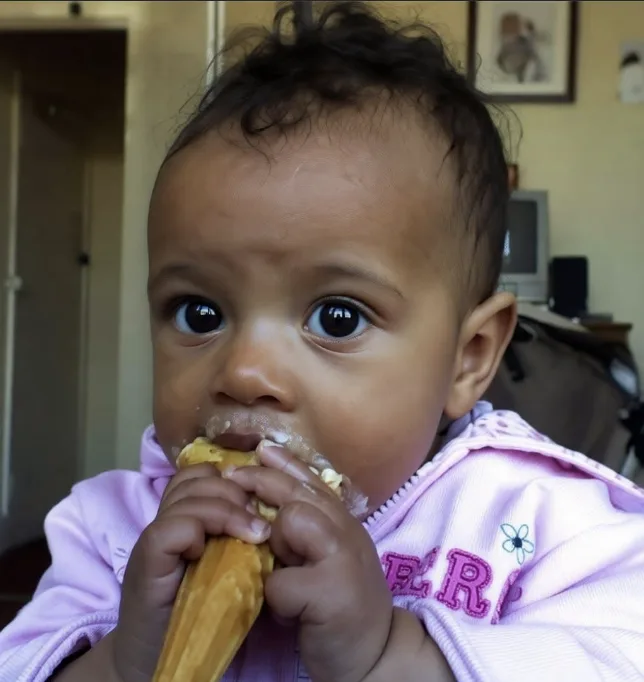
An 11-month-old baby girl was murdered by her mother’s teenage boyfriend after suffering a devastating head injury while living at a hostel in Great Yarmouth.
Ruby Spink died on 16 September 2007 after suffering a severe skull fracture and brain injury while in the care of her mother’s 17-year-old boyfriend.
Ruby’s mother, Laura Spink, then 18, had left her daughter alone with the teenager despite a child protection plan which, according to accounts of the case, required her to be Ruby’s sole carer.
When she returned, Ruby was seriously unwell and struggling to breathe.
The boyfriend initially claimed the baby had been choking on chocolate cake. He later gave a different account, saying Ruby had accidentally struck her head against a wall while he was swinging her around.
Ruby was taken to James Paget University Hospital in Gorleston, but died from her injuries later that day.
Medical evidence presented during subsequent proceedings showed that Ruby’s fatal injuries were caused by significant force and were not consistent with an innocent accident.
Examinations also uncovered older injuries, including fractures to both legs and several broken ribs, indicating that Ruby had suffered injuries before the fatal attack.
Witnesses from the hostel gave evidence about the teenager’s previous treatment of Ruby, including allegations that he had been seen swinging her by her feet.
The case caused further concern because Ruby was already known to children’s services. She had reportedly been placed on the child protection register just six days before her death, with measures introduced intended to prevent the teenager from being left alone with her.
At Norwich Crown Court, the teenager was convicted of Ruby’s murder and sentenced to life imprisonment with a minimum term of 12 years.
Laura Spink pleaded guilty to child cruelty and neglect and received a 12-month sentence in a young offenders’ institution.
The murderer, who was subsequently known as Mitchell Childs, later sought a reduction in his minimum prison term.
In 2016, that application was rejected. Court proceedings reportedly detailed disciplinary problems during his imprisonment, including violence, failed drug tests and aggressive behaviour.
A minimum term does not mean a life prisoner is automatically released once that period expires. It determines when they can first be considered for release by the Parole Board.
If released, a person serving a life sentence remains subject to a life licence and can be recalled to prison if the conditions of that licence are breached.