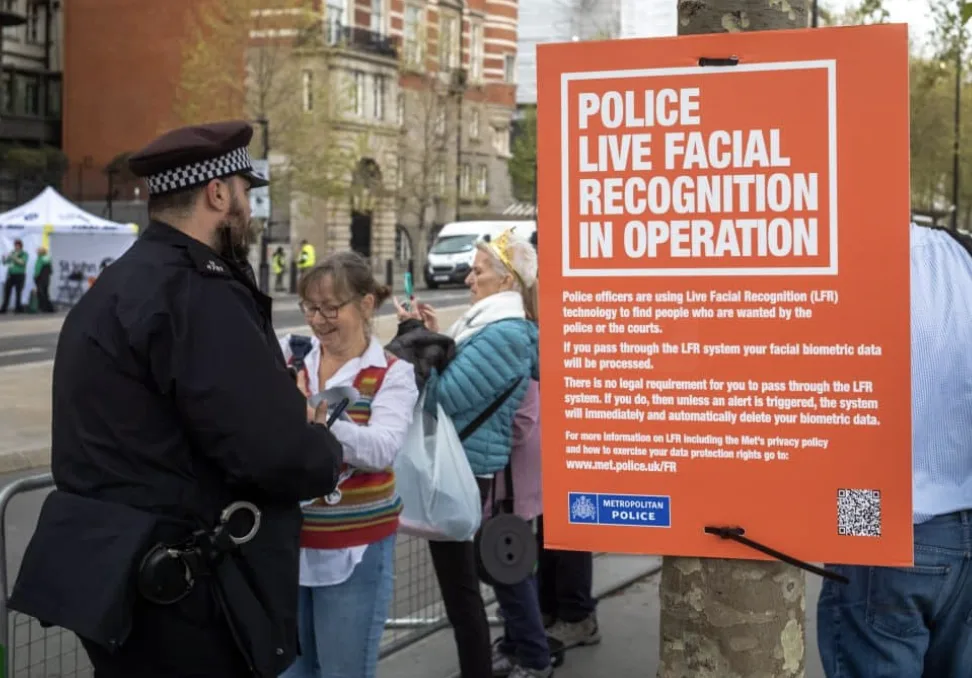
Islington Tells Police to Scrap Live Facial Recognition
Islington, known for its Victorian charm and Arsenal’s Emirates Stadium, has slammed the brakes on live facial recognition (LFR) tech. The borough council has officially urged police to stop using LFR in their area. This bold move follows similar rejections by neighbouring Haringey and Newham councils.
Privacy Fears Drive Council’s Rejection
Islington Council fear LFR is intrusive, unreliable, and disproportionately targets Black, Asian, and ethnic minorities. They pointed to a 2018 study showing the tech gets gender classification wrong up to 35% of the time for Black women. Despite the concerns, police used LFR twice in Islington this year.
“Islington Council does not support the use of Live Facial Recognition technology and is calling on the Mayor of London to halt its deployment here,” the council stated.
Privacy campaigners at Big Brother Watch backed the decision. Mark Johnson, their advocacy manager, said: “Communities where this technology has been trialled are making it clear they don’t want it.”
Police Push Back: LFR Is a Crime-Buster
The Metropolitan Police, however, are sticking to their guns. Lindsey Chiswick, Met’s Director of Intelligence, hailed LFR as a powerful tool in cracking serious crimes. She claimed:
- 257 arrests made using LFR, including violent crimes and robberies
- Over 300 stops of people on bail conditions
- 45 arrests in Croydon in just two days during a January operation
Chiswick added that the tech’s accuracy has been independently verified and emphasized transparency in its use. Local residents and businesses reportedly gave positive feedback.
Surveillance Expansion Despite Outcry
Despite accusations of Orwellian overreach from rights groups, London police recently scored a £230 million government boost for drones and facial recognition gadgets.
Live facial recognition is currently active in London and South Wales. Essex plans to roll out the tech regularly by year-end after a successful trial last autumn. Chief Constable Ben-Julian Harrington said cameras mounted on police vans will watch for serious offenders and looming crimes.
In December 2023, a UK Parliament committee reviewed facial recognition use by police in England and South Wales, underscoring the heated debate over privacy and effectiveness.
Big events at Islington’s Emirates Stadium and elsewhere may now face reduced biometric surveillance if Islington’s call gains traction, reshaping the future of face-scanning in the capital.