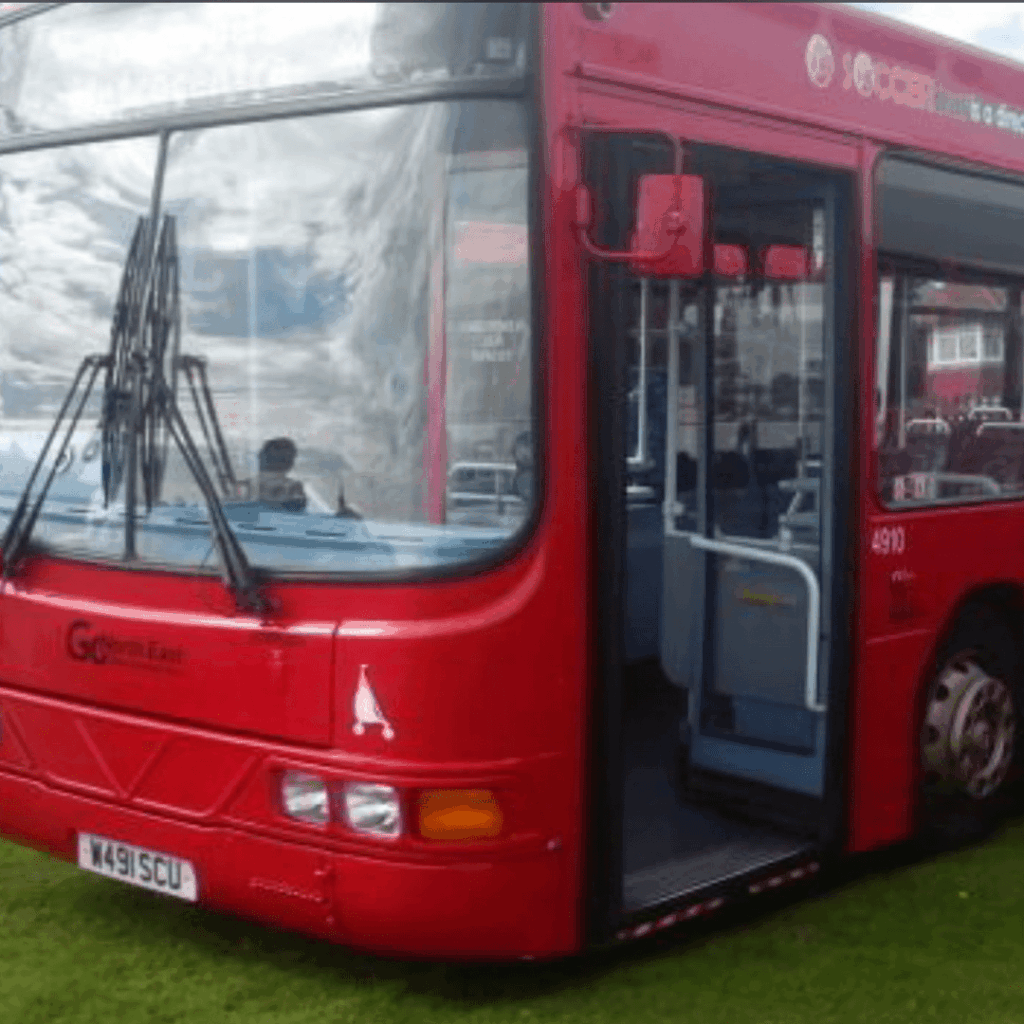
Commuters in the north-east of England are grappling with travel disruptions as the largest bus company in the region, Go North East, enters day three of a seven-day strike. The strike, impacting areas including Consett, Gateshead, Hexham, Percy Main (North Shields), Sunderland, and Washington, has sparked public frustration and concerns over financial losses for workers.
The strike, initiated by Unite, representing drivers, comes after unsuccessful negotiations between Go North East and its workforce. Despite the parent company, Go-Ahead Group, reporting profits of nearly £85 million, concerns have risen over the lack of an improved offer leading to the prolonged industrial action.
The strikes are scheduled for two periods, covering September 30 to October 6 and October 14 to October 20. Unite warns of further action if a satisfactory settlement is not proposed. While Go North East has offered an improved pay offer of 9.5%, Unite demands a 13% increase on top of the 10% received last year.
Go North East expressed regret over Unite’s dismissal of the revised offers.
The bus company, during the strike, will cease operations except for contracted school services, leaving communities without essential services.
Jarrow MP Kate Osborne urged Go North East to return to the negotiation table in a letter last month. She highlighted concerns raised by workers about attempts to reduce paid meal breaks and lengthen shifts, aggravating relations amidst the cost of living crisis.
Unite general secretary Sharon Graham criticised Go North East’s treatment of its workforce, stating, “Go North East needs to take a long hard look at themselves and how appallingly they’ve treated their workforce.”
Unite regional officer Dave Telford emphasised the union’s commitment to the workers, saying, “Unite has a laser-like focus on the jobs, pay, and conditions of its members – we will use every resource at our disposal to bring victory to the workers.”