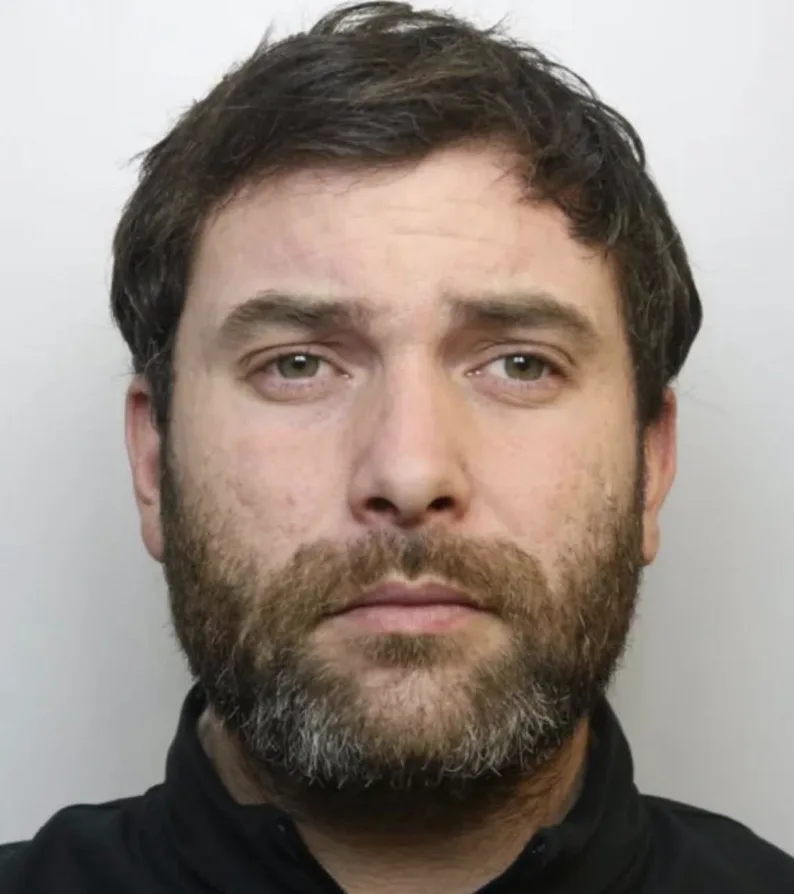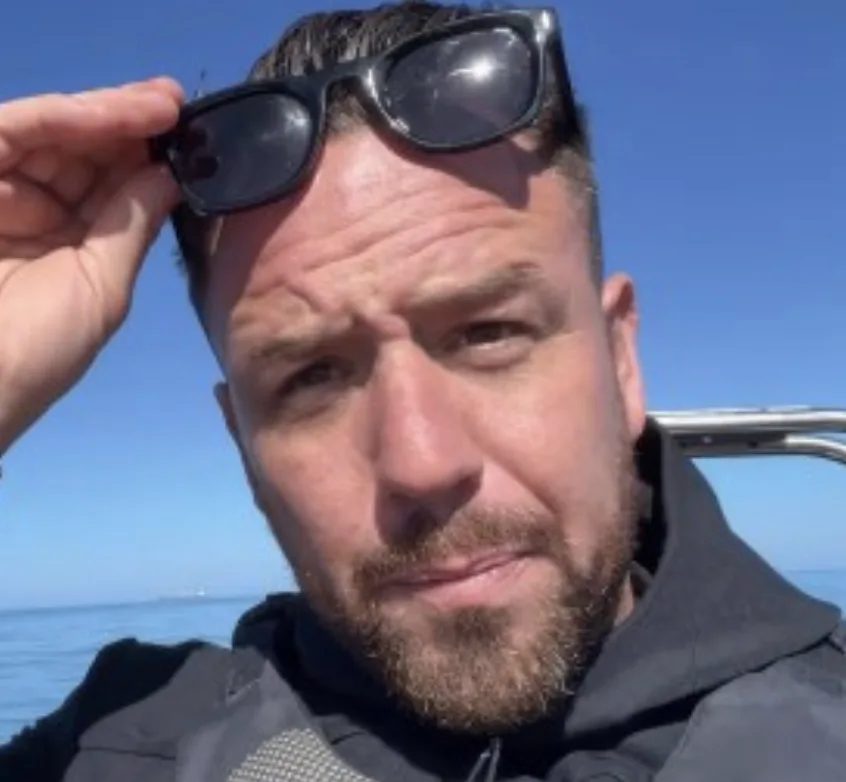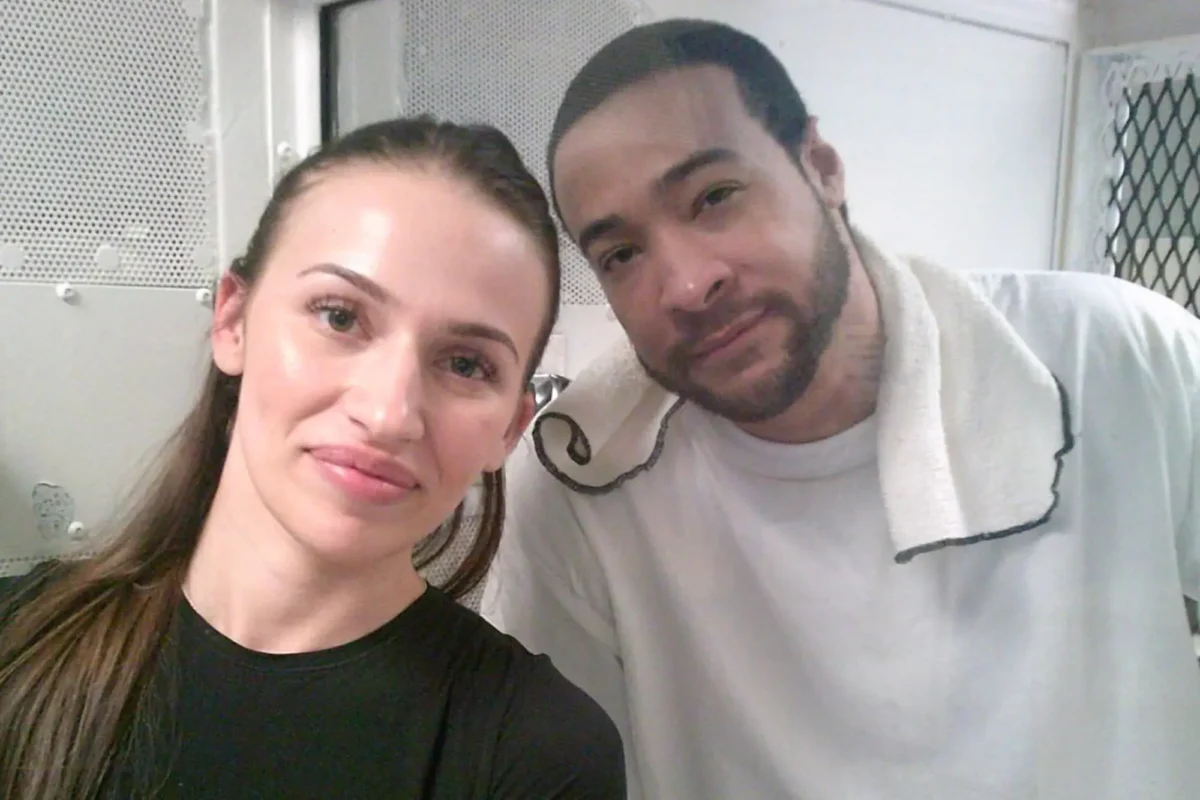
Tiana Krasniqi, a 31-year-old British law graduate from Lewisham, south-east London, screamed “I love you” and pressed against the glass of the execution chamber as her husband James Broadnax was put to death by lethal injection in Texas on Thursday evening. The execution, carried out at 6.47 pm CDT at the Huntsville state penitentiary, has sparked fresh debate over racial bias in the American justice system and the controversial use of rap lyrics as evidence during capital trials.
Marriage Behind Glass
Tiana and Broadnax, 37, had married just days before in a brief ceremony conducted under strict Texas rules prohibiting physical contact between death row inmates and visitors. Originally from Kosovo, Tiana had spent months visiting Broadnax at the Allan B.
Polunsky Unit ahead of their wedding and later described the physical suffering he endured from the lethal injection, including a nosebleed and bruising on his neck. She condemned the reaction of some families who laughed during the execution, questioning, “Is that justice?”
Contested Guilt
Broadnax was convicted of the 2008 shootings of Stephen Swan and Matthew Butler near Dallas. While Broadnax reportedly confessed and showed no remorse, his cousin and co-defendant, Demarius Cummings, who received life without parole, recently recorded a prison confession claiming he was the actual shooter.
DNA evidence found on the murder weapon and victims matched Cummings, not Broadnax, though this did not halt the execution after the US Supreme Court denied a last-minute stay.
Racial Bias Allegations
Broadnax’s defence raised concerns about racial bias in jury selection, pointing to a spreadsheet used by prosecutors to strike Black jurors, leaving Broadnax to be tried before an almost all-white jury. This strategy challenges the 1986 Supreme Court ruling in Batson v.
Kentucky, which prohibits dismissal of jurors based on race. The racial element of the case has intensified scrutiny over the fairness of the trial.
Rap Lyrics As Evidence
The use of Broadnax’s rap lyrics by prosecutors during sentencing faced sharp criticism from artists like Travis Scott, T.I., and Killer Mike, who filed Supreme Court briefs. Jurors reviewed around 40 pages of his rap writings twice to determine his “future dangerousness,” the threshold needed to impose the death penalty in Texas, sparking debate over constitutional rights and cultural bias.
Final Words And Legacy
In his final statement, Broadnax maintained his innocence, saying, “Texas got it wrong. I’m innocent; the facts of my case should speak for themselves.
Period.” As the sedative took effect, his last audible message was “Don’t give up.” He was pronounced dead 21 minutes after the injection began, becoming the third person executed in Texas and tenth nationwide this year. The mother of one of the victims dismissed recent claims supporting Broadnax’s innocence as a “stall tactic” by his defence team.