Midnight Drama: Lifeboats and Coastguard Launch Major SOS Rescue Off Kent Coast
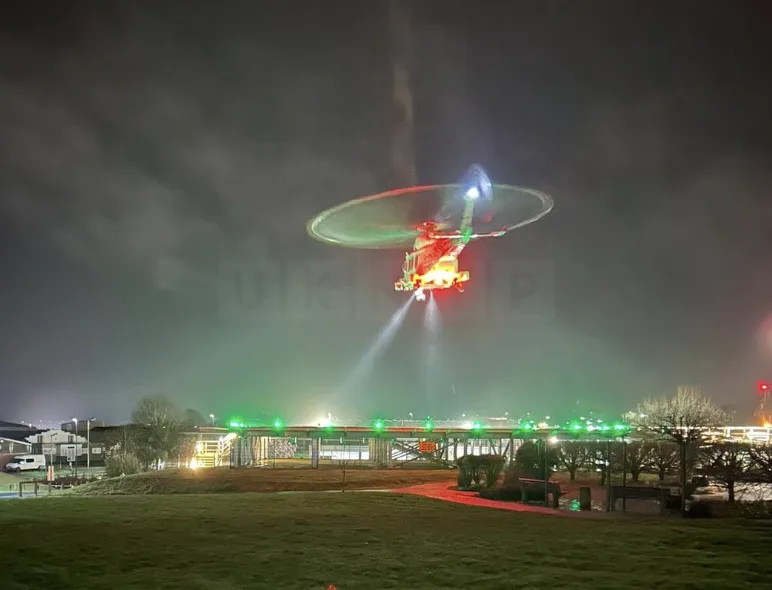
A frantic night search got underway off the Kent coast after a personal locator beacon (PLB) sent out an SOS signal near Deal and Broadstairs. Lifeboat crews and a coastguard helicopter scrambled into action shortly before 10 PM to hunt down the source of the distress call.
High Stakes, High Seas Search
The coastguard helicopter initially scanned a huge 50-mile radius. As the search tightened, crews zeroed in on a 5-mile stretch. The Royal National Lifeboat Institution (RNLI) led a stepped shoreline sweep from Sandown Castle near Deal to North Foreland and back.
The beacon was finally found ashore, bringing the tense operation to a close just after 12:30 AM.
“Due to it being a new crescent moon, the night was very dark, so the search was carried out using radar, searchlights, and the VHF direction finder in the calm sea,” a coastguard spokesperson explained.
“A coastguard helicopter was launched to aid the search, alongside mobile teams, as it was uncertain whether the beacon had been activated in the sea or on land.”
Tired But Triumphant Volunteers
The RNLI’s Diamond Jubilee lifeboat crew had already endured a marathon day with a training exercise that wrapped up at 8 PM. After hours more battling the night for this emergency, they finally returned home worn out but relieved.
“The volunteer crew of the Diamond Jubilee were glad to return home as it had been a long day,” said an RNLI representative.
PLBs: Lifesavers or False Alarms?
Personal locator beacons are tiny gadgets that blast out personalised distress alerts to rescue teams. They’re vital for emergencies both ashore and offshore — especially where phone signals falter. Authorities haven’t confirmed if last night’s SOS was a false alert or real danger. Thankfully, no injuries were reported.
Coastguard Warning: Use PLBs Responsibly
Coastguard teams stress the importance of only activating PLBs in true emergencies. False alarms waste precious time and resources.
For emergencies at sea, always dial 999 or use a VHF radio on channel 16 to contact the UK Coastguard.