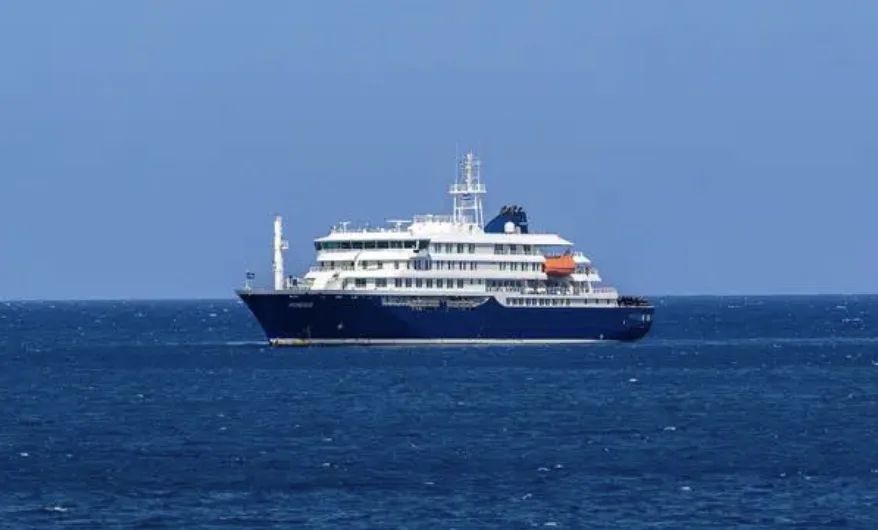
A frantic search is ongoing for a missing British passenger who vanished after disembarking the MV Hondius cruise ship, currently at the centre of a hantavirus outbreak. The vessel, stranded off the coast of Cape Verde, has been linked to multiple infections and deaths of passengers from several countries, including the UK.
The outbreak has triggered global health alarms due to the virus’s rare ability to spread between humans.
Missing Passenger Traced
Health authorities confirmed seven British nationals left the cruise ship on April 24 at St Helena. Two have since returned to the UK and are self-isolating, while four remain on the island.
The whereabouts of the seventh British individual remain unknown as officials launch an urgent manhunt amid concerns of international virus transmission.
Stewardess Falls Ill
A flight stewardess is suspected to have contracted hantavirus after contact with an infected Dutch woman trying to board a flight from South Africa. The Dutch passenger, aged 69, died the day after attempting to fly home.
This raises fears of the virus spreading beyond the cruise passengers who were directly exposed on the ship.
Outbreak Origins And Spread
The deadly Andes strain of hantavirus, known for causing hantavirus pulmonary syndrome, likely originated from a Dutch couple who contracted it during a birdwatching visit to a rubbish dump in Ushuaia, Argentina, before boarding the cruise. The virus spreads through contact with infected rodents and can also be passed between people through prolonged close contact.
The cruise ship had multiple confirmed cases and three deaths linked to the virus.
Evacuation Blocked
Efforts to evacuate the remaining 146 passengers have been delayed after Cape Verde authorities refused the MV Hondius permission to dock.
Meanwhile, the ship is en route to the Canary Islands but has sparked public opposition over fears of community contamination. The World Health Organisation (WHO) continues monitoring contacts globally and tracking those who disembarked early without contact tracing.
Public Health Response
The WHO has classified the public health risk as low but warns more cases might emerge due to the virus’s long incubation period, which can extend up to six weeks. Experts are conducting contact tracing for passengers and others they interacted with, including flight contacts.
UK and international health agencies remain on alert, with some patients isolated and receiving treatment across Europe and Asia.