UK’s Victorian Weather Revealed After Massive Rainfall Rescue Effort
Thousands of volunteers have uncovered nearly 200 years of UK rainfall secrets. The University of Reading’s Rainfall Rescue project, launched in March 2020 during the pandemic, pulled in 16,000 keen helpers who transcribed over 5 million Met Office rainfall records in just 16 days.
From Darwin to Data: Rainfall Records Back to 1836
Thanks to this epic effort, the Met Office’s official UK rainfall archive now stretches back to 1836 – 26 years further than before. That’s the year Charles Darwin returned from his famous voyage on the Beagle, and just before Queen Victoria’s reign began.
“I am still blown away by the response this project got from the public. What I thought would take months was done in days,” said Professor Ed Hawkins, project lead and climate scientist at the University of Reading.
“These records give us a priceless snapshot of weather extremes across centuries, helping us understand flood risks and climate change better.”
Shocking Rainfall Records Unearthed
- 1855 now holds the title for UK’s driest year with only 786.5mm of rain
- May 2020 was the driest May for many regions until records pushed dry months back to May 1844
- November and December 1852 were among the wettest months ever, triggering the infamous Duke of Wellington Floods
- Observations come from a fascinating range of people including aristocrats like Lady Bayning, who lugged her rain gauge from Norfolk to London for society events
- Rain gauges were widespread, even next to Beatrix Potter’s Hilltop Farm in the Lake District
Bringing Paper Records Into The Digital Age
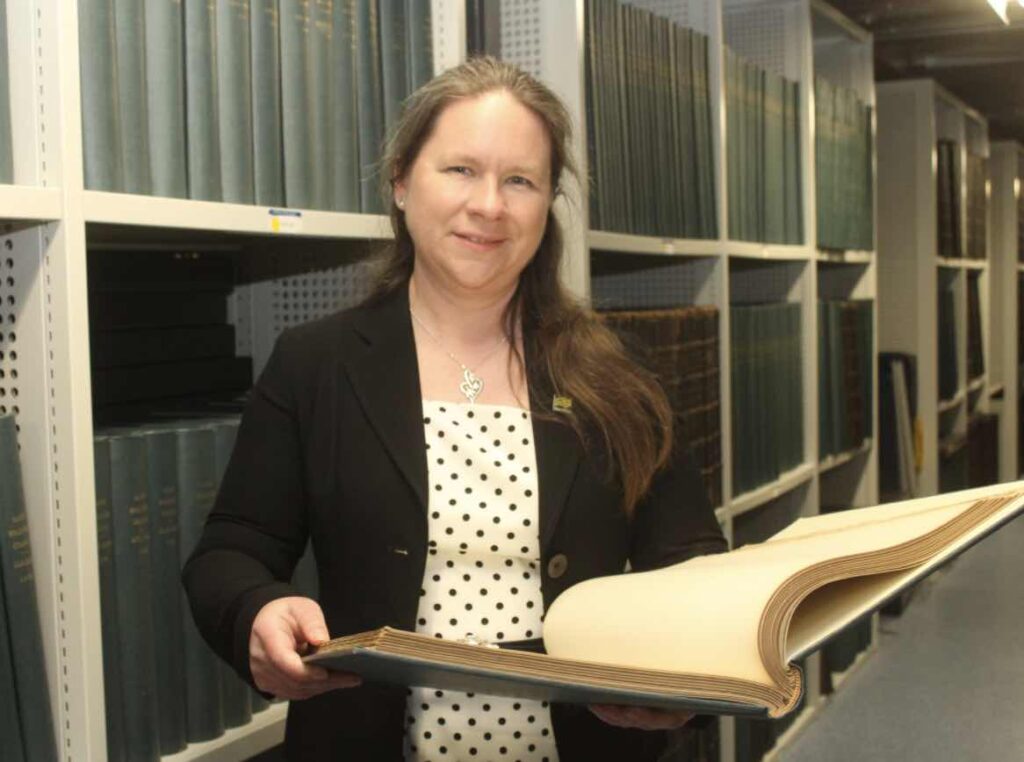
These rainfall records were originally written by hand on 65,000 pages covering 1677 to 1960. The majority, especially pre-1960, had never been digitised until now. Volunteers tackled ornate handwriting requiring about 100 million keystrokes.
The Met Office’s archive, previously starting in 1862 with 19 rain gauges, now boasts data from over 700 gauges for that year alone – massively boosting the scope of UK climate records.
Dr Mark McCarthy of the Met Office said: “Every stroke of the pen from the past helps us illuminate weather extremes and better prepare for climate risks.”
A New Life for Old Numbers
After transcription, eight volunteers helped organise the data chronologically and are credited as co-authors on a new scientific paper in the Geoscience Data Journal. Some 3.3 million records have been added to the Met Office’s public database, enhancing climate research worldwide.
Dr Catherine Ross, Met Office archivist, said: “The project transformed dusty archives into living data that scientists everywhere can use.”
Jacqui Huntley, a volunteer from Scotland, shared: “I’m a weather fanatic, especially when it rains as much as it does here! It’s been amazing to uncover the stories of past observers and play a part in this team effort.”
The Rainfall Rescue project is a remarkable example of public science turning historic weather logs into a powerful resource for understanding the UK’s ever-changing climate.