Russia Scrambles Fighter Jets to Intercept US Bombers Near Arctic Border
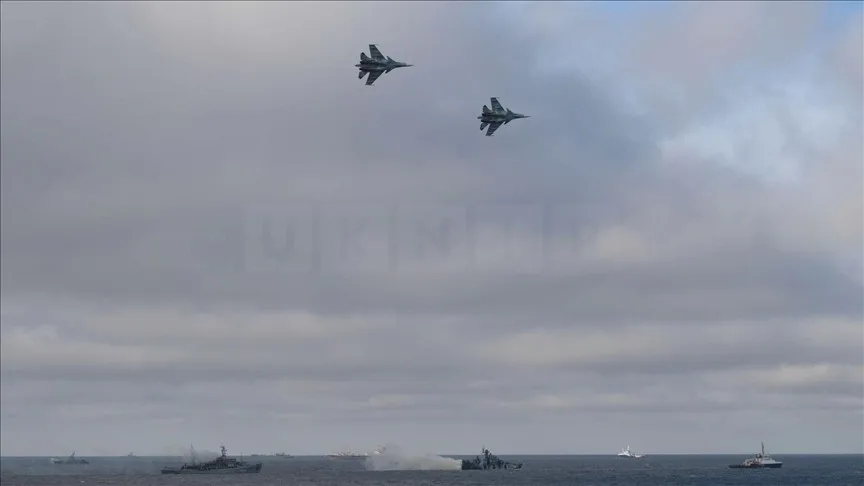
Russian forces announced on Sunday they intercepted two US strategic bombers approaching their border over the Barents Sea. The Russian Defence Ministry said its airspace control detected the aircraft, prompting a MiG-31 fighter to intercept and escort them away.
“The Russian fighter crew identified the aerial target as a pair of US Air Force B-1B strategic bombers,” the ministry confirmed.
Bombers Change Course and Pull Back
As the MiG-31 closed in, the US bombers reportedly shifted their flight path and retreated to their home base without further incident. Moscow stressed no Russian airspace was breached.
The ministry also highlighted that Russia’s fighter jet followed strict international rules over neutral waters, ensuring all safety protocols were observed.
Arctic Tensions Flare Amid Ongoing Military Manoeuvres
This incident underscores the growing friction between Russia and the US in the Arctic — a key strategic zone where both powers maintain a strong military presence. The Barents Sea continues to be a hotspot for NATO-Russia confrontations.
So far, US authorities have declined to comment on the episode. But experts note this latest event fits a pattern of recent “cat and mouse” military encounters in the region.
Background: B-1B Bombers vs MiG-31 Interceptors
- B-1B Lancer: America’s long-range, multi-mission bomber, capable of carrying the heaviest arsenal in the US Air Force, both guided and unguided.
- MiG-31: A supersonic Russian interceptor from the 1980s, designed to hunt and destroy enemy aircraft at high altitudes in all weather conditions.
Global Watchers Keep Close Eye on Arctic Skirmishes
International observers are closely monitoring such intercepts due to their potential impact on global security. Both Russia and the US treat these maneuvers as routine, but each incident risks escalating tensions if communication breaks down.
The Takeaway
Sunday’s encounter ended without airspace violations or conflict. Still, it serves as a stark reminder of the fragile balance in Arctic skies, pushing the urgent need for clear communication and strict adherence to international air rules to avoid future crises.